
Vandaag of morgen in huis

Kwaliteit gegarandeerd

Welkomstaanbiedingen ontgrendelen: GRATIS bezorging | Tot 80% korting | Gratis 30 dagen JoyPlus-proefperiode
Download de app
A dishwasher saves time, but only if you use the right supplies and settings. Many households automatically buy the cheapest dishwasher tablets, fill the reservoir incorrectly, or focus mainly on the number of programmes when choosing a new machine. This can lead to dull glasses, wet plastic containers, limescale build-up and unnecessarily high running costs.
In this guide from the Joybuy Product Recommendation Officer, you’ll discover what to look for when choosing dishwasher essentials, maintenance products and a compact freestanding dishwasher.
All-in-one dishwasher tablets often contain ingredients for cleaning, water softening and rinsing, according to the product description. However, with hard water, extra dishwasher salt may still be needed. So check the water hardness in your area and your machine’s manual.
What’s more, a tablet doesn’t always replace a good maintenance routine. Filters, spray arms and door seals still need regular cleaning.
A low noise level is pleasant in an open-plan kitchen, but you should also consider the width, capacity and programmes. A 45 cm dishwasher fits in smaller kitchens, but typically offers less room for crockery than a 60 cm model. Also check the niche dimensions, water connection and space for the door to open.
Terms like “powerful cleaning” or “brilliant shine” often come from the brand’s own marketing materials. According to a brand’s own research, such claims should not automatically be taken as established results. So look for verifiable information such as:
Dishwasher tablets are easy to dose. A pack of 90 tablets, such as At Home Clean Dishwasher Tablets - All in 1 90 Tabs, is practical for households that run the machine frequently. The product description mentions an all-in-one formula for grease, stubborn stains and dried-on food. Use one tablet according to the instructions on the pack and store them in a dry place.
Powder or liquid dishwasher detergent can be handy when you want to adjust the dose for a small or lightly soiled load. Overdosing doesn’t automatically improve the result and only increases product consumption.
Dishwasher salt is intended for the machine’s water softening system and is not the same as table salt. G’Woon Salt For Dishwasher contains, according to the product specification, 2 kg of salt with 99.9% sodium chloride. Fill the reservoir according to the manual and set the water hardness correctly. A setting that’s too low can cause limescale; one that’s too high uses unnecessary amounts of salt.
A rinse aid helps water run off crockery more quickly. This can be particularly noticeable on glasses and plastic items. Finish Dishwasher Rinse Aids 400 ml is, according to the product information, good for up to 80 washes. The correct dosage varies by machine. If you see streaks or a greasy film, first check the setting rather than automatically adding more product.
A dishwasher cleaner is designed to tackle grease, odour and limescale residues in the filter, spray arms and pipes. Sun Dishwasher Cleaner InWash contains four doses. The product instructions advise using it on a normal programme and recommend monthly cleaning as a guideline. Also check the filter by hand regularly; a cleaner doesn’t replace that step.
Don’t just measure the width. Also check the height, depth, door swing and the position of the connections. A 45 cm wide machine with 10 place settings may suit a small household, but a family could quickly find the loading space limited.
A difference of just a few decibels can be noticeable in a quiet home. The Bosch SPS4HKW49E has, according to the product specification, a noise level of 44 dB. The Bosch SPS4EMI17E also states 44 dB(A), while the Whirlpool WSFO3O23PF lists 43 dB. Always compare these values using the same measurement method and also consider the programme duration.
An energy-efficient dishwasher isn’t just about the energy class. Also look at the consumption per 100 cycles and the water consumption per cycle. The Bosch SPS4EMI17E has energy class B, a stated consumption of 51 kWh per 100 cycles and 8.7 litres of water per cycle. The Whirlpool WSFO3O23PF lists 76 kWh per 100 cycles. Actual costs depend on the programme selected, the load and your energy tariff.
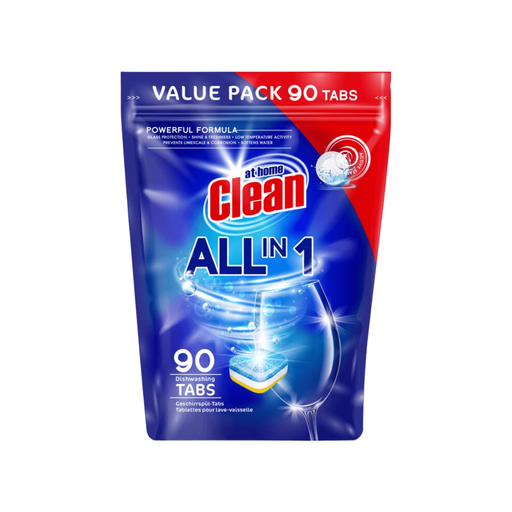
Why this fits the profile: The pack of 90 tabs is practical for regular use and reduces how often you need to buy more.
The dosage per tablet is straightforward. However, check separately whether your water hardness requires extra salt.
90 tablets; all-in-one variant; designed for grease, stains and dried-on food according to the product description.

Why this fits the profile: This compact machine combines 45 cm width with 10 place settings, app control and multiple programmes.
The relevant consumption figures and dimensions are clearly stated, so you don’t have to choose based on features or marketing terms alone.
Energy class B; 51 kWh per 100 cycles; 8.7 litres of water per cycle; 44 dB(A); AquaStop.
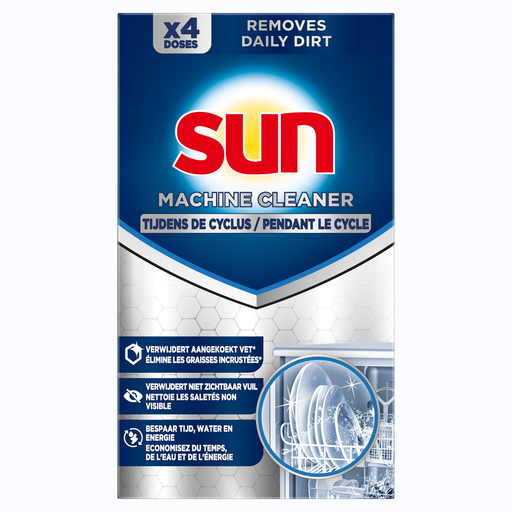
Why this fits the profile: A household that uses the dishwasher frequently can schedule maintenance doses easily.
Regular maintenance prevents you from simply using more detergent when the machine seems to be cleaning less effectively.
Four doses; product description mentions descaling and degreasing; suitable for use as per the packaging.
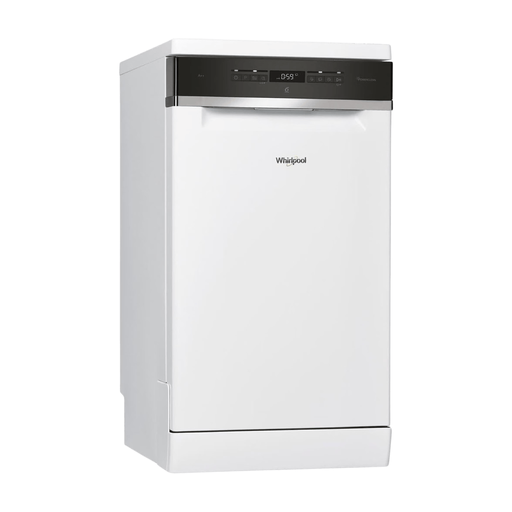
Why this fits the profile: The machine is 45 cm wide, offers 10 place settings and has a stated noise level of 43 dB.
The choice is based on width, capacity and noise level rather than just the number of programmes.
45 cm wide; 10 place settings; 7 programmes; sensor programme; 43 dB; water protection.
We’ve put together a full, up-to-date list of products that fully meet these strict selection criteria and comply with current European safety regulations.
Also pay attention to the material of your crockery. Wood, aluminium, copper, delicate crystal and some types of plastic are not always dishwasher-safe. Check the marking or instruction manual.
That depends on the water hardness and your machine’s settings. With very hard water, extra salt may be needed, even if the tablet already contains salt components. Follow the manual and check the recommendation on the packaging.
The product information for Sun Dishwasher Cleaner recommends monthly use as a guideline. The right frequency depends on how often you wash, the water hardness and any odour or grease residues. Also clean the filter separately.
Calculate this using the programme’s energy consumption, the current electricity price, water consumption and the cost of tablets, salt and rinse aid. An Eco programme may take longer, but according to the product specifications it can use less water and energy than an intensive programme. So look at the consumption per 100 cycles rather than just the programme duration.
