What should you consider?
Start with your kitchen space and installation type: standard, XXL and slimline models differ mainly in usable capacity and the size of the niche they need.
Standard model, around 60 cm
Choose this if: you regularly have a full load of dishes and have room for a standard-width model. Choose built-in for a matching kitchen front, or freestanding for a standalone setup.
Bear in mind: place settings are based on standard crockery. The Consumentenbond says standard models usually accommodate 12 to 16 place settings; measure your own plates and serving dishes too.
XXL built-in dishwasher
Choose this if: tall plates, serving dishes or glasses are difficult to fit and your kitchen can accommodate a higher niche.
Bear in mind: according to the Consumentenbond, extra interior height doesn’t automatically mean more place settings. Check the niche, front and plinth measurements.
Slimline model, around 45 cm
Choose this if: a standard-width model won’t fit in your kitchen or you usually have a smaller daily load.
Bear in mind: typical capacity is around 9 to 10 place settings, so a large feast may take more than one cycle. The Consumentenbond reports that slimline models perform less well on average for washing and drying than standard models; this doesn’t apply to every individual model.
| What to consider |
What to look for |
Who it matters to |
| Capacity for dishes after entertaining |
Compare the number of place settings with the space available for your own crockery; according to the Consumentenbond, place settings are based on standard crockery. |
After a meal with lots of guests, I’d like to fit the plates, glasses and cutlery into one load if possible. Around 28% of consumers prioritise having enough capacity for dishes after entertaining. |
| Large plates and serving dishes |
Measure the diameter and height of your dishes and check the available space when loading; according to the Consumentenbond, XXL doesn’t automatically mean more place settings. |
I use large dinner plates or serving dishes and want to be sure they’ll fit between the racks. Around 22% of consumers prioritise a dishwasher that fits large crockery. |
| Finding the right fit |
Measure the width, height and depth; for built-in models, also check the niche, front and plinth. |
My kitchen space is limited, so I want to know which type of installation will fit before comparing models. Around 22% of consumers prioritise finding a dishwasher that fits their kitchen. |
| Programme duration |
Check the eco programme duration on the EU label and look at the other programmes for the exact model; the Consumentenbond notes that eco takes longer than automatic. |
If I need the crockery again that evening, the programme duration needs to fit my plans. Around 17% of consumers prioritise cycle time. |
| Energy use and noise |
Compare the kWh per 100 eco cycles, litres per eco cycle and noise in dB on the EU label; these figures relate to the eco programme. |
If I use the dishwasher regularly, I also want to know how much energy and water the eco programme uses and how noisy the appliance is. Around 11% of consumers prioritise energy use and noise. |
Dishwashers for a feast
This selection includes freestanding and integrated dishwashers for meals with family and friends. Compare the stated capacity and rack layout with your crockery, and check the niche and front for built-in models.
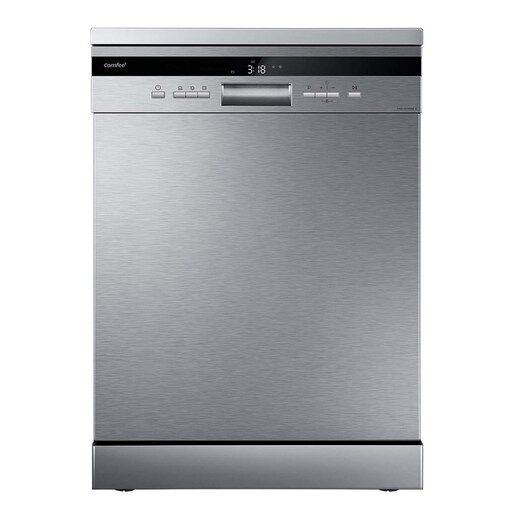 Image unavailable
COMFEE' FD1435E-X freestanding dishwasher
Suited to anyone looking for a freestanding model with room for a larger load after entertaining.
14 place settings; 44 dB; energy class D; adjustable upper rack; quick wash programme.
View at Joybuy
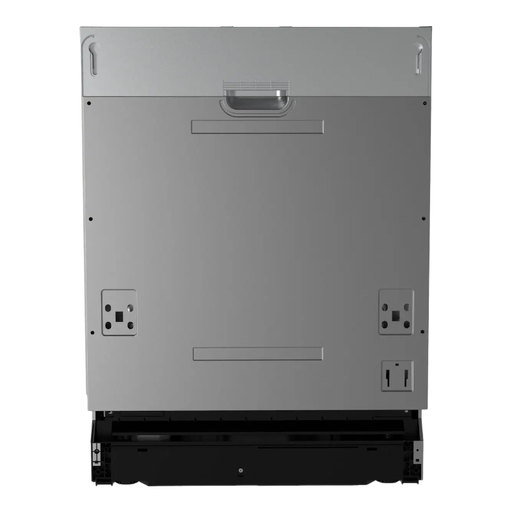 Image unavailable
Wiggo WD-B6126E integrated dishwasher, white
Suited to anyone looking for an integrated model with enough capacity for a meal with family and friends.
60 cm wide; 12 place settings; adjustable upper rack. Check the niche and kitchen front.
View at Joybuy
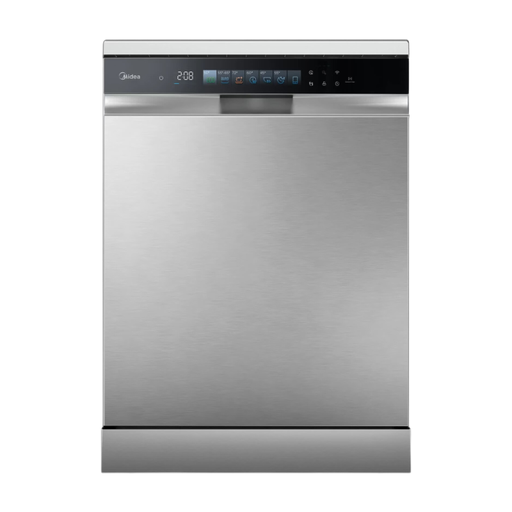 Image unavailable
Midea MDWEF1433GSS-W freestanding dishwasher
Suited to anyone looking for a freestanding model with room for several place settings.
14 place settings; three rack levels; adjustable upper rack; quick wash option.
View at Joybuy
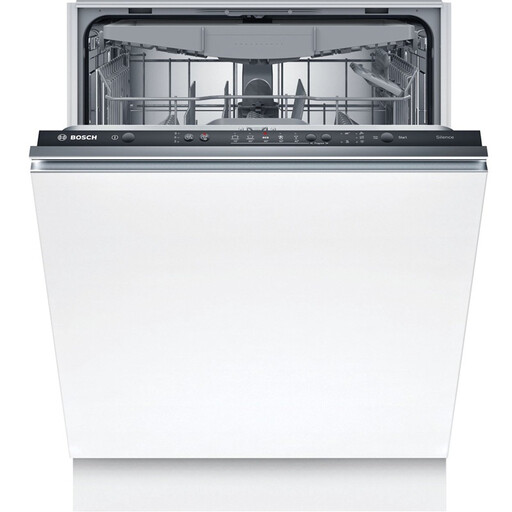 Image unavailable
Bosch SMV25EX02E integrated dishwasher
Suited to anyone looking for an integrated model with a stated capacity of 13 place settings.
60 cm wide; 13 place settings; 6 programmes; VarioSpeed; AquaStop. Check the niche and kitchen front.
View at Joybuy
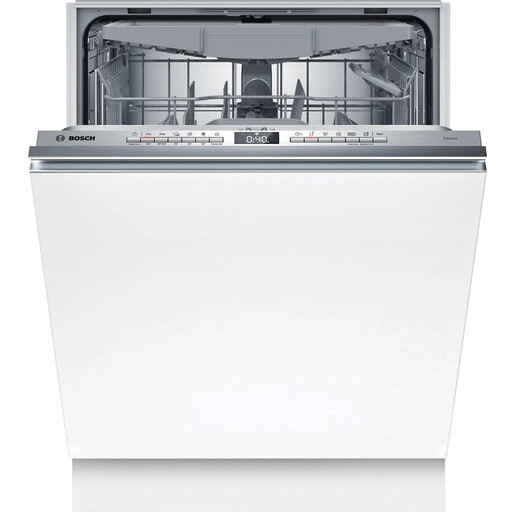 Image unavailable
Bosch SMV4HVX03E integrated dishwasher
Suited to anyone considering an integrated model with room for 13 place settings.
13 place settings; adjustable upper rack; third loading level; quick wash function. Check the niche and kitchen front.
View at Joybuy
Frequently asked questions
Is an XXL dishwasher better for entertaining more guests?
Not necessarily: XXL models mainly offer extra interior height for large plates, serving dishes or tall glasses. According to the Consumentenbond, that doesn’t automatically mean more place settings than a standard model, so check both the capacity and the space available for your own crockery.
Should I rinse dinner plates before loading them?
Scrape off large food scraps; according to the Consumentenbond, there’s usually no need to rinse dishes under the tap first. Choose a programme to suit how dirty the dishes are, and clean the filter according to the instructions.
What should I check before connecting the dishwasher?
Check the instruction manual, water supply, drainage and the required electrical connection. For built-in models, also measure the niche, door front and plinth; if you’re unsure about the water or electrical connection, ask a professional to check it.
Is there always exactly a two-year statutory guarantee in the Netherlands?
No, the Netherlands doesn’t have a fixed statutory guarantee period of exactly two years. According to the Dutch government, consumers are entitled to a product that works properly, and the retailer is the point of contact if it doesn’t; a manufacturer’s guarantee is separate.
What’s on the energy label of a new dishwasher?
The EU label for household dishwashers uses a scale from A to G and lists, among other things, energy use per 100 eco cycles, water use per eco cycle, capacity, noise and eco programme duration. These figures describe the eco programme and don’t measure the consumption of every other programme.


