
Vandaag of morgen in huis

Kwaliteit gegarandeerd

Welkomstaanbiedingen ontgrendelen: GRATIS bezorging | Tot 80% korting | Gratis 30 dagen JoyPlus-proefperiode
Download de app
Dishwashers regularly run at high temperatures, but that doesn’t mean they clean themselves completely. Grease, food residue and limescale can build up in the filters, spray arms, pipes and other hard-to-reach parts. A suitable dishwasher cleaner helps with regular maintenance, but only if you choose the right type and follow the instructions.
Dishwasher tablets are designed to clean crockery and cutlery during a full cycle. They aren’t automatically suitable for degreasing an empty machine or treating limescale in the pipes. Washing-up liquid isn’t a good substitute either: it can create a lot of foam and isn’t designed for use in a dishwasher.
A lemon fragrance may be pleasant, but it says little about whether the product is suitable for your appliance. It’s better to check:
Read brands’ claims about cleaning results as information from the manufacturer. For example, according to Finish’s product information, its machine cleaner has a dual-layer formula: one layer loosens grease while the other tackles limescale. This is a product specification, not a guarantee for every appliance or level of dirt.
With many bottles, you should remove only the protective sticker and leave the cap on. The bottle is then placed upside down in the lower rack or cutlery basket. Preparing it incorrectly may stop the product being released as intended. Always read the label first.
A 250 ml bottle is a common size for a one-off maintenance cycle. This makes it easy to compare products, but also check whether one bottle is intended for one cycle. A 250 ml dishwasher cleaner isn’t necessarily more concentrated or effective than a larger pack.
Check the manufacturer’s description. To degrease your dishwasher, you need a product that loosens grease residue. If you’re mainly concerned about white deposits, look for information on removing limescale from a dishwasher. Some products are described as tackling both, while others focus mainly on maintenance or fragrance.
A machine cleaner may specify a minimum temperature, such as 65 °C. Don’t use a short programme if the instructions recommend a normal or intensive programme. Also check whether you need to add dishwasher detergent. The products mentioned here should be used in an empty machine.
A cleaning cycle doesn’t replace regular maintenance. Clean the filter regularly and leave the door slightly open for a short time after use if your dishwasher’s manual says this is safe. This helps reduce lingering moisture and unpleasant odours.
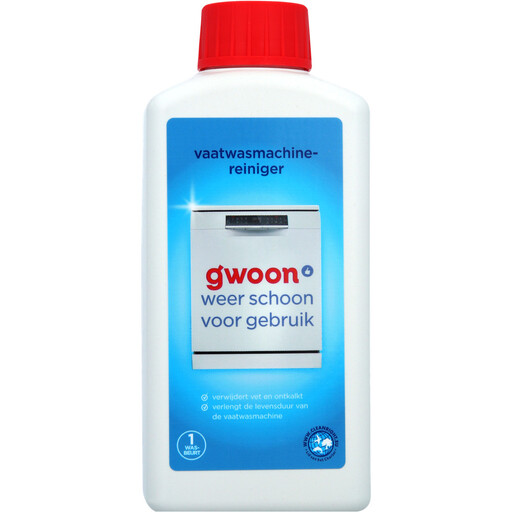
Why it suits this profile: The ready-to-use bottle is straightforward for anyone using a dishwasher cleaner for the first time. It contains 250 ml and, according to the instructions, one wash cycle is enough.
The instructions are clear: use an empty machine, select at least 65 °C and don’t add dishwasher detergent. This avoids unclear dosing and excessive foam.
Ready to use; product information says it removes grease and limescale; 250 ml for one cycle.
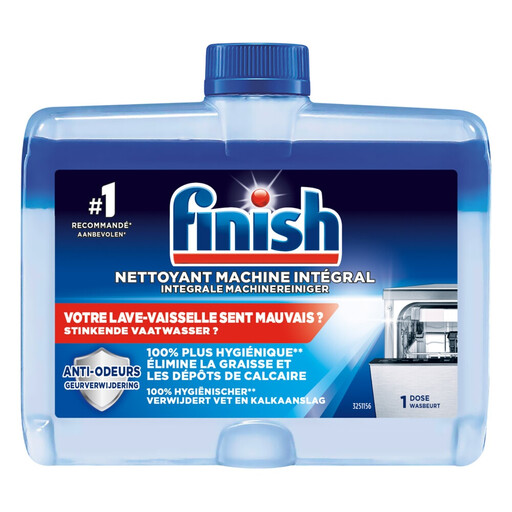
Why it suits this profile: Suitable for households that want to tackle grease and limescale in one maintenance cycle and value clear instructions.
The instructions make it clear that you should remove only the sticker, leave the cap on and run the empty machine at a minimum of 65 °C.
Dual-layer formula according to the product information; described as suitable for all dishwashers; one bottle per use.
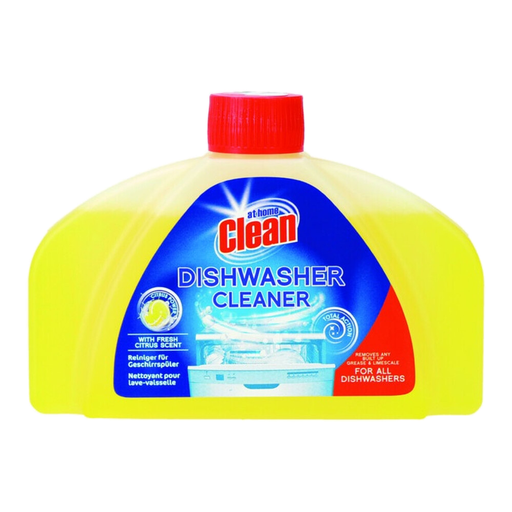
Why it suits this profile: A handy choice for users who value simple application and a lemon fragrance when cleaning their dishwasher regularly.
According to the product description, pour the bottle into an empty dishwasher and then start a programme. Always check the current packaging before use.
250 ml; lemon variant; the manufacturer lists an oxygen-active formula for tackling grease and limescale.
We’ve put together a complete, up-to-date list of products that meet these strict selection criteria and the applicable European safety requirements.
Check the hazard warnings on the packaging before use. According to their safety information, the cleaners mentioned may cause eye or skin irritation, or serious eye damage. Keep them out of reach of children, wash your hands after use and, if they get into your eyes, rinse carefully with water. Don’t mix different cleaning products, especially with chlorine or bleach products.
It depends on how often you use it, the water hardness and how dirty it looks. Frequent use or a noticeable smell may mean regular maintenance is needed. Follow the frequency stated on the label; Finish, for example, recommends using its machine cleaner once every three months.
Usually not. The products mentioned require an empty dishwasher. Crockery, cutlery and glassware should be removed during this maintenance cycle.
According to their product information, some products are designed to tackle both grease and limescale. Check the label to make sure. If deposits are stubborn, the filter, spray arms and dishwasher settings may also need attention.
