
Vandaag of morgen in huis

Kwaliteit gegarandeerd

Welkomstaanbiedingen ontgrendelen: GRATIS bezorging | Tot 80% korting | Gratis 30 dagen JoyPlus-proefperiode
Download de app
A good dish rack seems like a simple purchase, until your countertop is constantly wet, rust stains appear, or your favourite plates wobble precariously. A dish rack is a central kitchen organiser, but many models cause more frustration than convenience. Before you make a choice, it's helpful to know the common pitfalls that turn a practical tool into a source of annoyance.
The most common complaints aren't about aesthetics, but about functionality after a few months of use:
dish rack with a drainboard that doesn't drain water properly. The water stagnates, causing limescale buildup and an unhygienic environment, or the tray is too small and overflows.2-tier dish rack, poor construction can cause the rack to wobble as soon as you place heavier pots or plates on it.A smart choice depends on seeing through these problems. Let's look at the key features you should pay attention to.
A functional dish rack is tailored to your kitchen and your habits. Focus on the following three points to find a model that does its job without causing extra headaches.
The choice of material determines durability and maintenance.
designer dish rack. The weak spot is the coating. As soon as it gets damaged by contact with cutlery or sharp edges, the underlying metal can start to rust.How many dishes do you wash by hand daily? Capacity is crucial.
countertop dish rack.dish rack has special slots for plates, a flat section for cups, and a separate dish rack with a cutlery holder. This ensures organised and efficient drying.The drainboard is perhaps the most important component for keeping your countertop dry and clean.
Based on these practical criteria, we have selected a few popular choices that suit different households and kitchens.
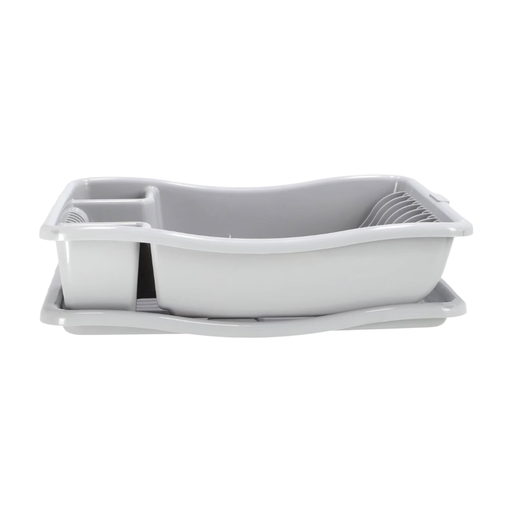
Why This Fits Their Persona: Ideal for students, single-person households, or kitchens with limited counter space. Its compact size offers enough room for daily dishes without taking up unnecessary space.
Made entirely of plastic, so the rust trap doesn't apply here. The included drainboard catches all water and prevents a wet countertop.
Holds up to 12 plates and has two built-in cutlery holders. The rack is stackable, allowing for compact storage when not in use.
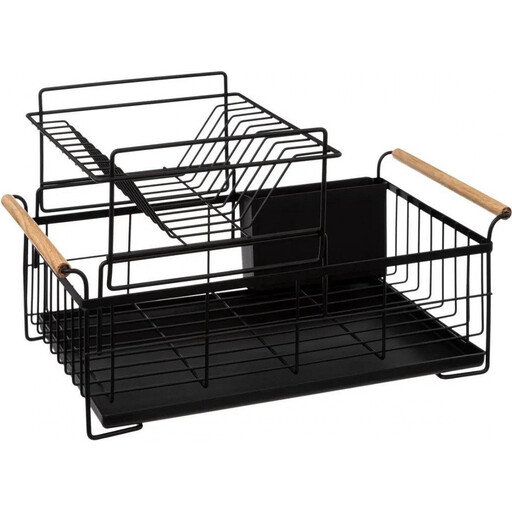
Why This Fits Their Persona: Perfect for families or anyone who washes a lot of dishes by hand. This 2-tier dish rack maximises capacity without taking over your entire countertop.
The steel frame provides a stable base, avoiding the instability trap common in many 2-tier racks. The polypropylene drainboard is robust and catches all water.
Holds 9 plates, 15 glasses, and has a separate cutlery holder. The combination of black metal and wood details gives it a modern look.
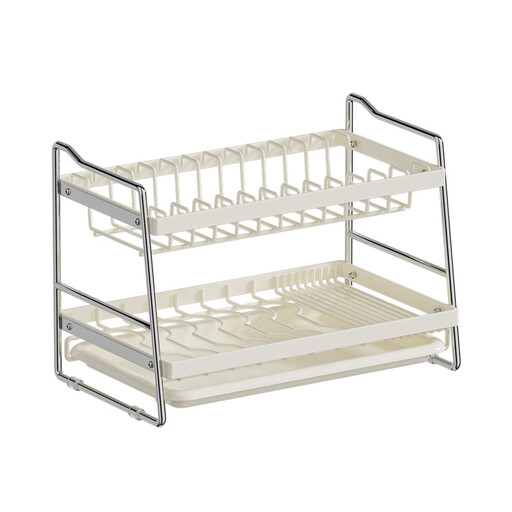
Why This Fits Their Persona: For those who want to combine functionality with a modern design. This rack is a kitchen organiser that deserves to be seen, while offering high capacity on a small footprint.
The integrated drainage system with drainboards directs water away immediately, preventing standing water and limescale buildup. The sturdy structure ensures stability.
The 2-tier design maximises vertical space. It's a self-contained unit not attached to the sink, allowing for flexible placement.
We have compiled a complete, up-to-date list of products that meet these strict selection criteria and practical requirements.
Dry the rack regularly, especially in areas where water can pool. Periodically check the coating for damage. If you find a scratch, you can sometimes treat it with a rust-resistant sealant to prevent further corrosion. However, the easiest way to avoid rust is to choose a rack made of high-quality stainless steel or plastic.
Empty the drainboard daily to prevent the buildup of limescale and bacteria. Clean both the rack and the tray at least once a week with a solution of warm water and dish soap. Rinse well and dry everything before reassembling. This will keep your dish rack hygienic and extend its lifespan.
Stability largely depends on the construction. Look for models with a wide and sturdy frame, preferably made of metal. Distribute the weight evenly: place heavier items like pans and large plates on the bottom tier and lighter items like cups and glasses on the top tier. This lowers the centre of gravity and increases stability.
