
Vandaag of morgen in huis

Kwaliteit gegarandeerd

Welkomstaanbiedingen ontgrendelen: GRATIS bezorging | Tot 80% korting | Gratis 30 dagen JoyPlus-proefperiode
Download de app
A dish rack may seem like a simple kitchen accessory, but you’ll soon notice if you choose the wrong one. Water can pool on the worktop, plates may topple over or the rack may take up more space than you expected. Every centimetre counts, especially in a small kitchen, student accommodation, caravan or campsite kitchen.
So don’t just consider the colour and price. Pay particular attention to drainage, dimensions, load capacity and layout. Read on to find out which pitfalls to watch out for and which models suit different needs.
A kitchen dish rack may offer plenty of space, but without a drip tray or drainage system, water will collect under the dishes. This can leave the worktop wet and mean more frequent cleaning. A dish rack with a drip tray is a practical choice if it won’t sit directly above the sink.
Some models have a drainage plug or channel. These only work well if the rack is stable and the water can drain to a suitable place. So check where the outlet is before buying a model.
A small rack doesn’t automatically save space. If plates, glasses and cutlery are all jumbled together, you won’t make the best use of the surface. A separate plate rack, cutlery holder or glass holder makes it easier to keep everything organised.
For households with several people, a two-tier dish rack may be a better choice than a wide model. It makes better use of vertical space, but you’ll need to check that it’s stable enough and will fit beneath your kitchen cupboards.
A plastic dish rack is lightweight and easy to move, which is handy in a caravan or at a campsite. Steel can feel sturdy, but check the finish and keep the surface dry if the product information recommends this.
A stainless steel dish rack is different from a chrome-plated steel rack. According to the product information, the MAXCOOK model is made from 304 stainless steel. The 5five model, according to its specifications, is made from powder-coated chrome-plated steel. These are different materials and shouldn’t be treated as the same.
First, measure the available space beside or above the sink. Check:
A rectangular model measuring around 29 by 39 centimetres will often fit beside a standard sink, but how useful it is will depend on its layout. A two-tier dish rack takes up more height, but can make better use of the available width.
A worktop dish rack should drain water in a controlled way. Possible solutions include:
If your rack has a drip tray, you’ll need to empty and clean it regularly. If the rack sits over the sink, measure the sink’s width. According to the product information, the extendable MAXCOOK model adjusts from 29 to 44 centimetres and is designed to sit over the sink.
A cutlery holder stops knives and forks from ending up between plates. Place sharp items with the points facing down and make sure the rack is on a flat, stable surface. When assembling it, check that all the parts are secure.
According to the product information for the models mentioned, regular cleaning with warm water, mild soap or a damp cloth is suitable for the materials used. Don’t use harsh cleaning products without checking the care instructions first.
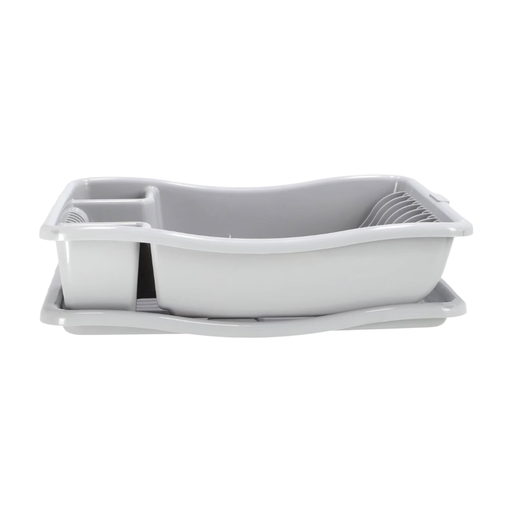
Why it suits this type of buyer: This compact plastic dish rack is ideal for everyday use in a smaller kitchen, student room or caravan. Its dimensions are clearly stated, and it holds up to 12 plates.
The included drip tray catches the water. Two built-in cutlery compartments and separate spaces for small and large plates help keep everything neatly organised.
Plastic construction, compact size, capacity for up to 12 plates and a stackable design, according to the product information.

Why it suits this type of buyer: This model is a good choice if material and direct drainage are high on your list. It’s designed to sit over the sink and can be adjusted in length.
According to the product description, the raised mesh lets water drain straight into the sink, so there’s no need for a separate drip tray on the worktop.
According to the product information: 304 stainless steel, an adjustable length of 29 to 44 cm, and multifunctional use as a dish rack and colander.
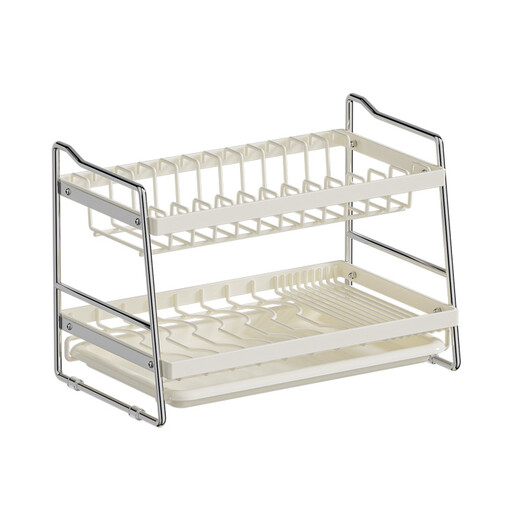
Why it suits this type of buyer: This freestanding, two-tier dish rack is designed for households that want to dry several types of dishes at once without needing extra-wide worktop space.
The two tiers let you organise plates, glasses and kitchen utensils vertically. According to the product description, the integrated drainboards help direct water towards a suitable outlet.
Dimensions of approximately 40 x 23.6 x 28.7 cm, two drying tiers and a freestanding design, according to the product specifications.
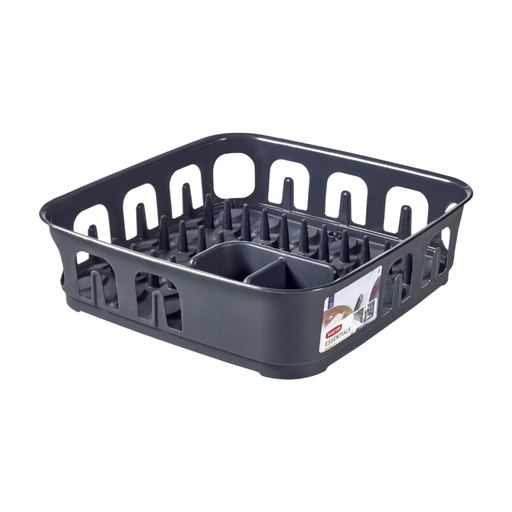
Why it suits this type of buyer: Its square shape and compact footprint make it a practical choice for a worktop beside the sink. The design accommodates plates, cups and cutlery in one rack.
An integrated cutlery holder and external hooks for cups keep different types of dishes separate. The drainage plug is designed to let excess water run away.
According to the product information, it holds up to 12 plates and includes a cutlery holder, cup hooks and a built-in drainage plug.
We’ve put together a full, up-to-date list of products that meet these strict selection criteria and the applicable European safety regulations.
First, remove the dishes and any loose parts. Wash a plastic dish rack with warm water and mild soap. According to the product information, you can often clean a metal model with a damp cloth. Clean the drip tray, drainage plug and cutlery holder too, as water and food residue can collect there.
Yes, especially if the rack sits on the worktop and can’t be placed directly over the sink. The drip tray catches the water, but needs to be emptied and cleaned regularly. An extendable dish rack over the sink is an alternative if you want the water to drain straight into it.
How long it lasts depends on the material, load, exposure to moisture and maintenance. Check regularly for cracks, bent parts or a peeling finish. Keep within the stated capacity and replace the rack if it’s no longer stable.
