
Vandaag of morgen in huis

Kwaliteit gegarandeerd

Welkomstaanbiedingen ontgrendelen: GRATIS bezorging | Tot 80% korting | Gratis 30 dagen JoyPlus-proefperiode
Download de app
A good dish rack is an essential in any kitchen. Yet, the purchase often leads to frustration: a rack that rusts after a few months, a constantly wet countertop, or plates that fall out. As a Joybuy Product Recommendation Officer, I see where things go wrong every day. Many models look practical at first glance but have hidden flaws. Before you make a choice, it's wise to be aware of the most common pitfalls.
It's easy to make the wrong choice. Let's therefore look at the specifications that truly matter, so you can choose a dish rack that actually makes your kitchen more organised.
To make the right choice, it's helpful to assess three core aspects: the material, the capacity, and the way water is drained.
The choice of material determines not only the look but also the durability and maintenance of your dish drying rack.
The size of your household and the amount of dishes you wash by hand daily determine the required capacity.
A wet countertop is one of the biggest annoyances. A good dish rack with a drip tray is therefore essential. There are two systems:
Based on objective product specifications, we have selected a number of models that suit different households.
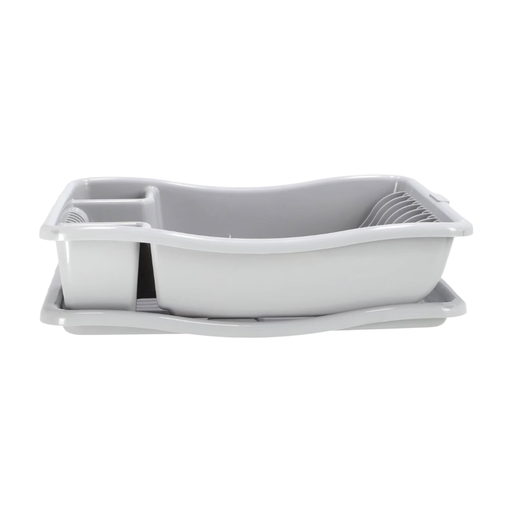
Why This Fits Their Persona: Ideal for a small kitchen, studio, or one- to two-person household. This compact dish rack has a small footprint but still offers an organised place for daily dishes.
The included drip tray catches all the water, keeping your countertop dry and avoiding the pitfall of a constant puddle.
Compact size (38x29 cm) with space for 12 plates and two separate cutlery holders. Made of durable and easy-to-clean plastic.
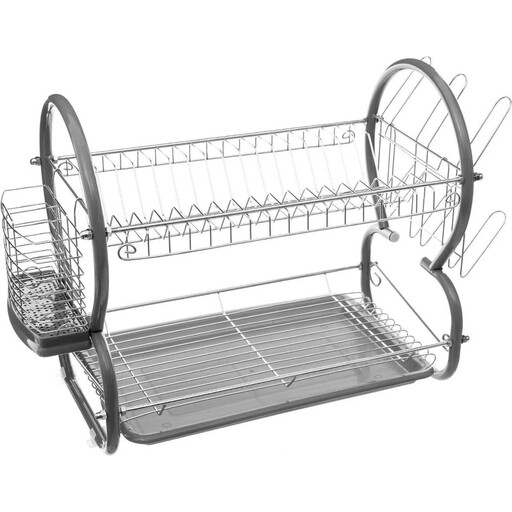
Why This Fits Their Persona: For families with a lot of dishes, capacity is crucial. This two-tier dish rack offers plenty of space without taking over the entire countertop.
The sturdy two-level metal frame ensures a stable construction, avoiding the pitfall of an unstable and overloaded rack.
Large capacity for 17 plates, with separate holders for glasses and a detached cutlery basket. The powder coating on the steel offers extra protection.

Why This Fits Their Persona: For those who want to combine functionality with a sleek, minimalist look. This stainless steel dish rack fits perfectly in a modern kitchen and is built for durability.
Made of stainless steel, this rack tackles the pitfall of rust formation. The removable PP drip tray is easy to clean, which prevents standing water.
Integrated design that requires no assembly. It has an efficient drainage system and logically arranged compartments for plates, bowls, and cutlery.
Didn't find what you were looking for? We've compiled a complete, up-to-date list of products that meet these strict selection criteria.
To keep a stainless steel dish rack looking good, regular maintenance is important. Clean the rack weekly with a soft cloth, warm water, and a mild soap to remove soap residue and limescale. Dry it thoroughly afterwards. For stubborn stains, you can use a special stainless steel cleaner, but avoid abrasive sponges and harsh chemicals, as they can cause scratches.
This depends entirely on the material. Most plastic dish racks can be placed in the top rack of the dishwasher on a low-temperature setting. For stainless steel racks, this is generally not recommended. The high temperatures and aggressive dishwasher detergents can damage the coating or the material, which can actually lead to rust. Always check the manufacturer's instructions.
In practice, the terms are used interchangeably and mean the same thing: a rack where you let wet dishes dry. Sometimes 'dish drainer' is used specifically for a rack with a drip tray or drainage system, while 'dish rack' is a more general term. You can use both terms in your search for the right product.
