
Vandaag of morgen in huis

Kwaliteit gegarandeerd

Welkomstaanbiedingen ontgrendelen: GRATIS bezorging | Tot 80% korting | Gratis 30 dagen JoyPlus-proefperiode
Download de app
A wet countertop, white limescale buildup, and a wobbly rack that can't even hold your plates properly. Choosing a dish rack seems simple—until you realize your new purchase creates more problems than it solves. Many dish racks look great in the store but have design flaws that lead to frustration in daily use.
Before you make a decision, it's important to know the two most common pitfalls:
dish drainer without effective water drainage. Water pools in the drip tray, leading to limescale, mould, and a constantly damp countertop.A good dish rack keeps your countertop dry, is hygienic, and fits the dishes you use every day.
To avoid a bad purchase, you can focus on a few specific features. These determine how practical the rack will be in daily use.
The material determines the maintenance and lifespan of the rack. A plastic dish rack is often a practical choice. Plastic doesn't rust and is generally easy to clean. Pay attention to the quality of the plastic; sturdy, high-grade plastic is more durable and less prone to discolouration. Metal racks can look sleek, but models with a coating may start to rust over time in damaged areas.
A dish rack with a drip tray is the most common solution. The tray catches the water, which you discard later. The advantage is that you can place the rack anywhere on the countertop dish rack. The disadvantage is that you need to empty the tray regularly to prevent standing water.
An alternative is a dish rack with a direct drain. This type often has a spout or a built-in plug that channels water directly into the sink. This is a hygienic solution that prevents water from accumulating.
Measure the available space on your countertop before making a choice. If you have a small kitchen, a small dish rack or a compact, square model is a logical option.
Also, take a close look at the layout. A well-designed dish drainer with a cutlery holder keeps your knives, forks, and spoons organized and ensures they dry properly. Check if the slots for plates are wide and deep enough for your dinnerware. Some racks have separate compartments for large and small plates, or handy hooks on the outside for cups.
Based on functionality and design, we have selected a few popular choices that suit different households.
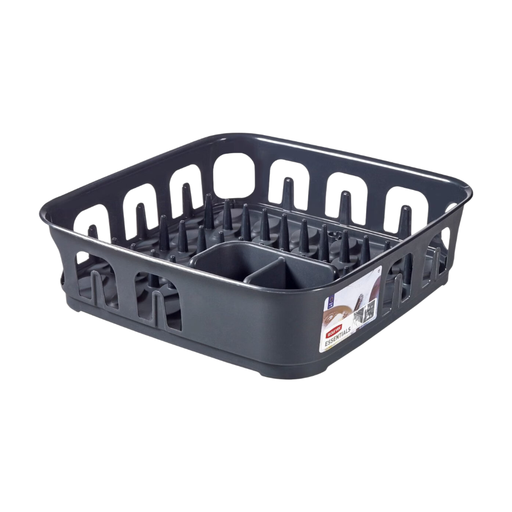
Why This Fits Their Persona: Ideal for dorm rooms or kitchens with limited counter space. The square shape of this small dish rack makes efficient use of the area next to the sink without getting in the way.
This rack tackles the 'Puddle Trap' with a built-in drain plug. Water flows away directly, keeping your countertop dry and preventing limescale buildup.
Compact size with room for 12 plates. External hooks for cups maximize the internal drying space.
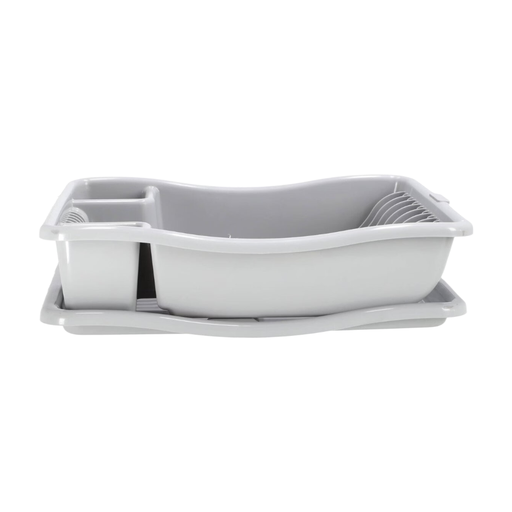
Why This Fits Their Persona: For households that regularly wash dishes by hand and need an organized solution. This Curver dish rack provides a clear structure for plates and cutlery.
The deep, separate drip tray catches all the water and prevents it from spilling onto the countertop. The two separate cutlery holders solve the 'Puzzle Trap' by keeping cutlery neatly organized.
Two built-in cutlery holders for better organization. Special slots for both large and small plates.
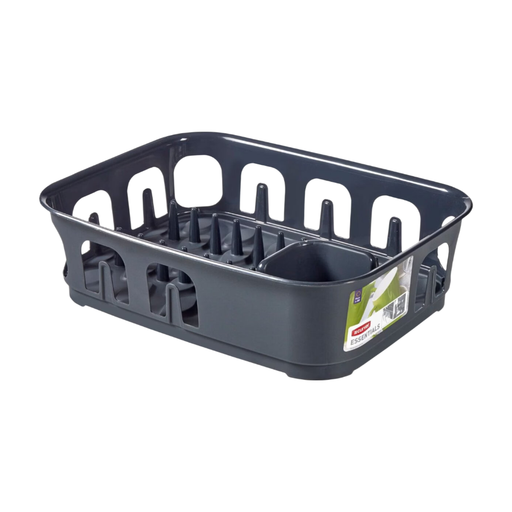
Why This Fits Their Persona: For those who hate extra steps. This rack is designed for maximum efficiency: just put the dishes in and the water problem solves itself.
The built-in drain plug is the most direct solution to the 'Puddle Trap'. Place the rack next to the sink, and the water drains automatically. No drip tray to empty.
Direct water drainage via the plug. External hooks for cups and an integrated cutlery holder for an efficient layout.
We've compiled a complete, up-to-date list of products that meet these strict selection criteria and comply with local regulations.
A plastic dish rack is easy to maintain. A weekly cleaning with warm, soapy water is usually enough to remove soap residue and dirt. For stubborn limescale, you can let the rack soak for a while in a solution of water and cleaning vinegar.
This depends on your kitchen layout and personal preference. A rack with a direct drain is very practical if it sits permanently next to the sink. It's a set-it-and-forget-it solution. A dish rack with a drip tray offers more flexibility; you can also place it on another part of the countertop. However, you will need to empty the tray manually.
Always measure the depth and width of the spot where you want to place the rack. Also, consider the height, especially if you have upper cabinets. The product dimensions are always listed. For very limited space, a small dish rack or even a foldable model is a good consideration.
