
Vandaag of morgen in huis

Kwaliteit gegarandeerd

Welkomstaanbiedingen ontgrendelen: GRATIS bezorging | Tot 80% korting | Gratis 30 dagen JoyPlus-proefperiode
Download de app
A good dish brush can be the difference between a quick, simple chore and a daily annoyance. A brush with bristles that go flat after a week, an awkward grip, or a model that constantly tips over—these are the small frustrations that make washing up unnecessarily tedious. The options are vast, ranging from a simple plastic brush to a sustainable bamboo version or a convenient dish brush with a soap dispenser.
This article serves as a practical guide. We'll highlight different types of dish brushes and provide specific recommendations based on their features and intended use, helping you make an informed choice that suits your kitchen and habits.
Before we dive into the products, here are a few key points to consider when choosing the right kitchen brush.
For those who value efficiency, a dish brush with a reservoir is a game-changer. This 2-in-1 design features a hollow handle that you fill with washing-up liquid. With the press of a button, soap is dispensed directly onto the brush or into the pan. This saves time and eliminates the hassle of handling a separate bottle of soap, making it a popular choice for quick, in-between washes.
Do you often wash large loads of dishes by hand? Then comfort is essential, not a luxury. An ergonomic dish brush is designed for a better grip and reduced strain on your hand and wrist. Look for handles with a soft, non-slip coating. A secure grip not only provides comfort but also offers more control and power when scrubbing stubborn, baked-on food from pans.
The choice of material affects both the brush's durability and its aesthetic.
sustainable dish brush option. A wooden dish brush is often sturdy and feels comfortable to hold. Proper maintenance, such as allowing it to dry after use, is crucial for hygiene and longevity.Based on functionality, material, and user-friendliness, we've rounded up some of the most interesting options for you.
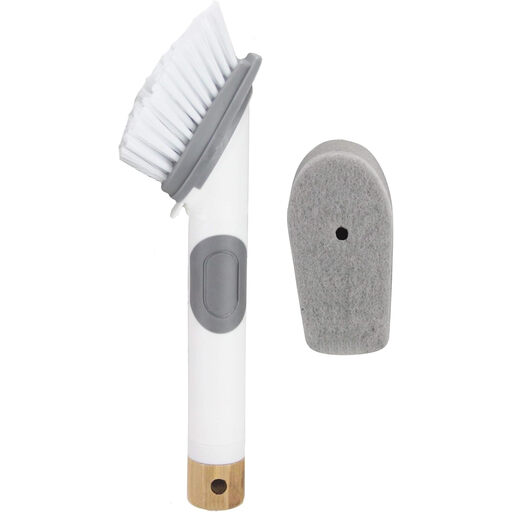
Why it stands out This brush from Alpina combines a modern design with the functionality of an integrated soap dispenser. The mix of materials—polypropylene, bamboo, and TPR (thermoplastic rubber)—is engineered for durability and ease of use.
Pros
Who is it for? Ideal for the convenience-seeker who wants an efficient and fast way to wash dishes without the hassle of a separate soap bottle.
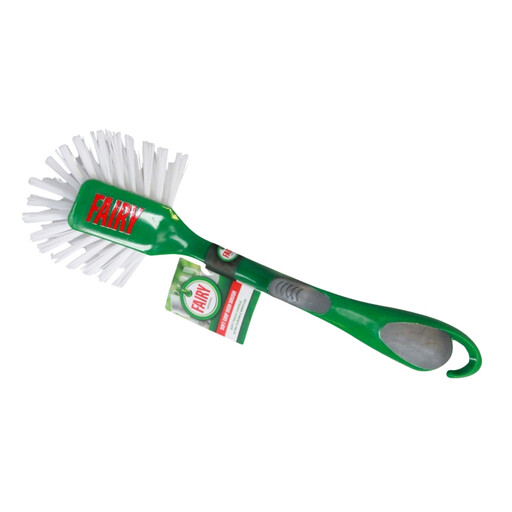
Why it stands out With this brush, Fairy focuses entirely on comfort and effectiveness. The soft, non-slip handle is its key feature, designed to reduce hand fatigue. The addition of a non-scratch scraper makes it extra functional.
Pros
Who is it for? Perfect for the comfort-conscious user who regularly washes by hand and values a good, firm grip to prevent fatigue.
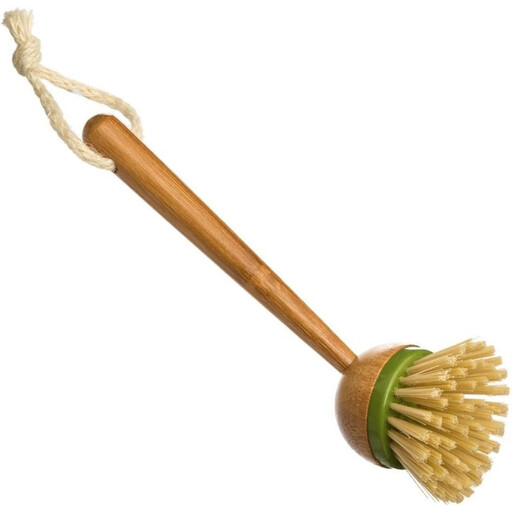
Why it stands out This bamboo dish brush from 5five is a choice for those who want to combine functionality with a natural aesthetic. The product is made from FSC-certified bamboo, making it a more responsible option. Its design is classic and functional.
Pros
Who is it for? Suitable for the eco-conscious consumer who prefers natural materials and is looking for a sustainable dish brush with a simple, effective design.
Haven't found the perfect match for your kitchen yet? Every household is different, and the ideal dish brush is a personal choice. For more models, materials, and features, you can browse our entire collection.
1. How do you clean a dish brush properly? Rinse the brush thoroughly with hot water after each use to remove food residue and soap. Tap out any excess water and let it air dry, preferably by hanging it or standing it with the bristles down to allow water to drain away. Some plastic brushes are dishwasher-safe, but always check the manufacturer's instructions first.
2. When should you replace a dish brush? Replace your dish brush as soon as the bristles become worn, bent, or flattened, as its cleaning power will be significantly reduced. It's also time for a new one if the brush is discoloured, retains an unpleasant odour after cleaning, or shows any signs of mould. Depending on use, this is typically every 1 to 3 months.
3. Is a wooden dish brush hygienic? Yes, a wooden dish brush can be just as hygienic as a plastic one, provided it is properly maintained. Wood, and bamboo in particular, has natural properties that can inhibit the growth of bacteria. The key is to allow the brush to dry completely after each use. A damp environment is a breeding ground for bacteria, regardless of the material.
