
Vandaag of morgen in huis

Kwaliteit gegarandeerd

Welkomstaanbiedingen ontgrendelen: GRATIS bezorging | Tot 80% korting | Gratis 30 dagen JoyPlus-proefperiode
Download de app
A new dinnerware set might seem simple to choose. Yet many purchases disappoint because of small details: plates that are too small for a proper meal, bowls that turn out not to be stackable, or material claims that say little about everyday use.
Three common pitfalls to watch out for:
“Suitable for all appliances” without clear limits
Microwave-safe dinnerware is not automatically suitable for the oven, induction hob or freezer. Always check per item what it is intended for. A plastic lid, for example, may have a different maximum temperature than the ceramic dish.
A beautiful set with impractical dimensions
A 16 cm plate is fine for bread, fruit or small portions, but less suitable as a main meal. For pasta, salad or oven dishes, a larger, deeper model is often more practical.
Care that doesn’t suit your household
“Easy to clean” doesn’t always mean everything is dishwasher-safe. With a set that includes glass lids, silicone seals or plastic parts, different care instructions may apply. So look at each item individually.
Porcelain and ceramic work well with a classic table setting. A porcelain dinner set usually has a smooth surface and is suitable for bowls, plates and small oven dishes. Do pay attention to the stated dimensions and to the instructions for oven, microwave, fridge and freezer.
Ceramic can be slightly heavier and is available in a wide range of shapes and finishes. A ceramic bowl set is practical for soup, pasta, breakfast or salads. Relief patterns and glaze can make the appearance appealing, but check whether the surface is suitable for daily cleaning according to the product information.
304 stainless steel is a practical choice for households where dinnerware needs to withstand knocks. Stainless steel plates are generally lightweight, break-resistant and easy to wash. However, they are not automatically suitable for the microwave. Some models are suitable for oven, steam oven or induction hob according to the product information, while others are intended solely for serving food.
A plate set of four pieces is handy for a household or as an addition to existing dinnerware. Look not only at the number, but also at:
A 50 cl bowl, for example, is suitable for breakfast, yoghurt or a small meal. A wide pasta bowl of around 8.5 inches offers more room for pasta, salad, soup or oven dishes. For portion sauces, desserts and preparation, ramekins with lids are interesting because you can cover and store prepared ingredients.
Look out for these terms:
According to the product information from the mentioned manufacturers, some porcelain and ceramic products have multiple uses. Always follow the instructions on the product page and on the product itself. Claims about durability, scratch resistance or heat behaviour come from the brand’s product information and should not be read as a guarantee for every usage situation.
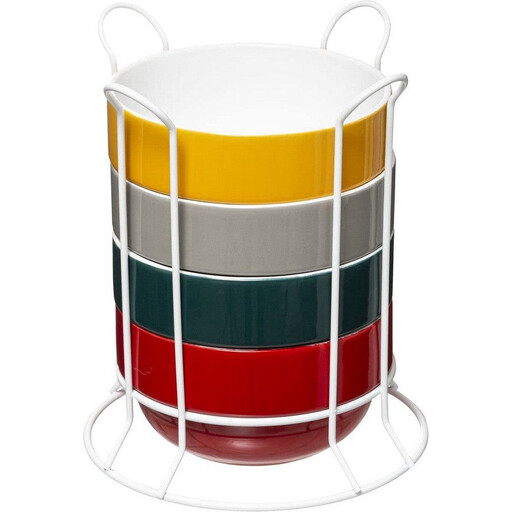
Why this fits the profile: A straightforward bowl set of four with a 50 cl capacity for breakfast, yoghurt, snacks or smaller portions.
The capacity and set size are clearly stated, so you don’t have to rely solely on the appearance of the bowls.
Porcelain; four pieces; according to the product information, suitable for microwave and dishwasher.
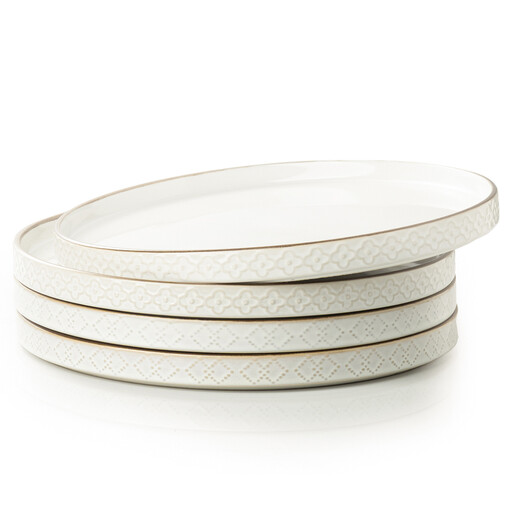
Why this fits the profile: A set of generous ceramic plates for family meals, pasta, salads and serving when you have guests.
The 10.25-inch diameter is clearly stated and prevents a wrong estimate of the serving surface.
Four ceramic plates; stackable; according to the product information, suitable for microwave, oven, fridge, freezer and dishwasher.
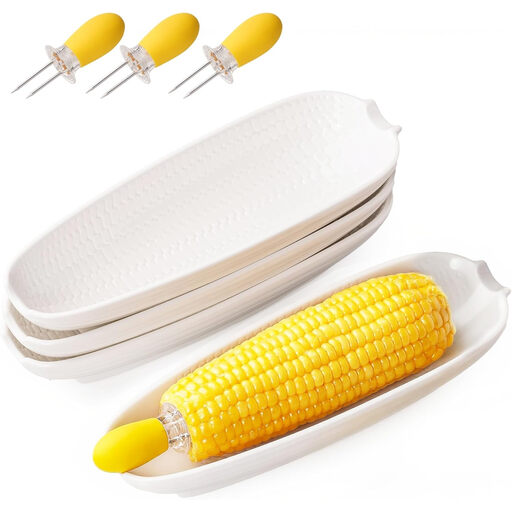
Why this fits the profile: Designed for barbecues, family dinners and summer meals where corn on the cob needs to be served neatly.
The set separately lists four porcelain corn dishes and four stainless steel corn cob holders.
Dimensions approximately 22.3 × 9.5 cm; according to the product information, suitable for oven up to 250 °C, microwave, dishwasher and freezer.
For home bakers, a mixing bowl set with a non-slip base and stackable shapes is practical. Do check whether the product page mentions suitability for dishwasher or microwave; these features are not a given.
For meal prep, food storage containers made of 304 stainless steel are a logical addition. According to the product information, the PURECOOK set contains three containers of 1,000, 1,800 and 3,000 ml with glass lids and silicone seals. The containers are intended for cooling, freezing and water bath heating. With hot soup, you must let pressure escape through the vent before opening the lid.
A set of ramekins with lids is suitable for desserts, dips, small quiches and portions you want to store. Bear in mind that the ceramic dishes and plastic lids may have different temperature limits.
We have compiled a full, up-to-date list of products that fully meet these strict selection criteria and comply with current European safety regulations.
That depends on your routine. Porcelain and ceramic suit dining and serving, while 304 stainless steel can be handy for heavy use and households where break resistance matters. Always compare the stated dimensions, care instructions and appliance compatibility.
Not always. Check whether both microwave and oven are explicitly mentioned and pay attention to the maximum temperature. Do not use a plastic lid in the oven unless the product information clearly allows it. Also avoid sudden temperature changes with glass, ceramic and porcelain.
Use a mild detergent, avoid abrasive scouring pads and let warm products cool down gradually before placing them in cold water. Stack dinnerware carefully and handle glass lids and glazed edges gently. This will minimise scratches, cracks and damage with everyday use.
