
Vandaag of morgen in huis

Kwaliteit gegarandeerd

Welkomstaanbiedingen ontgrendelen: GRATIS bezorging | Tot 80% korting | Gratis 30 dagen JoyPlus-proefperiode
Download de app
A dimmable LED lamp can create a more atmospheric living room, provide softer lighting in the bedroom or offer extra flexibility on the balcony. However, not every lamp with a dimming function is suitable for every situation. A low price says little about light quality, while terms such as “smart”, “weatherproof” or “energy-efficient” are sometimes used without enough technical context.
Pay particular attention to these common pitfalls:
The number of lumens (lm) indicates how much light a lamp produces. Watts mainly describe energy consumption and are less suitable for comparing brightness with integrated LED lighting.
Use these figures as a practical guide:
An LED table lamp or cordless LED lamp with a low light output can therefore be a useful addition, but it does not automatically replace an LED ceiling lamp.
Colour temperature is measured in Kelvin (K). Warm white light around 2700–3000 K looks softer. An adjustable colour temperature, for example from 3000 to 6500 K, offers more options for different times of day.
Also check how the dimming function works:
Bear in mind that “dimmable” does not always mean that the brightness can be adjusted continuously. For some products, it refers to three fixed settings.
For indoor use in dry rooms, IP20 is common. Such a lamp should not be used in a bathroom or on an exposed terrace. Outdoors, portable models with IP44 are suitable for splashing water, for example on a sheltered balcony or terrace. A higher level of protection does not mean that the lamp can be exposed to rain without limits.
Also consider the power supply:
With integrated LED modules, the light source cannot be replaced by the user on various models. Therefore, check the warranty, maintenance instructions and expected lifespan in the product information.
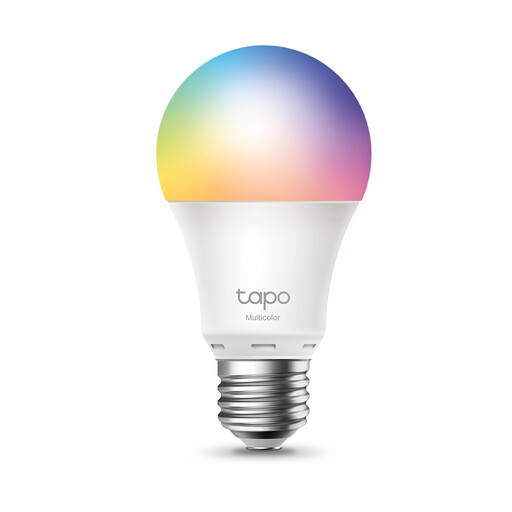
Why it suits this profile: This smart LED lamp fits an E27 socket and offers control via Wi-Fi and the Tapo app, without an additional hub. That makes switching to smart lighting relatively straightforward.
The specifications state 806 lumens, dimming from 1 to 100% and an adjustable colour temperature of 2500–6500 K. This makes it clear that this model offers more than just an on/off function.
16 million colour options, schedules and timer functions; stated consumption of 8.7 W at 806 lumens.

Why it suits this profile: If you are looking for fixed lighting for the living room, bedroom or hallway, this slim LED ceiling lamp offers a remote control and multiple lighting settings.
The product information states 2000 lumens, five settings and a range of 2200–6500 K. The lamp is IP20 and is therefore intended for dry indoor spaces.
WarmGlow function according to the product description; 29.1 cm round housing and remote operation.
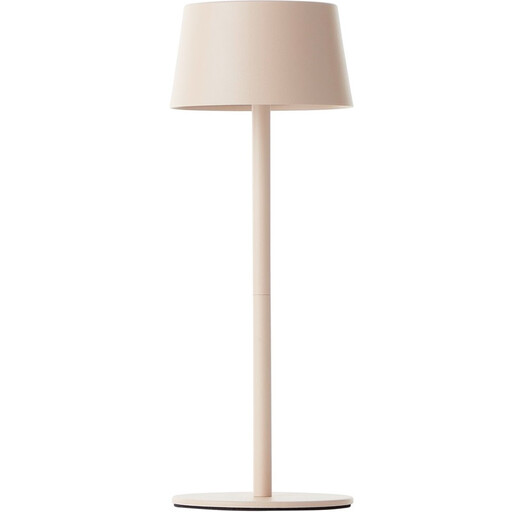
Why it suits this profile: This outdoor solar LED lamp is suitable for a terrace, balcony or sheltered spot in the garden where flexible, cordless positioning is important.
The specifications clearly state 170 lumens, three dimming settings, 3000 K and IP44. The lamp is splashproof, but is not suitable for immersion or direct water jets.
Charging via solar panel or USB; metal housing; two adjustable mounting heights.
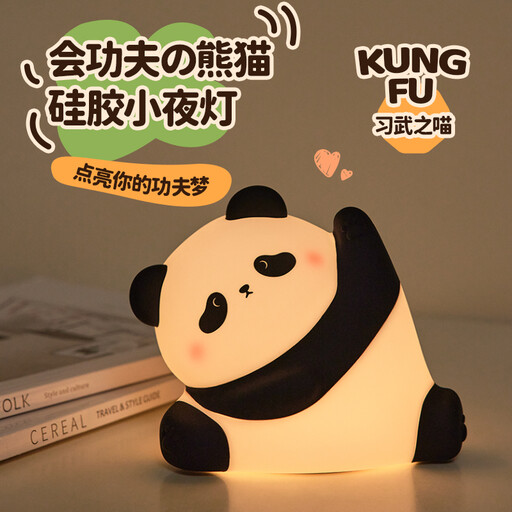
Why it suits this profile: This compact rechargeable LED lamp is intended for a child’s bedroom, bedside table and use around bedtime.
The product description mentions three dimming settings, touch controls and a 1200mAh rechargeable battery. The model is intended for indoor use only and must not be immersed in water.
Food-grade silicone according to the product information; USB rechargeable; touch control.
We have put together a complete, up-to-date list of products that fully meet these strict selection criteria and the applicable European safety regulations.
It depends on the type. A ceiling lamp is usually connected to 220–240 V and installed after switching off the power at the consumer unit. A rechargeable LED lamp is charged via USB and does not require a fixed connection. You screw a smart LED lamp with an E27 fitting into a suitable light fitting and then connect it to the corresponding app. Always follow the instructions for the specific model.
Lifespan varies depending on the product and conditions of use. An integrated LED module often cannot be replaced by the user. With a cordless model, the battery also plays a role. Therefore, do not only check the stated operating hours, but also whether the battery is replaceable, how the lamp is charged and which warranty terms apply.
Dimmability alone does not determine total consumption. A lamp with a lower wattage generally uses less electricity over a similar period of use, but its light output in lumens must also be taken into account. When dimmed, consumption may decrease, depending on the design and selected setting. Therefore, compare watts, lumens and energy label together rather than looking at just one figure.
