
Paper recipe organiser
You want to turn handwritten pages into a searchable archive and be able to check the recognised text. Microsoft recommends checking OCR results.


When digitising handwritten recipes, the key is having a good workflow for scanning, OCR and text correction; a laptop or stylus alone cannot guarantee a usable transcript. A standard laptop is suited to scanning, checking and indexing with a keyboard, while a convertible is only worth considering if you also want to write digitally with a stylus. Google Cloud describes how it can recognise multiple languages in one image, and Microsoft recommends checking OCR text. So, test your own handwriting and languages in the software you choose.
You want to turn handwritten pages into a searchable archive and be able to check the recognised text. Microsoft recommends checking OCR results.
Your recipes use multiple languages or scripts, and you want to find ingredients and names even when the automatic recognition needs correcting. Google Cloud describes how it can recognise multiple languages in one image.
You want to archive recipes and add new notes to the screen with a stylus. Microsoft's ink-to-text feature is designed for digital pen strokes, not handwriting on paper.
Best for: scanning or photographing existing recipes, then correcting and indexing the text mainly with a keyboard.
Consider: you’ll need a separate method for taking photos or scanning; Microsoft recommends checking the extracted text.
Best for: adding new notes with a digital stylus as well as processing scans.
Consider: check that the stylus works with the exact model and the app you want to use; digital pen input is different from OCR of a photo.
Best for: scanning with an iPhone or iPad, then organising and correcting your recipes on a Mac. Apple describes using Continuity Camera for this.
Consider: Microsoft warns that handwritten or highly stylised text doesn’t work very well in OneNote for Mac; test the OCR app you choose for yourself.
Best for: using apps and files that work in ChromeOS or your browser.
Consider: check app features, any offline requirements and the end-of-update date for the exact Chromebook model.
Microsoft recommends checking OCR text after recognition. Google Cloud describes multilingual recognition in a single image, but you’ll still need to try it with your own pages to see how well it handles your handwriting and languages.
| Buying concern | What to look for | Who should prioritise it? |
|---|---|---|
| Readable transcription | Test scans of your own handwriting in the software you plan to use; where possible, keep both the original image and the corrected text. | I want to check ingredients and quantities after scanning, so my index remains useful; around 36% of consumers prioritise a readable transcription of paper recipes. |
| Multilingual recognition | Make a note of the languages and scripts you use, then try sample pages that mix them in your chosen app. | If recipes mix languages or scripts, I want to find names and ingredients in their original writing; around 29% of consumers prioritise multilingual recognition. |
| Organising and storing | Check that your app can store scans and corrected text; plan a separate backup. | I want to find and restore scans and checked text later; organisation and backup are the main priority for around 21% of consumers. |
| Writing with a stylus | Check stylus compatibility against the full model number and whether a stylus is included with that configuration. | If I want to add new recipe notes by hand, I want to use the stylus and laptop together; digital pen input is the main concern for around 14% of consumers. |
A digital pen feature processes pen strokes on the device; for existing paper recipes, you’ll need a photo or scan and image-recognition software. You should check the recognised text.
Before choosing, test real recipe pages in the app you plan to use, paying particular attention to ingredients, quantities and languages.
What’s included can vary by configuration. Check the contents of the box and stylus compatibility against the full model number.
HP states that the charger is sold separately for the HP OmniBook X Flip 14-kc0600ndx; check what’s included with the configuration you’re considering.
A backup can help you restore files if they’re lost or damaged. Microsoft describes backing up personal files, and Apple describes Time Machine for Mac files.
Make a separate backup and check that you can restore a recipe.
Depending on the backup method you choose, you may need external storage.
The Yoga 7i 2-in-1 range is worth considering if you want to combine typing with stylus input on a Windows convertible.
The OmniBook X Flip range is an option to compare if you’re looking for a Windows laptop with a fold-back touchscreen.
The MacBook Air is worth considering if you scan recipes with an iPhone or iPad and then work on them on a Mac.
The Chromebook Plus Spin 514 configuration CP514-5HN-K2LS is worth considering for a workflow based in ChromeOS or a browser.
The Dell 14 Plus 2-in-1 DB04250 is a model to compare if stylus input matters to you.
This Joybuy selection includes HP Flip models and laptops from Auusda and Samsung for processing, correcting and organising scans. Check the OCR app and how well it recognises your own handwriting separately.
 No image available
A Flip model to compare if you want to write digitally as well as scan and type; check that your chosen app suits your workflow.
The stylus and USB-C charger are not included with this configuration.
 No image available
A Flip model to compare if you want to process scans on a laptop; test in advance whether the OCR app can handle the languages and handwriting in your recipes.
 No image available
This 2-in-1 configuration could suit you if you want to process scans and write on the screen; the stylus and USB-C charger are not included.
Listed specifications: Intel Core 5 120U, 8 GB RAM, 512 GB SSD, 14-inch 2K touchscreen and Windows 11 Home.
 No image available
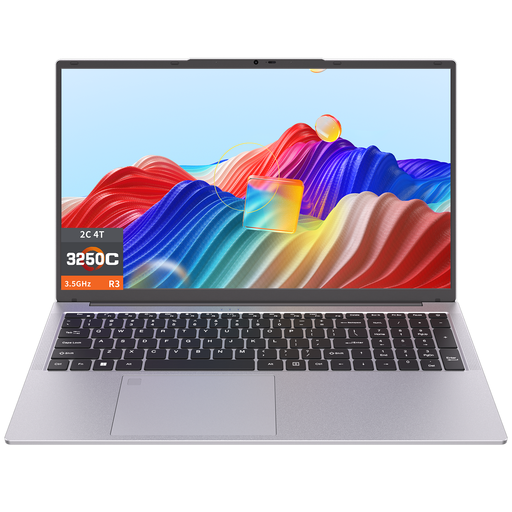
If you want to view scans and transcripts side by side, check whether this screen size suits your workspace.
Listed specifications: 3250C processor, 8 GB DDR4 RAM and 512 GB SSD.
 No image available
A laptop to compare if you want to process scans and corrected text on a Windows computer and index recipes with a keyboard.
Listed specifications: Intel Core 7 150U, 16 GB RAM, 512 GB SSD, Full HD and Windows 11 Home. Colour: Grey.
No. You’ll need a suitable scanning and OCR workflow, and you should check the recognised text. Microsoft warns that handwritten or highly stylised text doesn’t work very well in OneNote for Mac; test your own recipes in the app you plan to use.
No. Microsoft's ink-to-text feature processes digital pen strokes and works subject to its supported language and Windows requirements. For an existing paper recipe, you’ll need a photo or scan and image-recognition software.
Keep the original scans and corrected text, and make a separate backup as well. Microsoft describes backing up personal files to external storage or a network location; Apple describes Time Machine for Mac files. Also check that you can restore a recipe.
According to the Dutch government, the seller must provide a solution if there’s a problem with a product. For many distance purchases, you have a 14-day cooling-off period; check whether this period and any exceptions apply to your purchase.
The Dutch Data Protection Authority states that processing personal data purely for personal or household use falls outside the GDPR. Consider sharing or publishing for business purposes separately, as this would not automatically count as purely private use.