
Vandaag of morgen in huis

Kwaliteit gegarandeerd

Welkomstaanbiedingen ontgrendelen: GRATIS bezorging | Tot 80% korting | Gratis 30 dagen JoyPlus-proefperiode
Download de app
A digital thermometer should be simple to use: measure, read and clean. Yet many families buy a model that does not suit the way they use it. For example, a quick reading is not automatically suitable for every age group or measurement method. A device with lots of features can also be unnecessarily expensive or difficult to use.
When comparing a digital thermometer, pay particular attention to three common pitfalls:
A fever thermometer for home use is usually one of the following types:
A forehead thermometer uses infrared measurement, often without skin contact. This is practical when measuring sleeping babies, young children and in situations where you want to measure hygienically. The distance and position on the forehead are important. Sweat, hair, a hat, direct sunlight or a cold room can affect the reading.
An ear thermometer measures through the ear canal. This can be quick, but correct positioning is essential. Check whether the model is suitable for the child’s age and whether hygienic lens covers are required. In a family with several users, the cost and availability of these covers are practical considerations.
A traditional digital thermometer with a flexible tip can measure orally, rectally or under the arm, for example. This type works through direct contact and therefore requires more attention to cleaning. Check in advance which measurement sites the manufacturer specifies and follow the instructions for each measurement method.
Some models measure body temperature through the forehead or ear and can also measure objects such as milk, bath water or food. This is useful, but check that the object mode is clearly separate from the body mode. A technical infrared meter with a laser for high temperatures is not suitable for people.
Do not just look for the term “infrared thermometer”. Check whether the model is intended for forehead measurement, ear measurement or both. With a non-contact thermometer, the recommended distance should be clearly stated. The Braun BNT050WE, for example, specifies a position of 1 to 5 cm from the centre of the forehead. A distance sensor, such as the one specified for the Yuwell YT-1, can help make positioning more consistent.
A display showing one decimal place, such as 37.4 °C, makes small differences visible. This does not automatically mean that every reading is equally reliable in all conditions. Therefore, also check the measurement range, operating temperature and instructions for repeated measurements.
A memory function is useful when you want to compare readings. The Medisana TM 750 stores previous measurements. Other models specify, for example, 9, 32 or 35 memory locations. Check whether this number suits the way you use it, for example when monitoring several family members.
A thermometer for babies and children should be easy to clean and safe to store. With an ear thermometer that uses disposable lens covers, you need to allow for additional consumable costs. A non-contact forehead thermometer prevents direct skin contact, but the sensor still needs to remain clean and scratch-free.
Also pay attention to the power supply. Check whether batteries are included, which type is required and whether a low battery is clearly indicated. A thermometer with a fever alert may have a colour code, beep or vibration function. Treat this as a reading aid, not a medical conclusion.
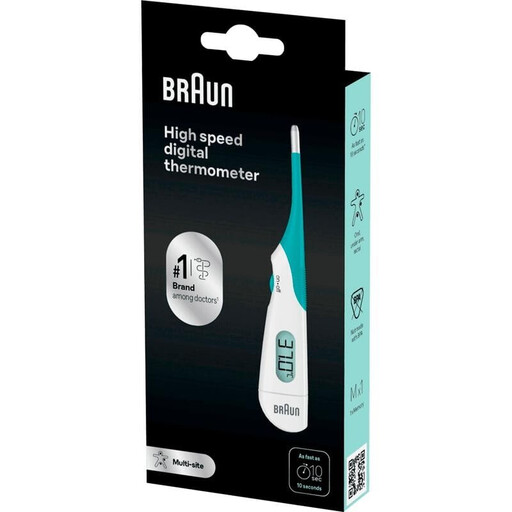
Why it suits this profile: A simple contact thermometer with button operation, a flexible tip and oral, rectal or underarm use.
The measurement method is clear, with no complicated app or distance setting required. According to the product information, readings vary depending on the person and method.
Flexible tip, memory for the last reading and, according to the product description, a reading in around 8 seconds.
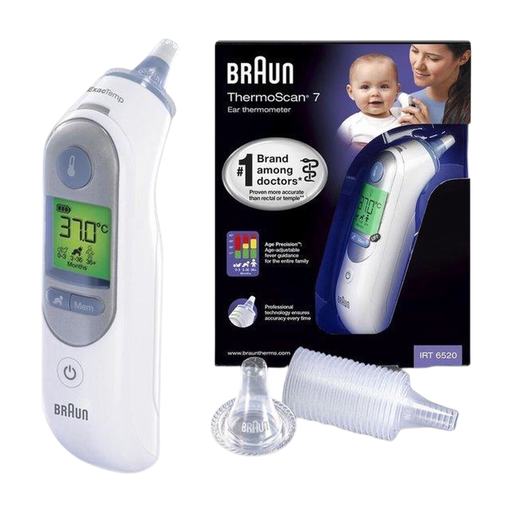
Why it suits this profile: Suitable for families who value ear measurement, age settings and dedicated hygienic lens covers.
According to the product description, the ExacTemp indicator helps confirm correct positioning. Bear in mind the cost of replacement lens covers.
Age settings for 0–3 months, 3–36 months and over 36 months; illuminated display and storage for 9 readings.
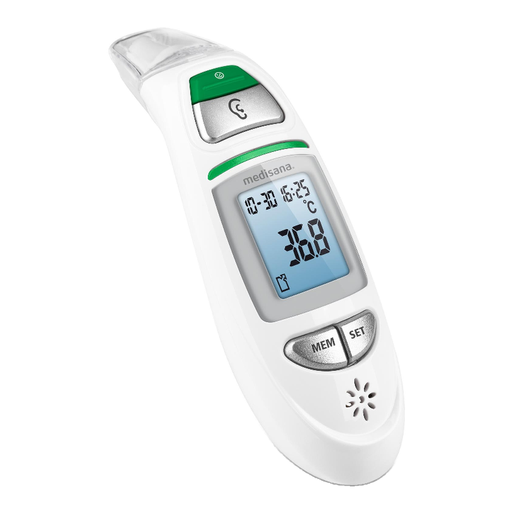
Why it suits this profile: A non-contact forehead thermometer for families who want to take readings quickly and review previous values.
The product information explicitly states that the device is intended for forehead measurements, not internal measurements. This keeps its intended use clear.
Non-contact infrared measurement, a memory function and a display showing readings to one decimal place according to the product specifications.
We have put together a complete, up-to-date list of products that fully meet these strict selection criteria and the applicable European safety regulations.
A digital thermometer is intended as an aid for recording temperature readings. If you have concerns about a baby, child or adult, if symptoms persist or if a reading is unusual, it is advisable to contact a GP or another healthcare professional.
This depends on the battery type, use, storage and maintenance. Store the device in a dry place, replace the batteries in good time and prevent scratches on the sensor. Even with occasional use, a battery can still run flat, so check the device from time to time.
In addition to the purchase price, you may need to factor in batteries, hygiene covers and any accessories. A non-contact forehead thermometer generally does not use disposable covers, whereas some ear thermometers require them. Compare the total cost of use, not just the price shown on the product page.
According to their product information, many models are offered for babies, children and adults. However, the measurement method and age limits vary from one device to another. Check the instructions, measure in calm conditions and only use an age setting if it is actually available on the model.
