
Vandaag of morgen in huis

Kwaliteit gegarandeerd

Welkomstaanbiedingen ontgrendelen: GRATIS bezorging | Tot 80% korting | Gratis 30 dagen JoyPlus-proefperiode
Download de app
Whether you're a professional mechanic or a serious DIYer working on cars or motorcycles, precision isn't a luxury; it's a necessity. A bolt that's too loose can vibrate free, while one that's overtightened can strip threads or even break. For this, a reliable 1/2-inch digital torque wrench is an indispensable tool.
However, the market is flooded with models that promise the world. Before you invest, it's crucial to recognise the common pitfalls that lead to a bad purchase.
To avoid these problems, there are a few core specifications you should always check. These aren't marketing buzzwords, but objective criteria that make the difference between a quality tool and wasted money.
The 1/2-inch drive is the standard for heavier-duty tasks, such as changing wheels. Check that the torque range matches your jobs. For tightening lug nuts, you typically need 110 to 180 Nm. A model with a maximum of 340 Nm offers plenty of headroom for virtually any automotive torque wrench task. For engine blocks or other precision parts, a low minimum value is what matters most.
An accurate torque wrench is fundamental. Look for models with a specified accuracy of ±2% clockwise. This guarantees you're working within a very tight margin of the factory specification. A good electronic torque wrench combines a clear torque wrench with a display with a triple-alert system:
This combination ensures you never miss reaching the set torque, regardless of the workshop conditions.
Modern professional automotive tools should boost efficiency. Features like a preset mode, which lets you save frequently used torque values, save a lot of time. The Peak and Track functions are also useful. Track shows the real-time force, while Peak records the maximum applied force, which is handy for post-tightening verification.
Based on these objective criteria, we have selected a few models that suit different user profiles.
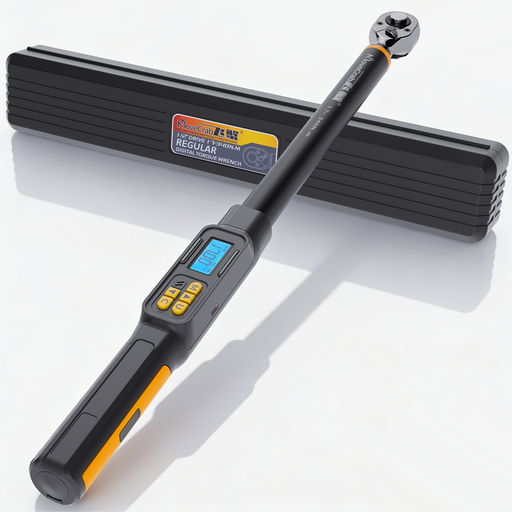
Why This Fits Their Persona: This wrench is ideal for mechanics working on a wide range of automotive parts. Its broad torque range covers everything from engine components to securely tightening lug nuts, eliminating the need to switch tools.
Addresses the 'limited torque range' pitfall. With a range up to 340 Nm, you never have to worry about the wrench not being powerful enough for heavy-duty jobs.
The wide 17-340 Nm range and the preset mode for 10 common values make this a highly versatile and efficient tool.
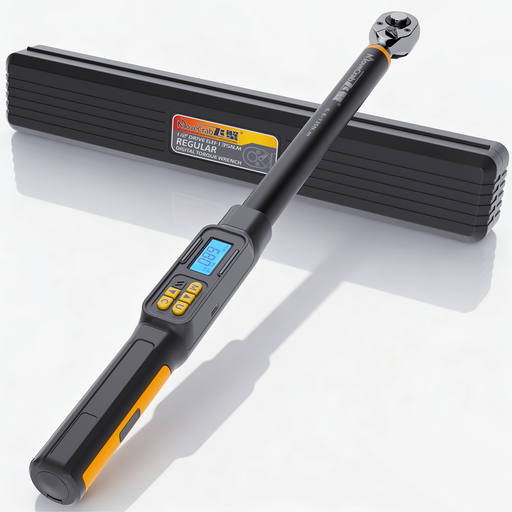
Why This Fits Their Persona: Perfect for those who work on motorcycles or delicate automotive parts. Precision in the lower torque range is crucial here, while the 1/2" drive maintains compatibility with standard socket sets.
Avoids the 'myth of accuracy.' The specified ±2% precision is especially critical in the lower range, where many other wrenches become unreliable.
Its high sensitivity starting from 6.8 Nm and the clear triple-alert system (vibration, sound, light) ensure maximum control for precision work.
We've compiled a complete, up-to-date list of products that fully meet these strict selection criteria and safety regulations.
How often should a digital torque wrench be calibrated? For professional and daily use, annual calibration is recommended. For the serious DIYer, once every 2-3 years, or after it has been dropped, is a good guideline. An important tip: always store the wrench at its lowest torque setting. This reduces stress on the internal sensor and helps maintain calibration longer.
Is a digital torque wrench better than a mechanical 'click-type' wrench? This depends on the application. A digital torque wrench typically offers higher precision (often ±2% versus ±4% for mechanical models), a clear digital display, and multiple feedback signals that reduce the risk of overtightening. For critical components where the manufacturer's exact specification must be followed, a digital model is preferable. On the other hand, a mechanical wrench is often more robust, simpler to use, and requires no batteries.
What do the 'Peak' and 'Track' modes mean? These two modes offer different ways to measure force.
Written by the Joybuy Product Recommendation Officer, July 28, 2026
