
Vandaag of morgen in huis

Kwaliteit gegarandeerd

Welkomstaanbiedingen ontgrendelen: GRATIS bezorging | Tot 80% korting | Gratis 30 dagen JoyPlus-proefperiode
Download de app
A digital thermometer should be simple to use: take a reading, check the result and know what to do next. However, not every model is suitable for the same situation. A contactless thermometer is convenient when checking a sleeping baby, while a classic pen-style thermometer may be ideal if you are looking for a simple and affordable reading.
As a Joybuy Product Recommendation Officer, I filter product information based on practical considerations. I look not only at extra features, but also at the measuring method, conditions of use, hygiene and suitability for different ages.
A display showing a result within one second does not automatically mean that the reading will remain consistent in all circumstances. With an infrared thermometer, factors such as the distance from the forehead, movement, sweat, hair, room temperature and direct sunlight can all play a role.
Always check:
A colour display or sound signal can help you identify a reading quickly. However, the threshold for an elevated temperature can vary depending on age, measuring site and measuring method. A fever thermometer therefore provides a measurement; the device does not make a diagnosis.
According to Braun’s own information, the Age Precision function takes age groups into account when interpreting temperature. Treat this as an aid when reading the result, not as a replacement for medical advice.
A thermometer with a memory function, object mode, silent mode and multiple measuring sites may seem appealing. But more features do not automatically make a device more practical. Consider in advance whether you mainly need:
A forehead thermometer usually works contactlessly using infrared technology. This is practical for babies, children and adults because you do not need to touch the body. However, the reading may be more sensitive to the surroundings and positioning.
An ear thermometer measures temperature in the ear and can work quickly. Correctly positioning the sensor is important. Some models use a pre-warmed tip or a positioning signal. With young babies, follow the instructions particularly carefully.
A classic pen-style digital thermometer measures temperature in the armpit, mouth or rectum, depending on the model. These thermometers often have fewer features, making them suitable for anyone mainly looking for a straightforward reading.
Pay attention to the measuring range and displayed resolution. A display showing 0.1 °C means that the temperature is displayed in increments of one tenth of a degree. On its own, this does not indicate how small the measurement error is.
For example, the Treesmile T11 states a resolution of 0.1 °C and different specified margins of error for particular temperature ranges. This information is more useful than simply making a general claim about “high accuracy”. Always compare the official instructions and product specifications.
A contactless thermometer reduces direct contact during measurement. The sensor must still be cleaned according to the instructions. An ear thermometer with disposable covers requires additional supplies and a consistent hygiene routine.
A thermometer with a memory function can be useful if you want to compare readings taken at different times. Check how many readings are stored: this can range from the most recent reading to dozens of memory locations. Also check whether batteries are included and which type is required.
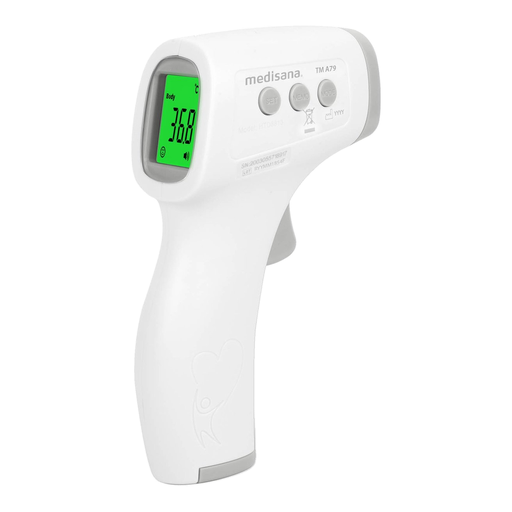
Why it suits this profile: One-button operation, a large display and a compact design keep things simple for everyday use at home.
The product description states that it offers contactless infrared measurement and a memory function, so you do not have to rely solely on a fever alert.
Contactless measurement, memory for previous readings, a large display and a weight of 170 grams according to the product information.
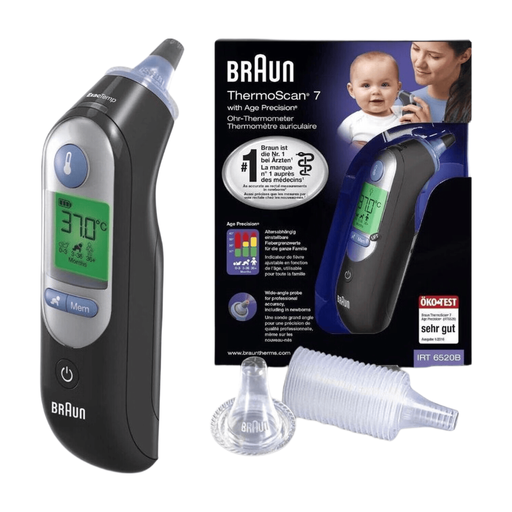
Why it suits this profile: This ear thermometer is designed for families who value positioning assistance, age settings and a consistent hygiene routine.
According to the product information, the ExacTemp indicator helps with positioning. A clean hygiene cover is used for every reading.
Pre-warmed measuring tip, three age groups, colour-coded display, night light, plus batteries and hygiene covers included.
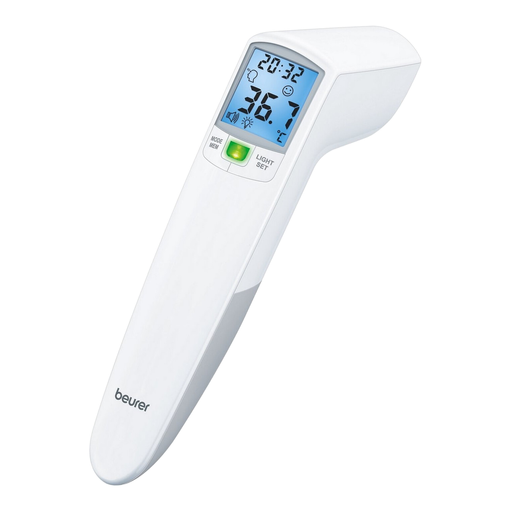
Why it suits this profile: Suitable for households that want to measure objects or the surroundings as well as body temperature, and store previous readings.
The recommended distance of 4–6 cm and automatic start help provide a consistent method. The instructions remain the ultimate guide for correct use.
60 memory locations, contactless measurement, object and room temperature modes, colour indication and a large illuminated display.
We have put together a complete, up-to-date list of products that fully meet these strict selection criteria and the applicable European safety regulations.
A digital thermometer is intended as an aid for taking temperature readings at home. If you are concerned about a high temperature, unusual readings or other symptoms, contact your GP or another healthcare professional.
Its lifespan depends on battery use, storage, cleaning and the condition of the sensor. Replace the batteries in good time and check the casing and measuring tip regularly. Under this product information, the statutory guarantee in the EU is at least two years; additional rights may apply under Dutch law.
A thermometer for babies should be suitable for the age and measuring method specified in the instructions. Contactless measurement can be practical when checking a sleeping child. An ear thermometer may also be suitable if it can be positioned according to the instructions. Always check the age limits and seek medical advice if you are unsure.
In addition to the purchase price, batteries, hygiene covers and, where applicable, cleaning materials may incur additional costs. A pen-style thermometer generally uses a small button battery. An ear thermometer with disposable covers involves recurring costs. Before ordering, check the contents of the pack and the price of replacement accessories.
