
Vandaag of morgen in huis

Kwaliteit gegarandeerd

Welkomstaanbiedingen ontgrendelen: GRATIS bezorging | Tot 80% korting | Gratis 30 dagen JoyPlus-proefperiode
Download de app
A digital thermometer may look simple, but models differ greatly in measurement method, ease of use and what they’re meant to measure. A forehead thermometer that also reads milk or bathwater isn’t automatically suitable for every body temperature reading. And a meat thermometer is a different product to a fever thermometer.
For families, parents and home cooks, three pitfalls matter most:
A forehead thermometer usually measures contactlessly with infrared. That’s handy for sleeping babies or when several family members are measured one after another. You don’t have to place the device against the skin, but distance and the condition of the forehead still matter.
An ear thermometer measures in the ear canal. Placement must be done carefully and some models need a clean hygiene cap for each reading. That increases running costs but can be practical in a family where the thermometer is used often.
A basic digital body thermometer with a flexible tip works via the armpit, mouth or rectally, depending on the model and the instructions. This type usually has fewer functions and is ideal if you just want a straightforward instrument in the medicine cabinet.
Some models have multiple modes for body, objects and ambient temperature. According to the product description, that lets you measure milk, food, bathwater or a room as well. Always check which mode is active. An object mode is no substitute for a suitable body temperature measurement.
The same applies in the kitchen:
First choose the measurement site: forehead, ear, armpit, mouth, rectal or food. If a product says “for adults and children”, also check whether the manufacturer gives instructions for babies and what limitations apply.
With products that carry brand claims: according to the brand’s own research certain accuracy or speed performance may apply, but your results at home still depend on conditions of use. Look for specific details such as contactless measurement, memory function, measurement range and resolution of 0.1 °C.
A fast temperature reading is only useful when you use the device as prescribed. With a contactless thermometer, check:
For example, the Medisana TM 750 states that you should keep the forehead clean and dry, use the device at a distance of a few centimetres and avoid direct sunlight. Instructions like these matter more than a simple claim such as “result in one second”.
A thermometer for the whole family should be easy to clean. Check whether the sensor may be cleaned with a soft cloth or alcohol swab and whether the device is water-resistant. “Water-resistant” doesn’t automatically mean the entire device can go under the tap.
Also check:
For unusual readings or concerns about fever, a thermometer doesn’t replace medical advice. Use the value alongside symptoms and follow the instructions.
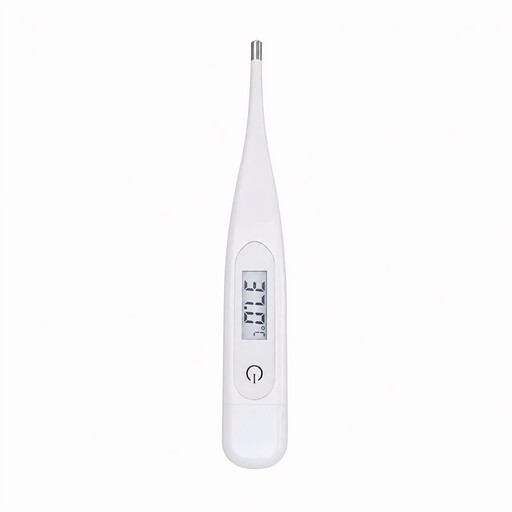
Why it suits this profile: A simple pen-style fever thermometer for home, travel and families who don’t need extra modes.
The specs are straightforward: a body temperature range, °C/°F selection and a mercury-free casing. There’s less chance you’ll accidentally end up in the wrong object mode.
Resolution of 0.1 °C, audible signal, compact size and mercury-free design.
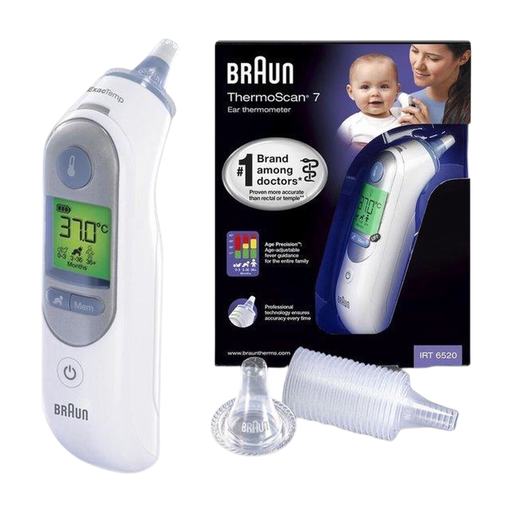
Why it suits this profile: For families who want an ear thermometer with age settings, positioning aid and included hygiene caps.
The 21 hygiene caps included make the ongoing usage clear upfront. According to the product description, the ExacTemp indicator helps with positioning in the ear.
Age settings, colour-coded display, pre-warmed tip and memory for the last nine readings.
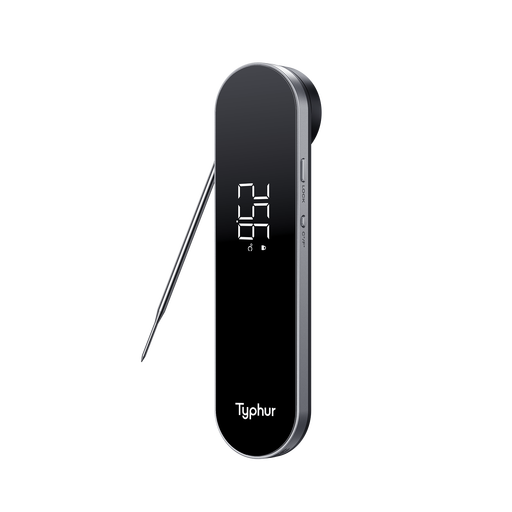
Why it suits this profile: For barbecue fans and home cooks who want to check core temperatures quickly while grilling, smoking and baking.
It’s clearly intended for food, not people. The probe, temperature range and IP67 rating are made for intensive kitchen and barbecue use.
According to the product description, a reading in around 0.5 seconds, water-resistant housing and a rotating display.
We’ve compiled a complete, up-to-date list of products that fully meet these strict selection criteria and current European safety regulations.
That depends on use, battery type, storage and maintenance. A fixed lifespan isn’t the same for every model. Store the thermometer somewhere dry, clean the sensor according to the manual, and remove batteries if you won’t use the device for a longer period. With an ear thermometer, also keep an eye on your supply of hygiene caps.
A contactless forehead thermometer can be practical when a baby is sleeping. An ear thermometer can also be suitable if the manufacturer specifies use from that age. Always read the instructions and, if in doubt, measure again using the same method. According to the product description, the Braun BNT400BWE is intended for babies, children and adults, and offers both touch and contactless measurement.
Besides the purchase price, batteries and consumables matter most. A simple pen-type thermometer typically uses one button cell. An ear thermometer with disposable caps incurs ongoing extra costs. Models with a silent mode, memory or object measurement can offer more features, but choose them only if you’ll use them regularly.
