
Vandaag of morgen in huis

Kwaliteit gegarandeerd

Welkomstaanbiedingen ontgrendelen: GRATIS bezorging | Tot 80% korting | Gratis 30 dagen JoyPlus-proefperiode
Download de app
A digital thermometer might seem like a simple product, but the differences between models are significant. A fever thermometer for a baby, for example, requires different features than a temperature and humidity monitor for your living room. A low price also means little if the controls are confusing, the batteries drain quickly, or the measuring method doesn't suit your situation.
Pay particular attention to these common pitfalls:
The most important choice is the measuring method. A classic pen-shaped thermometer measures via a probe and typically displays a resolution of 0.1 °C. This type is simple and affordable, but requires direct contact with the body and usually a little more measuring time.
An infrared thermometer measures from a distance or via the ear. A contactless forehead thermometer is useful with sleeping children and when hygiene is important. An ear thermometer can be practical for regular use, but correct placement and any hygiene caps are important.
A model with multiple modes can measure body temperature and object temperature. Check that the product specifications clearly state which modes are available. A thermometer for children and adults should also give clear signals, such as a large display, colour indication or an adjustable fever alarm.
A display with one decimal place, such as 37.2 °C, makes small differences visible. That doesn't automatically mean every reading is equally accurate. Check the stated margin of error, the measuring range and the conditions under which those specifications apply.
With the Treesmile T11, for example, a measuring range of 32.0 °C to 42.9 °C and a display resolution of 0.1 °C are stated. The specified margin of error varies by temperature range. This kind of information is more useful than just a general claim about "high accuracy".
A contactless thermometer doesn't need to touch the skin, but it must be aimed at the correct distance and at the right part of the forehead. Allow the device and the person to acclimatise to the same room temperature before use if the manual advises this. Avoid measuring on a sweaty forehead or immediately after exercise.
With an ear thermometer, placement is especially important. The Braun ThermoScan 7 uses a pre-warmed tip, ExacTemp positioning assistance and disposable hygiene caps, according to the product description. Always use a clean cap if this is recommended for the model.
A memory function helps you review consecutive readings. Check how many readings are stored: this varies by product from a few readings to dozens of results. A silent mode can be useful for night-time measuring, while a colour screen or fever alarm makes the result easier to recognise quickly.
Also pay attention to the battery type. AAA batteries are easy to replace, whereas a button cell can keep the thermometer compact. For smart sensors, you need to check whether a hub is required. The TP-Link Tapo T310 and T315 require a compatible Tapo hub for certain smart features.
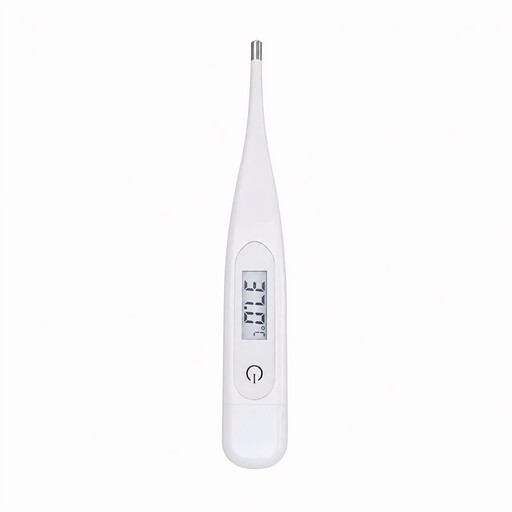
Why this fits the profile: The pen shape and simple controls make it ideal for a medicine cabinet for daily use, at home or on the go.
The product information states the measuring range, the margin of error per range and the resolution of 0.1 °C, rather than just a general accuracy claim.
Mercury-free design, °C/°F switch, beep alert and compact shape.
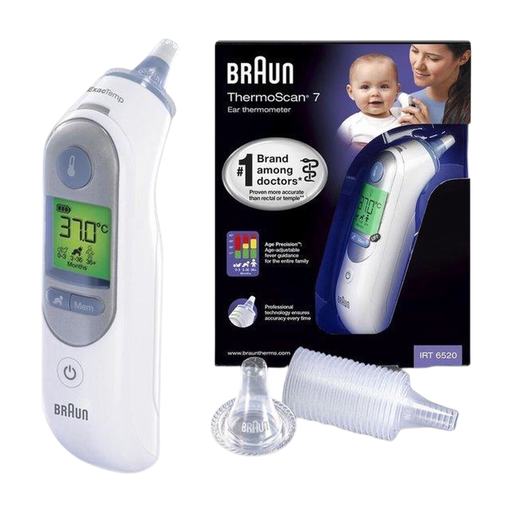
Why this fits the profile: Suitable for families looking for an ear thermometer with age adjustment and guided placement.
An indicator helps with positioning in the ear. The included hygiene caps make use clearer, but do come with ongoing costs.
Age settings, colour coding, pre-warmed tip and memory for previous readings.
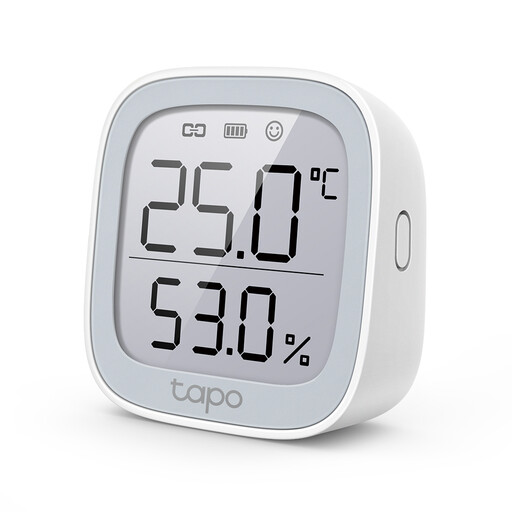
Why this fits the profile: For households that want to monitor humidity as well as temperature and set up notifications on their phone.
The product information states the measurement deviation, the refresh rate and clearly that a Tapo hub is required for smart features.
E-ink display, temperature and humidity measurement, app notifications and data storage.
We've put together a full, up-to-date list of products that fully meet these strict selection criteria and comply with current European safety regulations.
Read the manual before first use and check the batteries. With a forehead thermometer, hold the device at the recommended distance. Where possible, always measure in the same spot and under similar conditions. Clean the sensor according to the instructions with a soft cloth; do not submerge the device in water.
Only use a body thermometer for its intended purpose. An indoor temperature and humidity monitor, such as a Xiaomi Mi Temperature and Humidity Monitor 3, is not a fever thermometer and not a medical device. Conversely, a medical thermometer isn't automatically suitable for long-term climate monitoring.
A measurement result is a tool and does not replace medical advice. If you get an abnormal reading, persistent fever or have concerns about a baby, child, elderly person or vulnerable individual, contact a GP or other healthcare professional.
The lifespan depends on use, batteries, storage and maintenance. Store the device in a dry place, avoid scratches on the sensor and remove batteries during long-term storage if the manual advises this. Loose batteries or hygiene caps can increase ongoing costs.
It can be, provided the model is stated as suitable for babies in the product information and you follow the usage instructions. A contactless forehead thermometer is practical with a sleeping child. If in doubt, check the reading according to the manual and don't rely solely on the fever alarm.
A fever thermometer is designed for body temperature. An indoor temperature monitor measures the environment and can often also record humidity. Always check the purpose, the measuring location and whether the device is offered as a medical instrument.
