
Vandaag of morgen in huis

Kwaliteit gegarandeerd

Welkomstaanbiedingen ontgrendelen: GRATIS bezorging | Tot 80% korting | Gratis 30 dagen JoyPlus-proefperiode
Download de app
A digital thermometer is a household essential for many people, but not every model suits every situation. Parents may want to take their sleeping child’s temperature without waking them. Adults often just want a simple thermometer for occasional use. Carers may prioritise a clear display, memory function and an easy-to-understand alert.
Marketing claims don’t always make choosing one easier. For example, a one-second reading doesn’t mean much if the thermometer is used incorrectly. And a device that measures both body temperature and the temperature of milk or bath water isn’t automatically suitable as a medical thermometer. So start by checking the measuring method, instructions and relevant product information.
An infrared thermometer may display a result in around one second, according to the product description. However, readings can be affected by distance, sweat, direct sunlight, a cold environment or incorrect positioning. Check whether the device has distance detection and what measuring distance the manufacturer recommends.
For a forehead thermometer, it’s important that the forehead is clean and dry. An ear thermometer’s probe must be positioned correctly in the ear. A non-contact thermometer is hygienic and convenient, but you need to pay extra attention to the instructions.
A red display, beep or colour code is a useful warning, but it isn’t a diagnosis. According to product information from various brands, these features are designed to make readings easier to understand. The significance of an elevated temperature also depends on age, measuring site and symptoms.
A thermometer with a fever alert is therefore most useful as a quick visual indicator. Always check the actual temperature and follow the instructions. If you’re concerned about a high temperature or other symptoms, contact a healthcare professional.
Some models can also measure the temperature of milk, food, bath water or a room. This is useful, but object mode isn’t the same as taking a body temperature. A kitchen or meat thermometer, such as the Tilswall or WMF models in the range, isn’t designed for people. Always choose a model that clearly states that it can measure body temperature.
A large backlit display is helpful when taking a reading at night or in low light. A thermometer with a silent mode helps prevent you from waking a sleeping baby or child. Check whether silent mode only turns off the sound or also retains a vibration alert.
A colour code can give you a quick indication, but compare the thresholds with the instructions. Age settings are particularly relevant when choosing a thermometer for babies and children.
A memory function is useful if you want to track several readings. Check how many results are stored: models in this range can, for example, save 9, 32, 35 or 60 readings.
Also check:
A CE mark or certification information may be relevant product information, but it’s no reason to skip the instructions. The product page and the instructions supplied with the product remain the main points of reference.
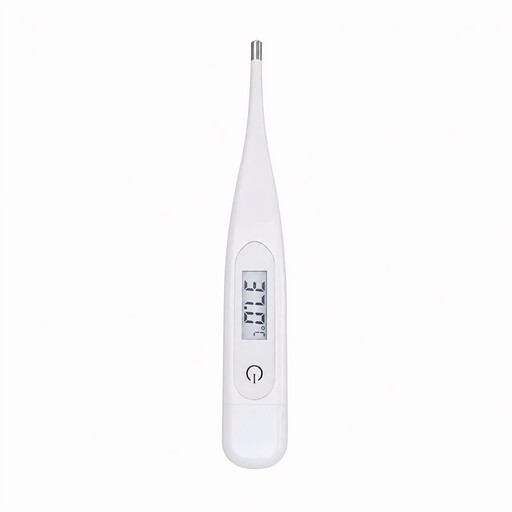
Why it suits this profile: This pen-style model is designed for simple readings for the whole family, without extra modes or complicated settings.
The product information specifies a mercury-free design, a measuring range of 32,0 to 42,9 °C and a clear beep when the reading is complete. There are no unnecessary features to make it harder to use.
0,1 °C display resolution, switches between °C and °F, and a compact pen-style design.
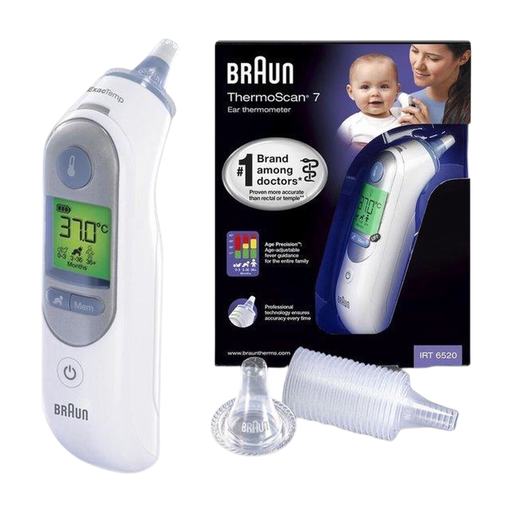
Why it suits this profile: This model is designed for families looking for an ear thermometer with age settings and hygiene accessories.
The product information specifies a pre-warmed tip, a positioning indicator and disposable covers. These help support consistent use, provided you follow the instructions correctly.
Age settings for 0–3 months, 3–36 months and adults; memory for 9 readings.
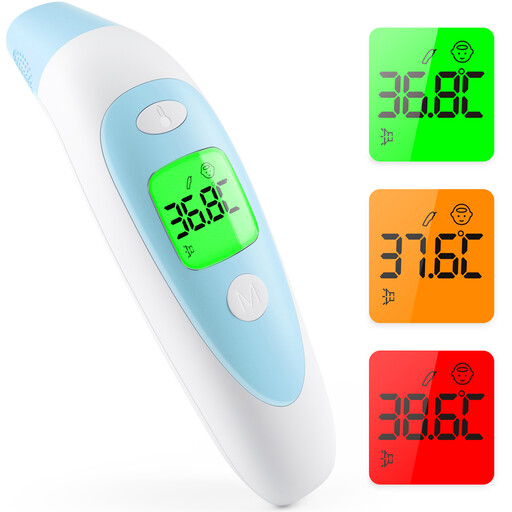
Why it suits this profile: The combination of ear, forehead and object modes suits families who want to use one device in a range of situations at home.
The product description mentions a silent mode, a fever alert with a colour indicator and a fully enclosed probe that can be cleaned with a cloth or cotton bud.
32 memory slots, °C/°F selection and three measuring modes for people and objects.
We’ve put together a complete, up-to-date list of products that meet these strict selection criteria and the applicable European safety requirements.
A digital thermometer is designed for taking temperatures at home. Its readings are intended as a guide and don’t replace a medical assessment.
Its lifespan depends on battery use, storage, cleaning and the quality of the sensor. Keep the device dry, avoid dropping it and remove the batteries if you won’t be using it for a long time. Check the warranty terms when you buy it, too.
A forehead thermometer can be practical for a baby, particularly if you want to take a reading without contact. Follow the specified distance and instructions carefully. If you’re unsure about a reading, discuss the situation with a healthcare professional.
As well as the purchase price, the main costs to consider are batteries and any disposable covers. A non-contact forehead thermometer often doesn’t need covers, whereas an ear thermometer may use protective caps. So compare not just the price of the device, but also any ongoing costs.
