
Vandaag of morgen in huis

Kwaliteit gegarandeerd

Welkomstaanbiedingen ontgrendelen: GRATIS bezorging | Tot 80% korting | Gratis 30 dagen JoyPlus-proefperiode
Download de app
A digital thermometer is a useful addition to many households, especially those with babies, children, older people or anyone with a vulnerable health condition. Even so, it is not always obvious which type is right for you. A forehead thermometer works differently from an ear thermometer, while a simple pen thermometer requires more physical contact.
Marketing claims can also be confusing. A model described as “clinically tested” or “medical” is not automatically suitable for every age or measuring method. Focus instead on where the temperature is taken, the instructions for use and the features you actually need.
An infrared thermometer can display a result in about one second. That is handy when you are taking a sleeping child’s temperature, but the result can depend on the distance, positioning, room temperature and whether the sensor is clean. A quick reading is no guarantee of an accurate one.
With a forehead thermometer, sweat, hair, a hat, cold surroundings or a warm blanket can affect the reading. Always follow the instructions and, if in doubt, take another reading in the same way.
A 3-in-1 thermometer may measure forehead, ear and object temperatures, for example. This offers flexibility, but check that you can easily select the different modes and whether the instructions vary for each measuring method.
A non-contact thermometer is practical and hygienic to use, but object mode is not the same as a medical reading. The temperature of milk, bath water or a room does not tell you someone’s body temperature.
A thermometer with a fever alert uses a preset colour or sound threshold. This alert helps you assess a result quickly, but it does not replace a medical assessment. Normal body temperature varies from person to person and depends on age, where it is measured and the time of day.
According to product information from various brands, colour codes and age settings are intended to help with interpreting results. Treat them as a practical guide, not a diagnosis.
First, decide how you want to measure body temperature:
Also check whether the product is intended for children and adults. Some models have age settings, while others simply display a general temperature reading.
A display that shows temperatures to 0.1 °C makes small changes visible. That does not automatically mean every reading is accurate to within 0.1 °C. Check the stated measuring range and margin of error.
For example, the Treesmile T11 specifies a body temperature range of 32.0 °C to 42.9 °C and a displayed resolution of 0.1 °C. According to the product description, the margin of error between 37.0 °C and 39.0 °C is approximately ±0.1 °C. Use specifications like these to compare products, but always follow the instructions.
A memory function is useful if you want to compare several readings. Check how many results the thermometer stores: some models save 9, 32, 35 or 60 readings.
A thermometer with silent mode is handy when you are taking a sleeping baby’s temperature. A colour display or backlight can make it easier to read the result in a dark bedroom. Also check whether you can switch between Celsius and Fahrenheit.
For home use, a simple control panel, automatic shut-off and an easy-to-clean sensor are often more important than a long list of extra features.
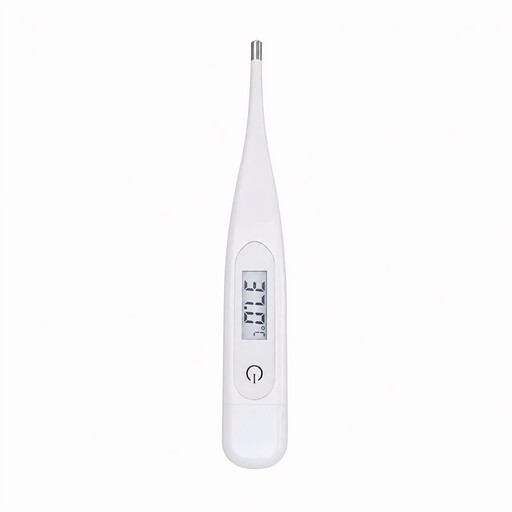
Why it suits this user: This pen-style fever thermometer is a good choice if you want a simple thermometer for the whole family, without infrared or app features.
The product specifications state the measuring range, resolution and margins of error. This means you do not have to rely solely on general claims such as “accurate”.
0.1 °C display, °C/°F conversion, mercury-free casing and a compact design for home or travel.
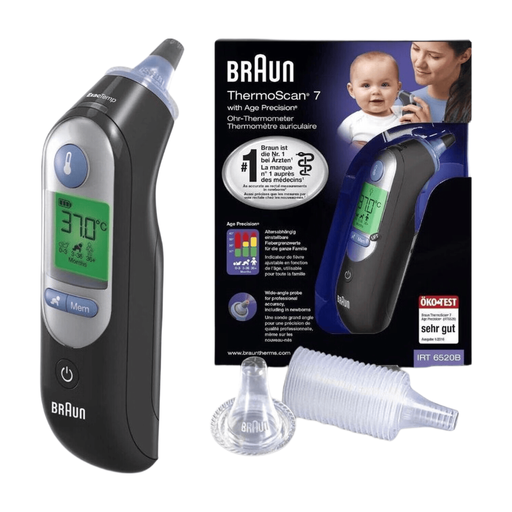
Why it suits this user: This ear thermometer is designed for families who value age settings, positioning guidance and a clear display.
The Age Precision setting and ExacTemp indicator help you take age and positioning into account. According to the product information, hygiene caps are required for use.
Age groups of 0–3 months, 3–36 months and over 36 months; 9 memory slots and an illuminated display.
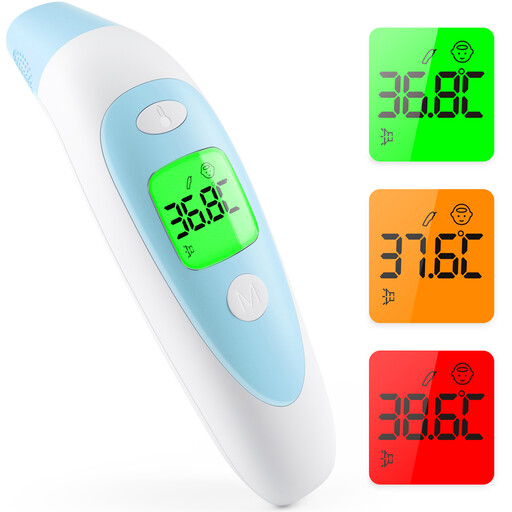
Why it suits this user: This digital thermometer combines forehead, ear and object readings, making it a versatile choice for households that want different ways to take a temperature.
The different modes are clearly specified, so body and object temperatures do not need to be confused.
32 memory slots, fever alert, silent mode, °C/°F conversion and, according to the product information, CE and ISO certification.
We’ve put together a complete, up-to-date list of products that meet these strict selection criteria and the applicable European safety regulations.
A medical thermometer for home use is designed to measure temperature; it does not provide a full assessment of someone’s health. Product claims about accuracy, certification or clinical testing come from the manufacturer’s product information and should be considered alongside the instructions.
Its lifespan depends on battery use, cleaning and storage. Keep the device dry, avoid dropping it and replace the batteries when the symbol appears or the readings become erratic. Not every model has a set expiry date. Check the manufacturer’s warranty and care information.
Running costs usually include batteries and, for some ear thermometers, disposable hygiene caps. A pen thermometer often uses a small button cell. So check not only the purchase price, but also which batteries and accessories are included.
A non-contact forehead thermometer can be handy for a baby, especially if touch makes them unsettled. Keep to the recommended distance, take the reading on a clean, dry forehead and repeat it if the conditions were not right. If you are unsure about the baby’s temperature or condition, it is best to speak to a healthcare professional.
