
Vandaag of morgen in huis

Kwaliteit gegarandeerd

Welkomstaanbiedingen ontgrendelen: GRATIS bezorging | Tot 80% korting | Gratis 30 dagen JoyPlus-proefperiode
Download de app
A digital thermometer is a basic item in many Dutch households. Even so, it is not always easy to decide which model is right for a baby, child, adult or someone providing care. A quick temperature reading is useful, but speed alone says little about ease of use, measurement method or hygiene.
The biggest purchasing mistakes usually stem from three common misunderstandings:
There are broadly three options for measuring body temperature:
Always check what the product is intended for according to the instructions. A thermometer with a wide range, such as -50 °C to 800 °C, is not suitable for people, even if it is marketed as an infrared thermometer.
A digital thermometer only provides useful information when you follow the instructions. With a forehead thermometer, the following points are particularly important:
According to the Braun BNT050WE user information, the ambient temperature can affect the reading. The instructions also specify a distance of 1 to 5 centimetres from the centre of the forehead. If in doubt, take several readings in accordance with the instructions and do not rely on just one number.
A colour code or fever alert is an aid to interpreting readings, not a medical diagnosis. According to Braun’s own product information, the Age Precision technology takes age groups into account. Make sure that the correct age setting has been selected.
A thermometer for home use should be easy to keep clean. Look out for:
A CE mark and information about the manufacturer or European responsible party are important checks for products marketed as medical devices. The mark alone is not a reason to accept performance claims without question. Review the product information, instructions and warnings before buying.
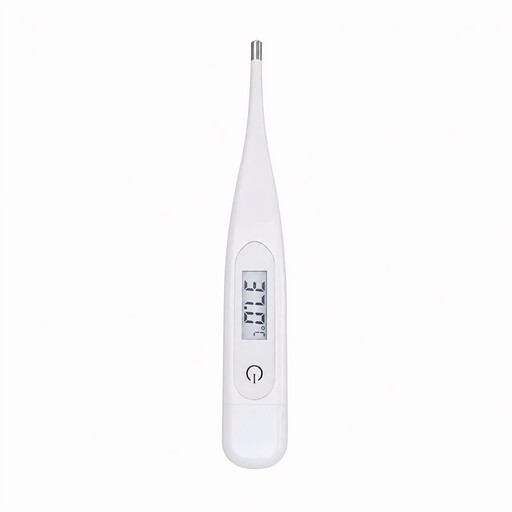
Why it suits this profile: This pen-style model is designed as a simple thermometer for the whole family and takes up very little space in a medicine cabinet or travel bag.
The product information makes it clear that this is a body thermometer, not a kitchen or surface thermometer. However, its measurement method requires contact and careful cleaning.
Resolution of 0.1 °C, switching between °C and °F, and a compact pen-style design.
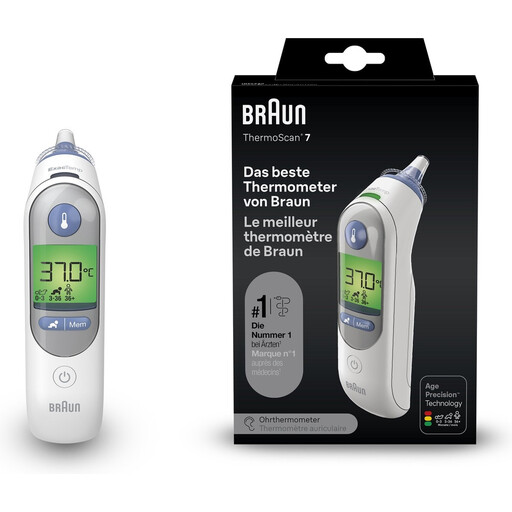
Why it suits this profile: Ideal for families looking for an ear thermometer with age settings, memory and accessories.
The product description mentions a pre-warmed measuring tip, ExacTemp positioning guidance and disposable caps. This makes positioning and hygiene a clear part of using the thermometer.
Age settings for 0–3 months, 3–36 months and adults; stores the last 9 readings.
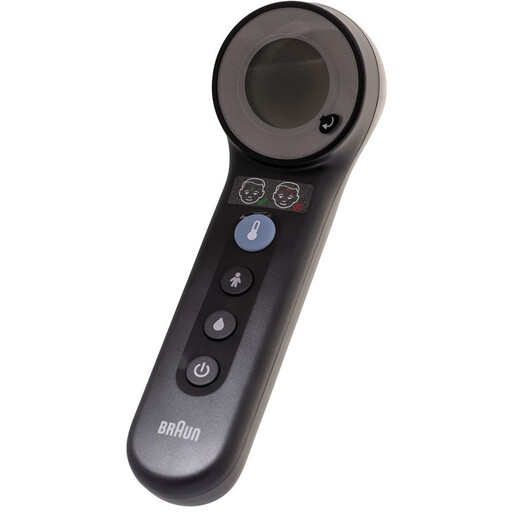
Why it suits this profile: Convenient for families who want to take contactless and touch readings for babies, children and adults.
The choice between touch and no-touch measurement means you do not need a different device for every situation. According to the product description, the model can also measure objects such as food and water; check the instructions for details.
Two measurement modes and an Age Precision function according to the product information; suitable for multiple age groups.
We have put together a complete, up-to-date list of products that fully meet these strict selection criteria and the applicable European safety requirements.
Its lifespan depends on battery use, cleaning and storage. Keep the device dry, prevent scratches to the sensor and remove the batteries if you will not be using it for an extended period. A pen-style model usually has few components, while an ear thermometer may involve extra costs for hygiene caps.
A forehead thermometer can be practical for a baby, especially when contact is difficult. Follow the specified distance and measurement conditions carefully. Some models have age settings, but a colour code or alert is no substitute for assessing the situation. If you are concerned about a temperature or other symptoms, contact a healthcare professional.
In addition to the purchase price, you may need to factor in batteries, protective caps and any cleaning products. A contactless forehead thermometer generally does not use a disposable cap, while an ear thermometer often requires hygiene caps. So do not look only at the price of the device; also consider the accessories included and any recurring costs.
