
Vandaag of morgen in huis

Kwaliteit gegarandeerd

Welkomstaanbiedingen ontgrendelen: GRATIS bezorging | Tot 80% korting | Gratis 30 dagen JoyPlus-proefperiode
Download de app
A digital scale may seem simple: step on it, read your weight and you’re done. Yet many people buy a model that does not really suit their day-to-day needs. A kitchen scale, for example, is not suitable for weighing people, while a smart bathroom scale may offer more functions than you will actually use.
When comparing models, pay particular attention to the weighing capacity, resolution, display and how you intend to use the scale. Below, you’ll discover which common pitfalls to avoid and which models are suitable for different households, home cooks and sports enthusiasts.
A scale showing lots of decimal places may sound appealing, but the right resolution depends on how you intend to use it. For a kitchen scale, an increment of 0.5 grams is useful for baking, coffee and portion control. For weighing yourself daily, a resolution of 0.05 or 0.1 kg is generally practical.
A precision scale for small quantities is not automatically suitable for heavy objects. Always check both the weighing increment and the maximum capacity.
Glass, stainless steel and a large LCD display can make a scale look appealing, but they do not tell you everything about how easy it is to use. A bathroom scale placed on carpet may show inaccurate results. A smooth glass surface can also become slippery when wet.
Place a bathroom scale on a hard, level and dry surface. Move the device as little as possible if you want to take measurements under comparable conditions.
A smart scale or body composition scale can send data to an app via Bluetooth. Brand product descriptions often mention BMI, muscle mass, body fat percentage or water percentage. These figures are intended to support personal tracking and are not a medical diagnosis.
BIA measurements also often require direct contact with the skin. According to the product information provided by the relevant brands, people with a pacemaker or another electronic implant should not use these body composition functions without medical advice. Also check whether the app is compatible with your phone and whether each member of your household can use their own profile.
Choose the capacity based on what you want to weigh:
One major difference between models is how the information is displayed. A scale with an LCD display generally uses clear figures, while some smart models combine an LED display with an app overview.
For cooking and baking, a scale with a tare function is practical. Place the bowl on the platform, press zero and then add your ingredients. This means you do not need a separate bowl for each ingredient.
Also check the available units. Grams and kilograms are the most logical choices in the Netherlands, while ounces and pounds are useful for international recipes. Some kitchen models also display millilitres, but the actual density of liquids can vary. Use this setting as a practical guide rather than a universal substitute for weighing.
A stable platform makes everyday use easier. Stainless steel is easy to wipe clean, while toughened glass is also simple to maintain but needs to be handled with care. Do not use a glass scale if it is damaged.
Also look out for:
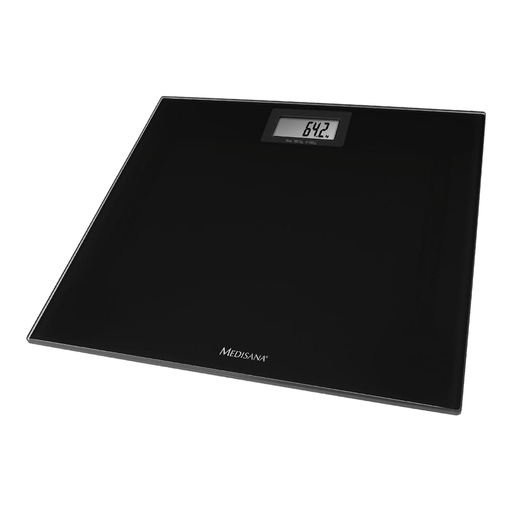
Why it suits this profile: This model focuses on simple daily weight measurements without an app or body composition functions.
You do not pay for features you may never use. However, make sure you place the scale on a hard, level surface.
Capacity up to 180 kg, selectable kilogram, pound and stone units, LCD display and automatic switch-off after 10 seconds.
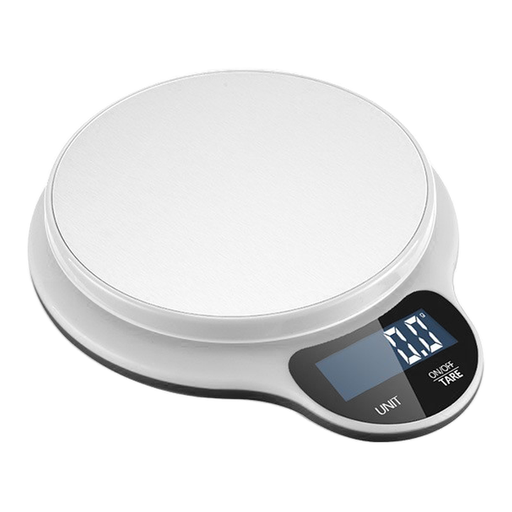
Why it suits this profile: For recipes, meal prep and portion control, this kitchen scale offers finer increments than models with 1-gram steps.
The tare function prevents the bowl’s weight from affecting your calculation. Remove the blue protective film from the surface before use.
Weighs up to 5 kg in 0.5-gram increments, with a stainless-steel platform, LCD display and batteries included.
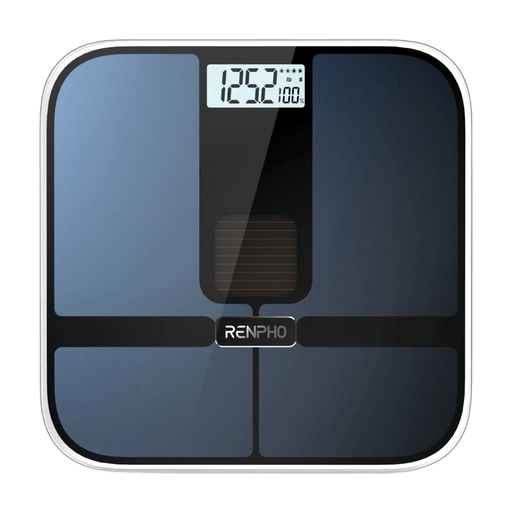
Why it suits this profile: This model is designed for households that want to synchronise measurements and track multiple body metrics.
The app connection makes it possible to track trends, but the stated BIA values remain indicators for home use rather than medical measurements.
According to the product description, the model measures 13 metrics, runs on solar cells, uses Bluetooth and automatically recognises users.
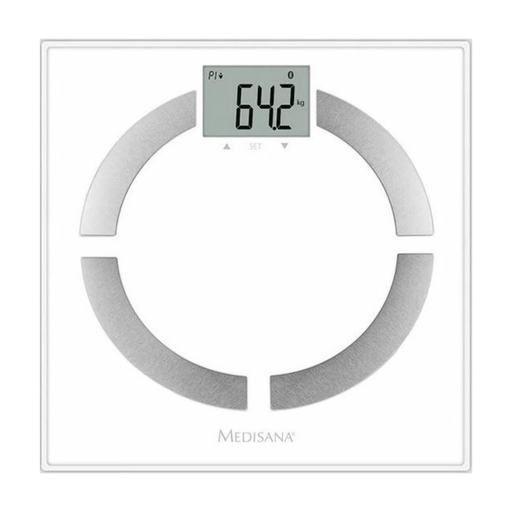
Why it suits this profile: Sports enthusiasts and users looking for a Bluetooth scale with body composition analysis get additional measurements alongside their weight.
The product information clearly states that body composition analysis is intended for additional monitoring. Use the model on a stable, hard surface and with bare feet.
Capacity up to 180 kg, weighing increments of 100 grams, Bluetooth support, safety glass and automatic switch-off.
For comparable measurements, positioning is more important than many consumers expect. Do not place a bathroom scale alternately on tiles and a rug. Ideally, weigh yourself at a set time and under similar conditions.
With a kitchen scale, place the device on a stable worktop. Use the tare function before adding new ingredients and do not exceed the maximum capacity. Clean the platform with a soft, slightly damp cloth unless the manual instructs otherwise. Electronic scales are generally not designed to be submerged.
For a smart scale, first check the Bluetooth connection, the correct app and the user profiles. Treat body composition readings as a way to monitor changes over time, not as a replacement for professional advice.
We’ve put together a complete, up-to-date list of products that fully meet these strict selection criteria and the applicable European safety regulations.
Place the scale on a hard, level and dry surface. Avoid carpet, thick mats and uneven tiles. Always use a bathroom scale in the same place and stand still during the measurement.
This varies depending on the model, battery type and frequency of use. Automatic switch-off helps reduce consumption. Check whether batteries are included and remove them from the device if you will not be using the scale for an extended period.
No. According to the product information for the models mentioned, body composition functions are intended for personal monitoring and reference. They are not a substitute for a medical diagnosis or professional advice. If you have questions about the readings, consult a healthcare professional.
