What should you look for when buying?
Start with the maximum setting for your longest resting period. Then consider whether you need timers running at the same time, a particular type of alarm or a specific way to position the timer.
| What to consider |
What to look for |
Who is this important for? |
| Setting range |
Compare the maximum countdown with the longest resting period in your recipe. TFA Dostmann lists a maximum of 99 hours, 59 minutes and 59 seconds for model 38.2025; HENDI states a maximum of 100 minutes for model 582046. |
If I’m monitoring one batch of dough through a long resting period, I want to be able to set the timer in one go. Around 36% of consumers prioritise a range that covers one full resting period. |
| Multiple timings |
Check how many timings you can set independently and whether you can see them at the same time. TFA Dostmann lists two simultaneous timings on a dual display; HENDI describes two independent timers. |
When batches or workshop steps overlap, I don’t want to keep replacing one countdown with another. Around 29% of consumers prioritise keeping track of multiple timings at once. |
| Alarm |
Check whether the volume is adjustable and whether there’s also a visual alert. TFA Dostmann lists three volume levels and an LED alert; HENDI lists three alarm modes and a red warning light. |
If I can’t keep looking at the timer during the workshop, I want an alert that suits the workspace. Around 21% of consumers prioritise an alarm that’s easy to notice. |
| Positioning and operation |
Check whether you can attach or stand the timer somewhere that’s easy to see. TFA Dostmann and HENDI list both a magnet and a stand. |
On a busy worktop, I want to be able to place or attach the timer somewhere within easy reach. Around 14% of consumers give positioning and operation top priority. |
Products at Joybuy
This selection includes timers for keeping track of dough resting, including digital visual timers and a mechanical kitchen timer. Check the maximum setting range and type of alert before choosing a model.
 No image available
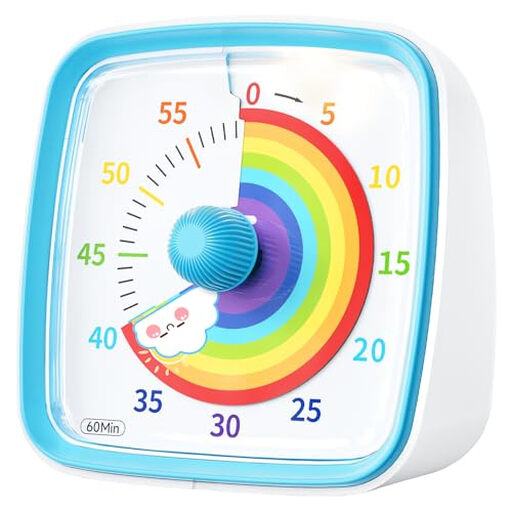
60-minute visual timer with night light
The visual progress display can help you track a dough rest of up to 60 minutes, but the countdown is silent.
Maximum countdown: 60 minutes. According to the product description, the night light comes on when the countdown ends.
View at Joybuy
 No image available
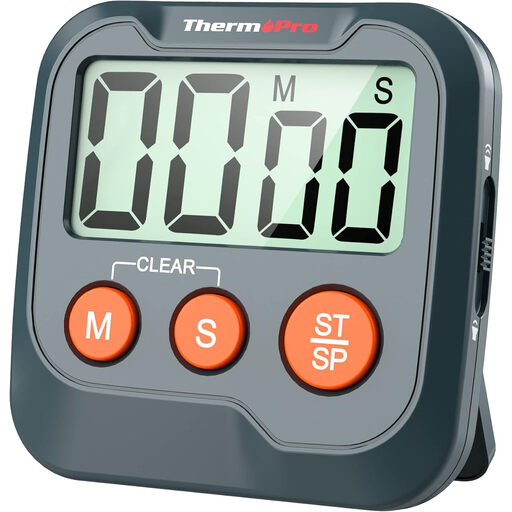
Digital interval timer with stopwatch, 99 min. 59 sec.
This timer can track a dough rest as long as it falls within the maximum countdown time.
Maximum countdown: 99 minutes and 59 seconds. The product information lists adjustable volume and positioning with a magnet, stand or hanging loop.
View at Joybuy
 No image available
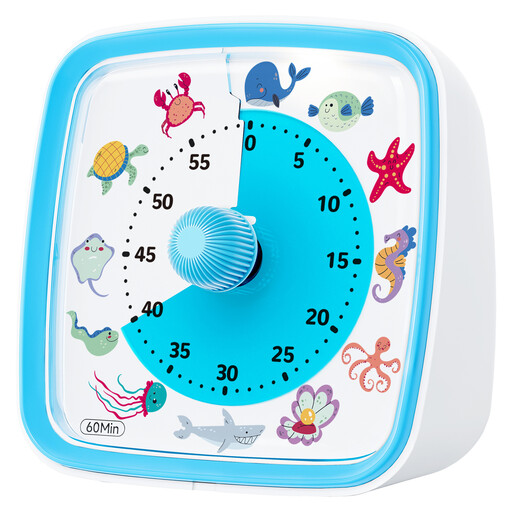
Visual timer for children, 60 minutes
The visible disc gets smaller as the timer counts down, so you can keep track of the time remaining for a resting period within its range.
Maximum countdown: 60 minutes. The product name states that it operates silently.
View at Joybuy
 No image available
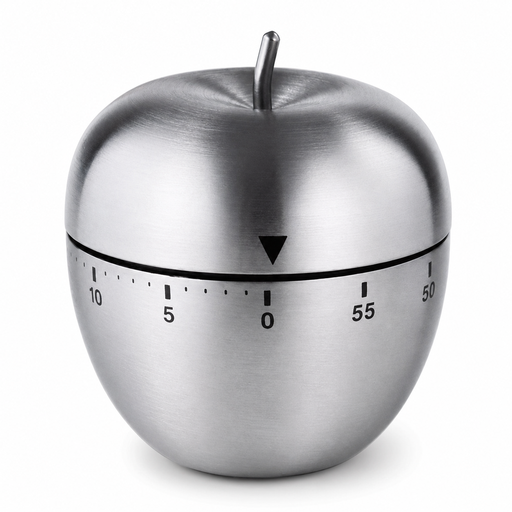
Mechanical battery-free stainless steel kitchen timer
This is a mechanical timer, not a digital kitchen timer; choose it only if a mechanical setting suits your workshop.
The product information lists an audible alarm. The timer starts at the 55-minute mark; check that the scale suits the duration you want to track.
View at Joybuy
Frequently asked questions
Can I tell from the alarm that the dough is ready?
No. Use the alarm as a reminder to assess the dough. According to King Arthur Baking, recipe timings are guidelines, and factors such as temperature affect how quickly dough rises.
How do I use timers for different workshop steps?
For overlapping steps, choose a model with independently settable timings and assign each timer to a step before you start. TFA Dostmann lists two simultaneous timings for model 38.2025; HENDI lists two independently settable timings for model 582046.
What cooling-off period and guarantee rights apply to an online purchase in the Netherlands?
For a typical online product purchase, ACM ConsuWijzer says you usually have up to 14 days from delivery to change your mind, with some exceptions. Statutory guarantees are separate from any manufacturer’s warranty, and there is no fixed two-year period in the Netherlands; what you can expect from the product depends on the product and the circumstances.
Does a digital kitchen timer need a CE marking?
That depends on the product rules that apply. According to Business.gov.nl, European safety and conformity rules apply to electrical and electronic equipment. If a specific version falls under CE rules, it must meet the relevant requirements. A CE marking is not a quality mark, and the general rules do not, on their own, confirm that every model mentioned complies.
Where can I take used batteries and a timer I’m throwing away?
The Dutch government states that used batteries can be taken to collection points, including shops that sell batteries. Electrical appliances that need mains power or batteries can be taken to designated collection points or your local council’s recycling centre.


