For weighing grains for lunch, a digital scale with a tare function is useful, so you can zero the scale with your container on it. Also check that the display remains visible once the container is in place. In a shared kitchen, an easy-to-wipe surface and a practical storage option matter too. A dynamo-powered model avoids batteries, but you need to operate it before weighing. The Brabantia Tasty+ dynamo model we looked at has a stated weighing range of 5 g to 5 kg. A display that measures in 1 g increments does not, by itself, prove that the scale is accurate.
Who is this buying guide for?
Anyone weighing lunch portions
You weigh rice, couscous or other grains for lunch and want to deduct the weight of your container. Keep uncooked and cooked weights separate: according to the Netherlands Nutrition Centre, 50 g of uncooked rice is about 130 g once cooked.
Anyone using a shared worktop
You want a surface you can wipe down after use and a scale that won’t get in the way. The Netherlands Nutrition Centre recommends using clean kitchen utensils; the models we looked at vary in their surfaces and storage options.
Anyone who wants to avoid batteries
You don’t want to keep spare batteries on hand and don’t mind winding up a dynamo-powered model before weighing. Also check the minimum weight specified for the particular version.
What should you look for when choosing?
| What to consider |
What to look for when buying |
Who this matters most to |
| Portion size and tare |
Check that the scale has a tare function, and whether your recipe or portion guidance refers to uncooked or cooked weight. The Netherlands Nutrition Centre says 50 g of uncooked rice makes about 130 g of cooked rice. |
When I weigh grains for lunch, I want to deduct the container and use the same basis as my recipe. Portion size and tare are the top priorities for around 36% of consumers. |
| Cleaning |
Check the material of the weighing surface and follow the cleaning instructions for the exact model. Wipeable doesn’t mean the whole appliance is waterproof or dishwasher-safe. |
In a shared kitchen, I want to be able to clean the surface easily after use. Cleaning is the top purchase priority for around 29% of consumers. |
| Storage and readability |
Compare the dimensions and any hanging option with the space you have available. Check with your own container that the display remains unobstructed. |
If I have limited worktop or storage space, I want a scale that fits and whose display I can still see with my container on it. Around 21% of consumers prioritise storage and readability. |
| Battery management |
Check the power source and the minimum weighing capacity specified for the model. A dynamo-powered model needs to be operated before use. |
In a shared kitchen, I want to avoid relying on replaceable batteries. Battery management is a top priority for around 14% of consumers. |
Common mistakes
-
Assuming ‘1 g increments’ means a guaranteed maximum error of 1 g
A display that measures in 1 g increments doesn’t, by itself, tell you how accurate or consistent a scale is. The Consumers’ Association describes accuracy and repeatability as separate aspects of its tests.
If small differences in weight matter to you, compare independent test results. Don’t treat the stated increment as a test result.
-
Treating the two Brabantia Tasty+ versions as the same model
The battery-powered and dynamo-powered versions differ in how they work and in their stated minimum weighing ranges. Brabantia specifies increments from 1 g for the battery version and a range starting at 5 g for the dynamo version.
Before buying, check the full model details and minimum range, especially if you regularly weigh small quantities.
The battery version requires three AAA batteries; the dynamo version works without batteries but needs to be activated before use.
-
Comparing uncooked and cooked grain portions directly
Grains absorb water as they cook. The Netherlands Nutrition Centre says that 50 g of uncooked rice becomes about 130 g when cooked.
Weigh your grains at the stage specified in your recipe or portion guidance, and note whether you’re using uncooked or cooked weight.
Brands to compare
Soehnle
The Page Compact 300 is a slim, hangable model for anyone who wants to tare a container and has limited storage space.
- According to Soehnle, the Page Compact 300 has a tare function, a 5 kg capacity, 1 g increments and comes with a CR2430 battery. The display digits are 1.2 cm high.
- Check that the display remains visible with your container on the scale. The stated increment does not independently confirm the scale’s accuracy.
Brabantia
The Tasty+ is available as a battery-powered and a dynamo-powered model, with different power sources and stated minimum weighing ranges.
- According to Brabantia, both versions have a tare function and a maximum capacity of 5 kg. The battery version has a backlit display and is specified from 1 g.
- The dynamo version is specified from 5 g and needs to be wound up before use. Don’t mix up the specifications for the two versions.
Beurer
The KS 19 Black is a slim model with a glass weighing surface and a tare function for use with your own container.
- Beurer specifies a maximum capacity of 5 kg and a display that measures in 1 g increments.
- According to Beurer, the display isn’t backlit. The manufacturer says the surface is easy to clean; that doesn’t mean the whole appliance is washable.
Tefal
The Optiss BC50U0V0 is worth comparing if you’re looking for a larger platform and a backlit display.
- According to Tefal, this model has a tare function, a 5 kg capacity and a 17.5 × 22.5 cm platform. The stated increments are 0.5 g up to 999 g and 1 g above 1 kg.
- A larger platform also needs more storage space. Check that your container fits without covering the display.
Products at Joybuy
These kitchen and coffee scales are options to compare for weighing grains for lunch. Check that the features and usage description for each model suit your needs.
 No image available
MELISSA Digital Kitchen Scale, black
The stated tare function is useful when weighing grains in a lunch container. The product description recommends cleaning with a soft, damp cloth.
Maximum 5 kg; 1 g increments; tare function; displays g, kg, lb, oz and ml.
Do not immerse or clean in the dishwasher.
Joybuy
 No image available
MELISSA Digital Kitchen Scales, white
The stated tare function is useful when weighing grains in a lunch container. The product description recommends cleaning with a soft, damp cloth.
Maximum 5 kg; 1 g increments; tare function; displays g, kg, lb, oz and ml.
Do not immerse or clean in the dishwasher.
Joybuy
 No image available
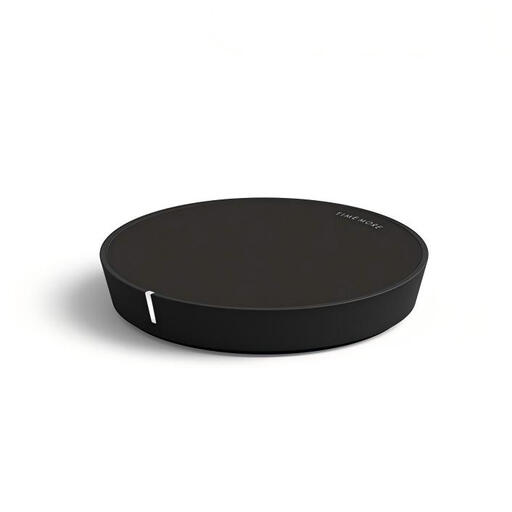
TIMEMORE Coffee Scale DOT
The product name mentions espresso and pour-over use; check whether its features suit your needs for weighing grains for lunch.
The product name mentions a coffee-to-water ratio, water flow function, timer and switching between ounce and kg units.
Joybuy
 No image available
TIMEMORE Coffee Scale Basic 3.0, Black
The product name mentions espresso and pour-over use; check whether its features suit your needs for weighing grains for lunch.
The product name mentions a coffee-to-water ratio, water flow function, timer and switching between ounce and kg units.
Joybuy
 No image available
TIMEMORE Coffee Scale Basic 2.0 Electronic, White
The product name mentions use for kitchen, baking and cooking; the stated tare function could be handy when weighing food in a lunch container.
The product description specifies a capacity of 2,000 g, sensitivity of 0.1 g, a timer, water flow function and USB-C charging.
Do not immerse; the description recommends cleaning with a damp cloth.
Joybuy
Frequently asked questions
Should I weigh rice for lunch before or after cooking?
Follow the weighing basis given in your recipe or portion guidance. The Netherlands Nutrition Centre says rice becomes about 2.6 times heavier when cooked: 50 g of uncooked rice is about 130 g once cooked. Tare your container first, and keep track of which weighing basis you’re using.
How do I keep a scale clean when it’s shared?
Use clean kitchen utensils and follow the cleaning instructions for the exact model. Brabantia describes the glass surface of the battery-powered Tasty+ as wipeable; that doesn’t mean you can immerse the electrical appliance.
What if the scale breaks too soon during normal use?
According to ACM ConsuWijzer, in the Netherlands you’re entitled to a product that works as it should, in addition to any manufacturer’s guarantee. If a product used normally doesn’t meet what you could reasonably expect, the seller is responsible for providing a solution at no cost, such as a repair or replacement. There isn’t simply one fixed statutory guarantee period that applies to every kitchen scale.
Does a scale for weighing my own lunch need to be legally approved?
The Dutch Authority for Digital Infrastructure links requirements for legally approved scales, among other things, to their use in setting a selling price. Weighing your own lunch isn’t a commercial transaction. If the same scale is used to sell goods by weight, assess that use separately.


