
Office teams looking to share a biscuit
For a break without toppings or serving preparation, a digestive biscuit is a good fit for the biscuit tin. Jumbo and Albert Heijn offer these biscuits ready to eat; a cracker serves a different purpose.


Choose digestives if colleagues want to grab a biscuit from the tin to enjoy with coffee or tea, without any preparation. Choose crackers or crispbread for a snack with toppings. A wholemeal digestive is still a biscuit, while a gluten-free option is only suitable if the other allergens listed on the packaging are also suitable for your team.
For a break without toppings or serving preparation, a digestive biscuit is a good fit for the biscuit tin. Jumbo and Albert Heijn offer these biscuits ready to eat; a cracker serves a different purpose.
If you want to keep offering biscuits, compare the nutritional information for standard and wholemeal varieties. Jumbo lists 5.8 g of fibre per 100 g for its Digestive Volkoren. A wholemeal cracker is an alternative if you also want something that can be topped.
Before filling a shared tin, check the allergens for the exact product variety. For example, according to the product information, gluten-free Schär Digestive Landtaler contains soya and may contain lupin and egg. Gluten-free does not mean allergen-free.
First decide whether the tin should hold a ready-to-eat biscuit or a base for toppings. Then compare the ingredients, nutritional information and allergens for your chosen product against the current packaging.
| What to consider | What to check when buying | Who it matters to |
|---|---|---|
| Ready-to-share biscuit | Check that it is a biscuit you can eat without toppings, and look at the storage instructions for after opening. | When I grab something from the tin during a coffee break, I don’t want to have to prepare toppings. For around 36% of consumers, being ready to enjoy straight away is the top priority. |
| Wholemeal and fibre | Compare the ingredients and fibre per 100 g for the exact variety. Jumbo lists 5.8 g for Digestive Volkoren and 3.1 g for Krokante Digestive. | I want to keep offering biscuits, but I look for wholemeal ingredients and fibre when choosing. Around 29% of consumers give this comparison top priority. |
| Allergens and gluten-free options | Read the allergens and warnings about possible traces of other allergens on the current packaging. Check gluten-free varieties separately too. | If colleagues need to avoid certain ingredients, I need to know whether this particular pack is suitable for them. Around 21% of consumers put this check first. |
| A base for toppings | Consider whether you have toppings and a suitable occasion for serving them. A cracker or crispbread is not a sweet biscuit. | For a topped snack or lunch, I’d rather have something designed for the job, even if it takes some preparation. Around 14% of consumers put suitability for toppings first. |
The product name does not tell you whether a biscuit affects digestion. Choose based on how you plan to use it, its ingredients and its nutritional information, rather than what the name suggests.
For the variety you’re considering, compare details such as fibre and sugars per 100 g on the label.
The Jumbo wholemeal digestive we looked at contains wheat. According to its product information, the gluten-free Schär biscuit contains soya and may contain lupin and egg.
Check wholemeal ingredients, gluten and other allergens as separate properties of the pack you’re buying.
Bolletje and Melba crackers are designed to be eaten as crackers or as a base for a snack, not as the same kind of biscuit as a digestive.
Choose crackers for a topped snack or lunch. For a no-preparation break, opt for a ready-to-eat biscuit.
A snack with toppings may also require toppings, serving equipment and preparation.
For the digestives we looked at, Jumbo and Albert Heijn recommend sealing them well after opening or storing them in a sealed tin.
Follow the storage instructions on the packaging and close the tin securely between breaks.
AH Digestive is a classic biscuit, sold in a 400 g pack.
Jumbo offers both Krokante Digestive and Digestive Volkoren, in 400 g packs.
Digestives Original is a wheat biscuit for anyone looking for something to enjoy with coffee or tea.
Digestive Landtaler is a gluten-free biscuit sold in a pack of 3 × 50 g.
Lichte Crackers Volkoren are a wholemeal cracker option for a snack with toppings, not digestive biscuits.
Crackers Naturel are thin crackers for a snack, lunch or topped bites.
Lidl lists 400 g packs of plain Digestives as a shop product and sells Sondey as a separate biscuit range.
Biscotto Digestive Biscuits are wheat biscuits for a classic biscuit break.
These Joybuy products suit two different kinds of break: digestives to share as ready-to-eat biscuits, or crackers and crispbread for a separate snack or a meal with toppings.
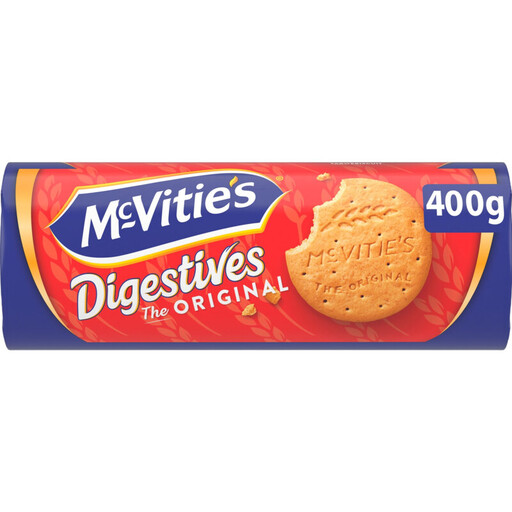 Image unavailable
A biscuit for a coffee break when colleagues want to grab something from the tin without adding toppings.
If you have allergies, check the current label for wheat and the warning about possible traces of milk.
 Image unavailable
A cracker for anyone planning a separate snack or meal with toppings instead of a tin of sweet biscuits.
Check the grains and other allergens on the current packaging for your team, and allow for some preparation if you’re serving toppings.
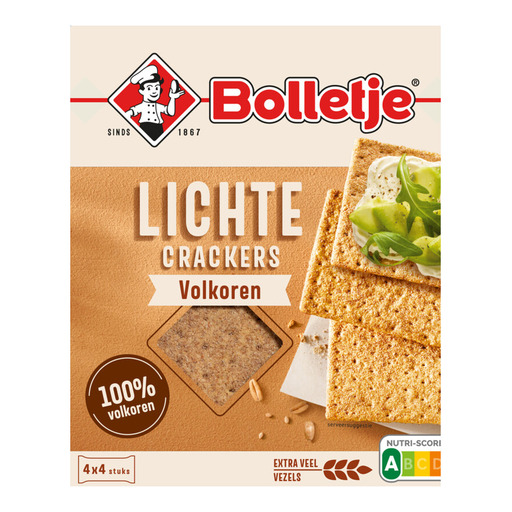 Image unavailable
A wholemeal cracker for a planned snack or meal with toppings, rather than as a ready-to-eat digestive.
If you have allergies, check the label for the grains and sesame listed.
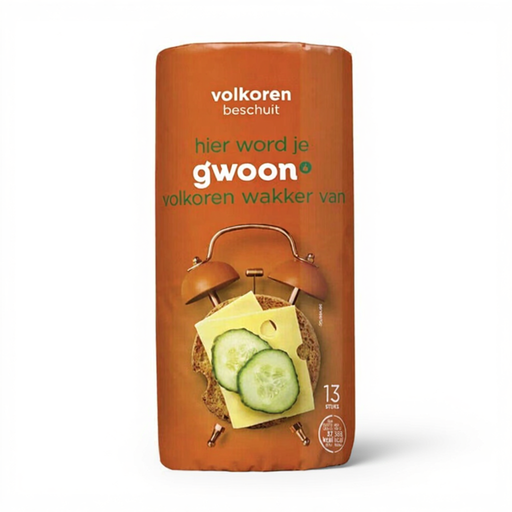 Image unavailable
A wholemeal base for toppings at a planned breakfast or snack, rather than for a tin of biscuits to enjoy with coffee.
If you have allergies, read the current ingredients and allergen information before sharing.
No. The digestives we looked at are sold as biscuits, while Bolletje and Melba describe their products as crackers. Choose a digestive for a biscuit you can eat without toppings, or a cracker for a base you can add toppings to.
Close the tin securely after use and follow the storage instructions on the packaging. Jumbo recommends sealing its digestives well after opening, while Albert Heijn advises storing them in a sealed tin.
No. The name is not a reason to assume the biscuit has an effect on digestion. When comparing products before you buy, look at the ingredients and nutritional information for the exact variety.
Yes. Read the current packaging before putting a product in a shared tin. Albert Heijn warns that ingredients, nutritional and allergen information can change. Also look out for warnings about possible traces of other allergens.