
If you want to serve a biscuit with coffee
You’re looking for a sweet biscuit that you can serve on its own. A plain digestive suits this style of serving; check the pack size if you’re expecting several guests.


Choose a plain digestive if you want to serve a sweet biscuit with coffee without any preparation. Choose crackers or Melba toast if you want something to top or would also like to offer a savoury option. If you need to consider sugar or gluten, check the specific product variant: a 0% sugar option may contain sweeteners, and a standard digestive is not necessarily gluten-free. If anyone has dietary requirements, check the latest label before serving anything to your guests.
You’re looking for a sweet biscuit that you can serve on its own. A plain digestive suits this style of serving; check the pack size if you’re expecting several guests.
You don’t want to rely on the biscuit’s name alone. Compare the ingredients and allergens for each variant, especially if a guest needs to avoid gluten or wants to cut down on sugar.
You’re looking for a base for sweet or savoury toppings, rather than a sweet biscuit to enjoy on its own. Crackers or Melba toast suit this way of serving, provided their ingredients are suitable for your guests.
First, decide whether you want to serve a sweet biscuit on its own or a base for toppings. Then compare the portions, nutritional information and allergens that matter to your guests for each product.
| What to consider | What to check when buying | Who is this most important for? |
|---|---|---|
| Ready to serve | Check that you’re choosing a digestive biscuit, and look at the pack weight and serving size. | If I want to serve a sweet biscuit with coffee without any toppings, I want to know how many portions are in the pack. Around 40% of consumers put serving straight from the pack first. |
| Allergens and gluten | Read the ingredients and allergen information on the latest label. If you need a gluten-free option, look for an explicit gluten-free claim. | If a guest needs to avoid gluten, I can’t assume a standard digestive is suitable based on its name. This is the main concern for around 30% of consumers. |
| Sugars and sweeteners | Compare the sugars and other nutritional information per 100 g and per portion. For a 0% sugar option, also check the ingredients and any usage warnings. | If cutting down on sugar is my deciding factor, I also want to know which sweeteners an alternative contains. Around 20% of consumers prioritise this as their main requirement. |
| Base for toppings | Choose crackers or Melba toast if you want to add toppings, and check the ingredients of the toppings too. | For a table of sweet and savoury snacks, I want a base I can top as I like. Around 10% of consumers prioritise this style of serving. |
A digestive is a sweet biscuit, while Melba Crackers are sold as crackers. This difference determines whether you’re putting out a biscuit to enjoy on its own or a base for toppings.
Choose how you want to serve them first, then compare variants, pack sizes and nutritional information.
Albert Heijn and Jumbo’s standard digestives list wheat or gluten. Even a digestive specifically labelled gluten-free may contain other allergens: Jumbo lists soya in Schär Digestive Landtaler.
If needed, choose a product explicitly labelled gluten-free and read the full, latest label to check for other allergens.
Albert Heijn also lists polyols for AH Digestive 0% sugar and warns that excessive consumption may have a laxative effect. So the claim on the front of the pack doesn’t tell you everything about what’s inside.
As well as the sugars, check the ingredients, serving size and other nutritional information.
Ingredients and nutritional information can vary between product variants. This is particularly important when serving food to guests with allergies or other dietary requirements.
Check the packaging of the product you actually buy, even just before serving.
Albert Heijn stocks a standard AH Digestive and a separate AH Digestive 0% sugar, both in 400 g packs.
Jumbo lists a 400 g Krokante Digestive Biscuit and also sells Schär Digestive Landtaler as a separate gluten-free product.
Biscotto Digestive Biscuits is a classic digestive in ALDI’s range.
Lidl lists 400 g packs of plain Digestives as a supermarket product.
Melba Crackers are a base for toppings, rather than a sweet digestive.
These products offer two ways to serve: a standard digestive as a biscuit to enjoy on its own, and crackers or crispbread for anyone who wants something crunchy, perhaps with a topping. They’re different types of products, so don’t choose something just because it’s called a ‘cracker’ if what you’re looking for is a sweet digestive.
 Image unavailable
A standard digestive for anyone who wants to serve a biscuit with coffee. The pack contains 400 g. If anyone has dietary requirements, check the ingredients and allergens on the latest label.
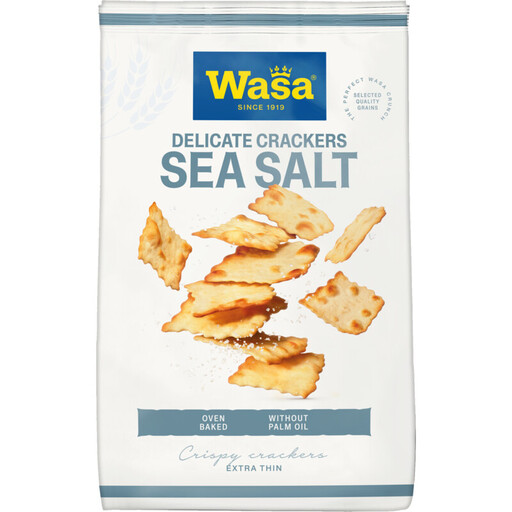 Image unavailable
Sea salt crackers for anyone who’d also like to serve something savoury with coffee. The pack contains 180 g. Check the ingredients of the crackers and any dips or toppings you plan to serve.
 Image unavailable
A cracker option rather than a sweet digestive. The pack contains 300 g. Compare the nutritional information if fibre is a factor in your choice, and check the allergens for your guests.
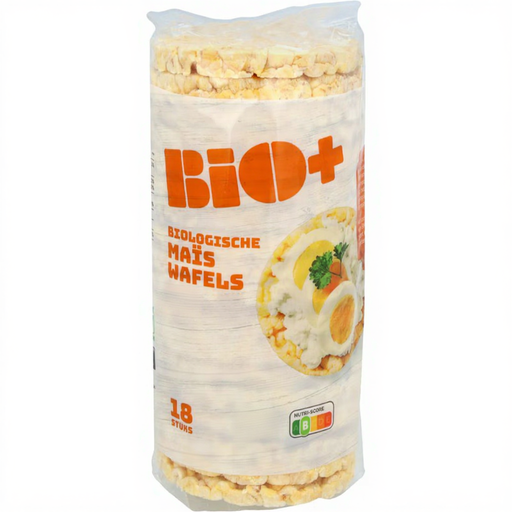 Image unavailable
Sea salt corn crackers for anyone who wants to serve crackers on their own or with toppings. The product name specifies 18 pieces; check the packaging to work out how many you’ll need per person and check the allergens.
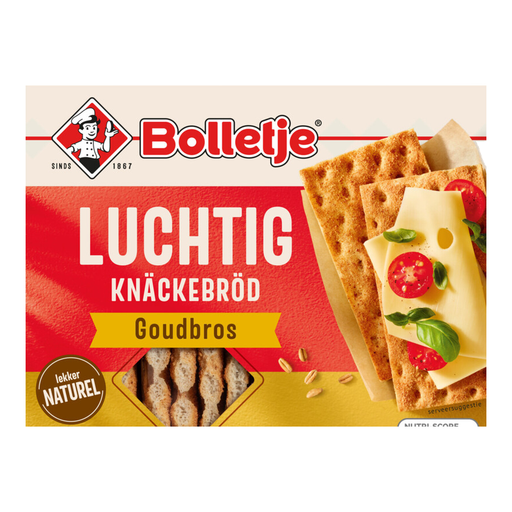 Image unavailable
Crispbread for anyone who wants to serve something with toppings, rather than digestive biscuits. The pack contains 240 g. Decide in advance what you’d like to serve on top, and check the allergens on both packs.
No. Digestives are sweet biscuits that you can serve on their own; crackers and Melba toast offer a different kind of base, for toppings, for example. So first decide what you want to put on your coffee table.
Don’t assume they’re suitable: Albert Heijn and Jumbo’s standard digestives list wheat or gluten. If needed, choose a product explicitly labelled gluten-free and check for other allergens too. For example, Jumbo lists soya in its gluten-free Schär Digestive Landtaler.
No. That claim doesn’t tell you everything about the ingredients or serving sizes. For AH Digestive 0% sugar, Albert Heijn lists 14 g of polyols per 100 g and warns that excessive consumption may have a laxative effect, so read the full label.
Check the ingredients list and allergen information on the latest packaging for every product you serve, including any toppings. According to the Netherlands Food and Consumer Product Safety Authority, allergens that must be declared need to be clearly distinguished from the other ingredients.
Seal the pack tightly after opening and follow the storage advice on the packaging. For the digestive it reviewed, Albert Heijn recommends storing it in a sealed tin; Jumbo advises keeping its reviewed digestive tightly sealed and in a dark place.