
If you want a sweet biscuit with your tea
A digestive is a good choice for a tea break when you fancy something crisp without a topping. Albert Heijn also describes its wholemeal digestive as a biscuit to enjoy with tea or coffee.


Choose a digestive if you want a sweet biscuit with your tea without any topping. For savoury or creamy toppings, melba toast or another crisp toast is better suited to the job. If you need a gluten-free option, check the claim on the current packaging and look out for other allergens too.
A digestive is a good choice for a tea break when you fancy something crisp without a topping. Albert Heijn also describes its wholemeal digestive as a biscuit to enjoy with tea or coffee.
For spreads or savoury toppings, the shape of the toast matters more than its suitability as a sweet biscuit. Think about how you plan to serve it: straight after adding the topping, or later on.
A gluten-free claim doesn’t answer every question about allergens. Check the ingredients and statements such as ‘contains’ and ‘may contain’ on each pack. The Netherlands Food and Consumer Product Safety Authority notes that allergen information for prepacked products appears on the label.
First decide whether you want a biscuit to eat on its own or something to carry a topping. Then compare the nutritional information and, if relevant, check the allergens in each product.
| What to consider | What to check when buying | Who it matters to |
|---|---|---|
| A sweet biscuit with tea | Choose a biscuit to enjoy without a topping; if you like, compare the sugars and salt per 100 g. | If you want something sweet without a topping with your tea, look for a biscuit you can eat as it is. Around 36% of consumers put this sweet tea-time treat first. |
| Toast for toppings | Check the size and consider any crispness claim in relation to the topping you plan to use. | When I serve savoury or creamy bites, I want the toast to hold the topping without going soft too quickly. This is the main consideration for around 29% of consumers. |
| Wholemeal and fibre | Compare fibre, sugars and salt on the same basis, per 100 g. Don’t rely on the word ‘wholemeal’ in the name alone. | When choosing between biscuits, I want to know what the wholemeal option contains in terms of sugars and salt, as well as fibre. This comparison comes first for around 21% of consumers. |
| Gluten and allergens | Check the current gluten-free claim, ingredients and allergen statements on the packaging. | If you need to avoid gluten or another specific allergen, you’ll need to check the product label against your own requirements. Around 14% of consumers give this their highest priority. |
For the AH Digestive Wholemeal product tested, Albert Heijn lists 6 g of fibre, 20 g of sugars and 1.15 g of salt per 100 g. The regular AH Digestive contains 3.2 g of fibre, 16 g of sugars and 0.78 g of salt per 100 g. So, in this comparison, more fibre doesn’t mean less sugar or salt.
Compare the nutritional information for each option side by side, always using the per-100 g figures.
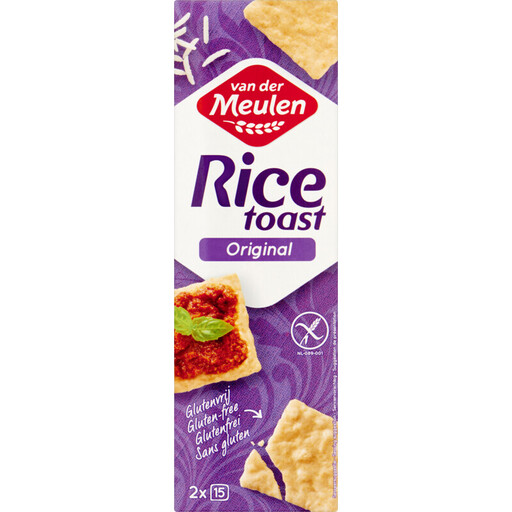
According to the product information, Schär Digestive Landtaler contains soya and may contain egg and lupin. The Van der Meulen Rice Toast Original described by Jumbo may contain sesame and soya.
Check the current packaging for every allergen that matters to you, even when a product is labelled gluten-free.
The 2008 agreement on bakers’ salt from the Ministry of Health, Welfare and Sport describes bakers’ salt as iodised table salt used for bread and other baked goods. The word ‘salt’ on a pack alone doesn’t tell you which salt was used in that specific product or how much iodine it contains.
If iodine information matters to your choice, ask the manufacturer about the product in question.
Haust says in its product description that Krokant Toast stays crisp for longer when topped. That claim alone doesn’t tell you how it will hold up with your chosen topping. The version tested also contains 1.6 g of salt per 100 g.
Choose a size that suits your topping, compare the salt content and, where possible, add the topping just before serving.
The AH Digestive varieties tested are biscuits for a sweet treat with tea.
Toast varieties for small topped bites, alongside a separate rice toast option.
Krokant Toast is designed as a base for topped bites.
Digestive Landtaler is a biscuit labelled gluten-free for a sweet treat.
These products show different ways to serve something crisp with tea: a digestive without a topping, melba toast or a cracker for toppings, and rice toast. A cracker is not the same product as melba toast.
 No image available
A digestive for anyone who wants a biscuit with their tea without a topping. Compare the nutritional information per 100 g and check the allergens on the packaging to help you decide.
 No image available
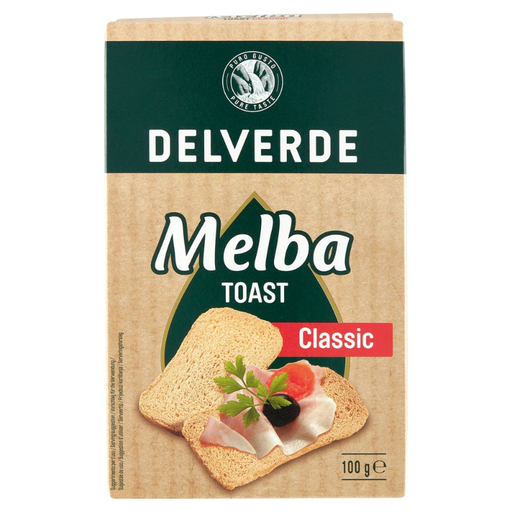
Melba toast for anyone who wants to serve small topped bites instead of a sweet biscuit. Check the packaging for ingredients, allergens and salt per 100 g.
 No image available
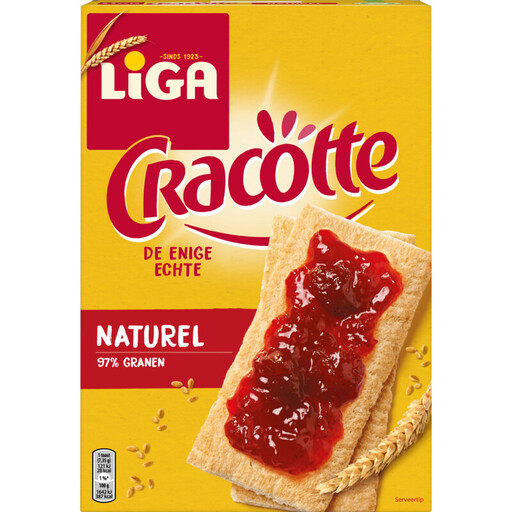
A cracker for anyone looking for a different base for toppings. It isn’t a digestive or melba toast, so choose this type of product only if it suits the bite you want to make.
 No image available
Rice toast for anyone who wants to consider a toast option alongside a digestive. If you need to avoid gluten or other allergens, check the claims and allergen information on the current packaging for this variety.
No. In this context, a digestive is a biscuit you can eat with tea without a topping; toast is mainly used as a base for toppings or dips. So first decide how you want to serve your snack.
No. For the wholemeal AH Digestive tested, Albert Heijn lists 20 g of sugars and 6 g of fibre per 100 g, compared with 16 g of sugars and 3.2 g of fibre per 100 g for the regular variety. If you’re choosing between these biscuits, compare the salt content too.
Yes. According to the product information, Schär Digestive Landtaler contains soya and may contain egg and lupin. Check the current packaging for all allergens relevant to you; a gluten-free claim doesn’t replace this check.
No, you can’t tell the iodine content of a particular piece of toast from that statement alone. The Netherlands’ 2008 agreement on bakers’ salt describes it as iodised table salt, but this doesn’t confirm which salt was used in an individual product. If you need product-specific information, ask the manufacturer.