Which option is right for you?
First decide whether you want to hand out something ready to eat or make small bites with toppings. For these types of product, that difference matters more than their similarly crisp texture.
Making topped bites
You’re looking for a toast base for small savoury bites. Thin Melba toast is an option for light toppings. If keeping it crisp after adding toppings is essential, check the product description for the particular crisp toast you’re considering; don’t assume all toast behaves in the same way.
Taking along a plain biscuit
You want something you can hand out or eat without toppings or preparation, perhaps with coffee or tea. The digestives covered here are sold as biscuits, not as toast for savoury toppings.
Checking labels for guests
You take ingredients or allergens into account when serving food, or want to compare sugar, salt and fibre between options. Check the label on the product you choose: ingredients and nutritional values can vary even within the same product type.
What should you look for when choosing?
First choose between a plain biscuit and toast for toppings. Then compare options within that product type, focusing on what matters to your guests.
Digestive biscuit
Choose this if: you want to take along or hand out a plain biscuit.
Bear in mind: a digestive is sold as a biscuit, so it’s not the same type of product as toast for toppings. A wholemeal option doesn’t automatically contain less sugar or salt, either.
Melba toast
Choose this if: you’re looking for a thin base for small bites with light toppings.
Bear in mind: check the allergens on each pack, and add toppings at a time that suits how crisp you want the toast to be.
Crisp toast
Choose this if: keeping toast crisp once topped is important to you, and the description of the specific product makes this claim.
Bear in mind: Haust makes this claim about its own Krokant Toast; it’s not a proven feature of all crisp toast. Also check the ingredients if you’re serving guests with allergies.
| What to consider |
What to check |
Who is it important for? |
| Toppings and crispness |
Check whether it’s Melba toast or another type of toast suitable for toppings. Treat claims about staying crisp as applying only to the product named. |
If I want to serve small savoury bites, I need a base that works with my toppings. For around 36% of consumers, suitability for toppings and crispness come first. |
| Plain biscuit |
Check the pack size and storage instructions if you want to take biscuits along in advance or store an opened pack. |
I want to be able to hand out something plain, with no toppings or preparation, during the parade. A ready-to-eat biscuit is the top priority for around 29% of consumers. |
| Wholemeal and fibre |
Compare fibre, sugar and salt per 100 g on the packs; don’t treat the word wholemeal as an indication of the overall nutritional value. |
When I’m choosing between digestives, I want to know how much fibre the option actually contains. For around 21% of consumers, this comparison is the deciding factor. |
| Ingredients and allergens |
Read the current ingredients and allergen information. For a 0% sugar option, also check which sweeteners and warnings are listed on the pack. |
If I’m offering food to guests, I need to be able to check whether the ingredients are suitable for them. For around 14% of consumers, checking the label is their main concern. |
Brands and own-label options to consider
These examples can help you compare specific product ranges; a brand name alone doesn’t tell you what every option contains.
Albert Heijn
In this comparison, the own-label range includes standard and wholemeal digestives, a 0% sugar option and Melba toast. If you already shop at this supermarket, it’s worth comparing the individual options.
- AH Wholemeal Digestive is described as a biscuit made with wholemeal wheat flour and wheat flour.
- AH Digestive 0% Sugar carries a warning about excessive consumption; check the ingredients and allergens for the other options, too.
Jumbo
The own-label range includes both a crisp and a wholemeal digestive. You can compare the nutritional information for these two biscuits on the same basis.
- Jumbo’s product information lists 5.8 g of fibre per 100 g for Digestive Wholemeal and 3.1 g per 100 g for Crisp Digestive Biscuit.
- Look beyond the difference in fibre and check the other nutritional values too; wholemeal doesn’t tell you everything about the nutrition table.
Van der Meulen
In this comparison, Van der Meulen Melba Toast Naturel is a thin toast for small bites with light toppings.
- The product description mentions sliced pieces that are toasted until crisp.
- Check the allergen information for this option if you’re serving guests with food allergies.
Haust
Haust Krokant Toast is worth considering if you want to add toppings to your toast before serving.
- According to Haust’s own product description, this toast stays crisp for extra long after toppings are added. This claim applies to this product; it’s not the result of a comparison test with other toast.
- The option covered here lists egg, wheat, rye and barley among its allergens. Before serving, also read the latest information about possible traces.
Melba toast for topped bites on Joybuy
These two Melba toast options are suited to making small bites with toppings for the parade. They aren’t an alternative if you’re looking for a plain digestive biscuit.
 No image available
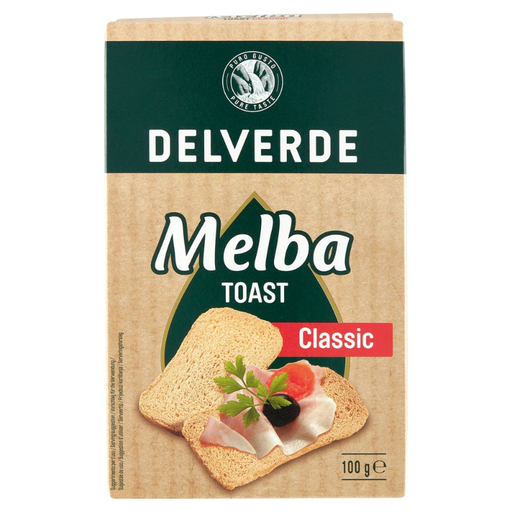
Delverde Classic Melba Toast 100 g
Melba toast to consider if you want to make small bites with light toppings.
Joybuy’s product information lists wheat and barley. If you have allergies, check the current label before serving the toast.
View on Joybuy
 No image available
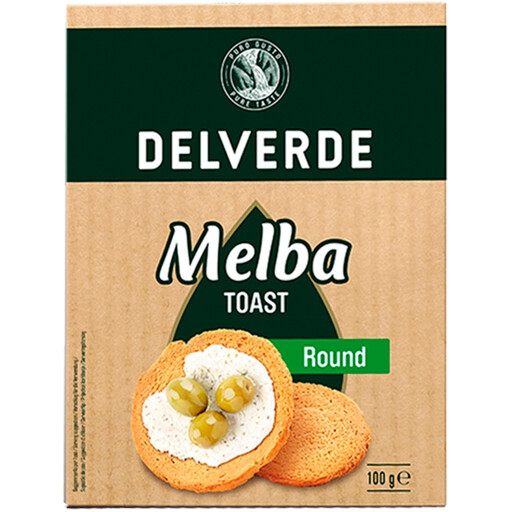
Conimex Delverde Melba Toast Round 100 g
Round Melba toast is an option if you want to serve small, individually topped bites.
Before serving, check the allergen information on the pack, especially if any guests have food allergies.
View on Joybuy
Frequently asked questions
Is a digestive the same as toast for topped bites?
No. The Dutch digestives covered here are sold as biscuits, while Melba toast and crisp toast are described as bases for small bites with toppings. Choose according to how you want to serve them during the parade.
Are the digestives and toast products mentioned gluten-free?
No, don’t assume that the options covered here are gluten-free: the AH and Jumbo digestives covered here list wheat, Van der Meulen Melba Toast lists wheat and barley, and Haust Krokant Toast lists wheat, rye and barley, among other allergens. If you need a gluten-free option, choose a product that is explicitly labelled as such and always check the current label.
Does 0% sugar mean I can hand out AH Digestive 0% Sugar without limits?
No. This option lists polyols and carries a warning that excessive consumption may have a laxative effect. Read the pack and bear portion sizes in mind when serving.
Does Dutch toast or biscuit always contain iodine from baker’s salt?
No, you can’t tell that from the product type. According to the Netherlands Nutrition Centre, bakers aren’t required to use iodised baker’s salt. Check the information for the specific product or ask the manufacturer if iodine is relevant to your choice.


