
If you’re hosting guests with different needs
You’re looking for biscuits to serve with coffee or tea, or as part of a dessert, and want to check the ingredients and allergens before putting them out.


Choose a plain digestive if you’re looking for a classic biscuit to enjoy with coffee or use as a dessert base. If fibre is your main priority, compare wholemeal digestives per 100 g. Speculaas has a different, caramelised or spiced flavour, so it isn’t interchangeable with a digestive. If you’re serving guests, check the allergens on the current packaging. For a 0% sugar option, check the sweeteners and warnings too.
You’re looking for biscuits to serve with coffee or tea, or as part of a dessert, and want to check the ingredients and allergens before putting them out.
You’re comparing plain and wholemeal digestives, looking at fibre as well as sugar and salt per 100 g.
You’re considering speculaas as well as digestives to serve with coffee or use in a dessert, and are choosing a different flavour deliberately.
First, find out whether any guests’ allergies limit your choice and decide what kind of biscuit you want to serve. Then compare the nutritional information of similar products per 100 g, as recommended by the Netherlands Nutrition Centre, and choose a pack that suits your plans.
| What to consider | What to check when buying | Most relevant if you |
|---|---|---|
| Allergens | Read the current ingredients and allergen information, including any warnings about traces. | When you’re putting biscuits out for someone with a food allergy, you need to be able to check which ingredients they contain. Suitability for guests is the top priority for around 31% of consumers. |
| Fibre and nutritional value | Compare similar digestives per 100 g for fibre, sugar and salt; check the ingredients list too. | If you want a wholemeal digestive for its fibre, you’ll also want to see how its sugar and salt content compares with a plain version. Around 25% of consumers prioritise this comparison. |
| Flavour and occasion | Choose between a classic digestive and spiced or caramelised speculaas; check the specific product variant. | You’ll want something different for a dessert base than for a more distinctive biscuit to have with coffee. For around 25% of consumers, the occasion determines their first choice. |
| Pack size and availability | Check the weight and, where stated, the number of biscuits; check where the product is available before buying. | If you’re buying for guests or a recipe, you’ll want to know whether one pack is enough and whether you can get it from your chosen retailer. Around 19% of consumers prioritise this practical planning. |
The name doesn’t tell you how much fibre, sugar or salt a biscuit contains. Product information from Albert Heijn and Jumbo shows that these values also vary between plain and wholemeal digestives.
Compare similar biscuits per 100 g and read the nutrition table alongside the ingredients list.
For AH Digestive 0% sugar, Albert Heijn lists sweeteners and a warning that excessive consumption may have a laxative effect.
Check which sweeteners are in the product you choose, and read the warning before serving it to guests.
A familiar-looking biscuit may contain allergens. According to the product information, classic Lotus Biscoff contains wheat and soya; Jumbo’s information for McVitie's Digestives Original lists wheat and the possible presence of milk.
Check the current packaging just before serving and keep it available for guests who want to check the ingredients.
Lidl lists Digestives naturel as a store product. A product listing doesn’t mean it will be in stock when you do your Christmas shopping.
Check availability at your chosen store before relying on a particular biscuit.
Classic speculoos for anyone looking for a caramelised biscuit to enjoy with coffee or use in a dessert.
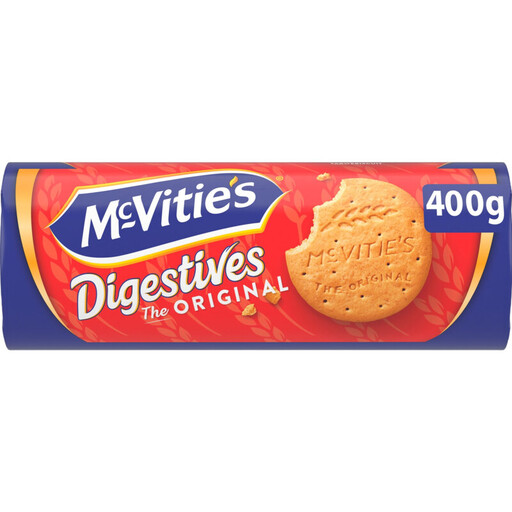
Digestives Original is a classic digestive; the pack described by Jumbo contains 400 g.
The own-label range includes a plain digestive, a wholemeal version and AH Digestive 0% sugar.
The own-label range includes a wholemeal digestive in a 400 g pack.
ALDI describes Biscotto Digestive Biscuits as a 400 g pack containing approximately 27 biscuits.
Lidl presents Sondey as a biscuit brand and also lists a 400 g pack of Digestives naturel as a store product.
This selection includes one plain digestive and three types of speculaas to serve with coffee or tea, or when guests visit at Christmas. Compare the packaging and allergens of each product; the speculaas products aren’t wholemeal digestives.
 No image available
A plain digestive to enjoy with coffee or tea, or use as a biscuit base for a dessert.
400 g pack. For Digestives Original, Jumbo lists 3,7 g of fibre per 100 g, wheat and the possible presence of milk. Check the current packaging if you’re serving guests with allergies.
 No image available
Speculoos for anyone who wants to serve a different flavour from a digestive with their coffee.
250 g pack. For classic speculoos, Lotus Biscoff Netherlands lists 38,1 g of sugar and 1,3 g of fibre per 100 g; according to the product information, this version contains wheat and soya.
 No image available
A speculaas option if you want to put individual biscuits out for guests to enjoy with coffee.
The pack states 8 biscuits and 200 g. If anyone has allergies, check the current packaging for the listed ingredients and any trace warnings.
 No image available
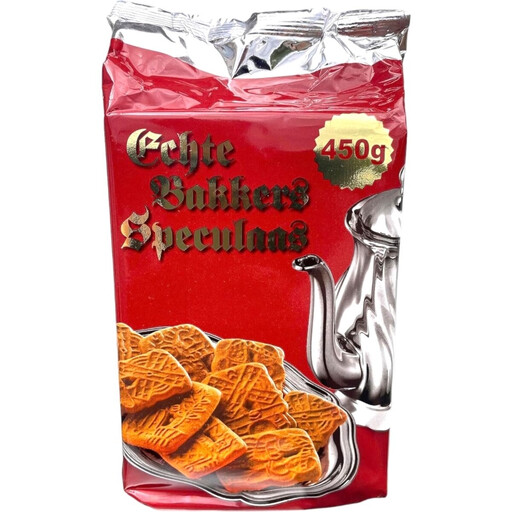
A pack of speculaas to serve with coffee or tea when you’re buying for several guests.
450 g pack. If you’re serving guests with allergies, check the ingredients and any trace warnings on the current label.
The wholemeal versions compared here list more fibre, but that doesn’t automatically apply to all digestives. Albert Heijn lists 6 g of fibre per 100 g for its wholemeal digestive, compared with 3,2 g for the plain one; Jumbo lists 5,8 g for its wholemeal version, while McVitie's Original contains 3,7 g. Also compare the sugar and salt per 100 g in the packs you’re considering.
Check which sweeteners are used and whether there’s a warning on the packaging. For AH Digestive 0% sugar, Albert Heijn lists maltitols and isomalt, 14 g of polyols per 100 g, and a warning that excessive consumption may have a laxative effect; the product also contains wheat.
Check the allergens and any trace warnings on the current packaging of each product you choose. According to the Netherlands Nutrition Centre, allergens must be clearly listed on the label. Don’t rely on the type of biscuit alone: the digestives described contain wheat, and classic Lotus Biscoff also contains soya.
Follow the storage advice on the pack you choose and seal it well after opening. For the digestives it describes, Albert Heijn recommends storing them in a closed tin after opening; check the label for any other product.