What should you look for when choosing?
First decide whether you’re looking for something for everyday use or an occasional biscuit treat. If you choose biscuits, check the school rules and the label on the pack you’re buying.
| What to consider |
What to check when buying |
Who it matters to |
| Allergens and school rules |
Read the allergen information, including ‘may contain’ warnings, and check the school or class rules. |
When I pack something, I want to know whether the ingredients are suitable for the child and the group. This is the main concern for around 42% of consumers. |
| Everyday or occasional |
Think about when it will be eaten and, for biscuits, check the portion size and nutritional information. |
When I pack a daily snack, I don’t want to automatically reach for a biscuit. Around 33% of consumers prioritise this choice. |
| Type of biscuit and portion size |
Compare the product description and portion size: a Digestive biscuit is different from a Kano with almond paste. |
When I’m planning a particular biscuit treat, I want to know what type of biscuit I’m packing and how large a portion is. This comes first for around 25% of consumers. |
Digestives for an occasional treat
These Joybuy products are Digestive varieties for anyone who wants to choose a biscuit with care. Before packing one for school, always check the label and class rules; a Kano is a different type of biscuit.
 No image available
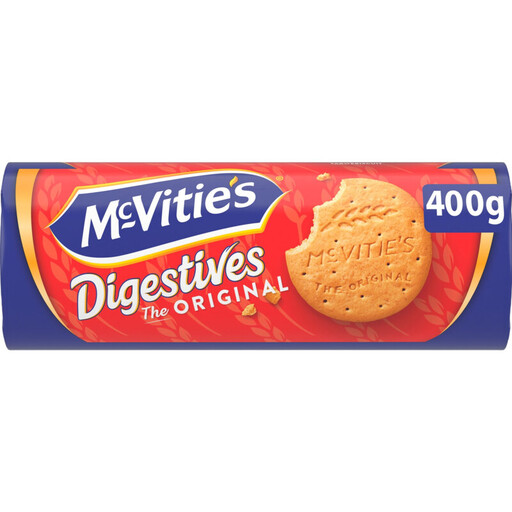
McVities Digestive Original 400 g
A Digestive variety for an occasional treat. Before packing, check the label for wheat and possible traces of milk, and find out what the school or class allows.
View at Joybuy
 No image available
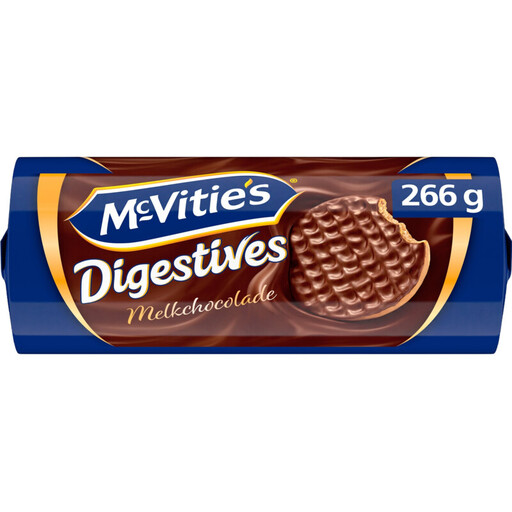
McVitie's Digestives Milk Chocolate 266 g
A milk chocolate Digestive for anyone looking for this variety as an occasional treat. Before packing it for school, check the label for milk, soya and wheat, and consider how you’ll portion the biscuits.
View at Joybuy
Frequently asked questions
Can I pack Digestives or Kano biscuits for school?
First check the rules at your child’s school and in their class. According to VOO, schools can set policies on treats, so check the school handbook or class communications, and ask the teacher if you’re unsure.
Is a vegan or lactose-free Digestive also gluten-free?
No. These labels alone don’t mean that a biscuit is gluten-free. For AH Digestive, Albert Heijn lists wheat and possible traces of barley, oats and rye; according to its product information, Verkade Digestive Original also contains wheat. Always read the label on the pack you choose.
Can I pack a Kano instead of a Digestive?
Only if you’re deliberately choosing a different type of biscuit and the ingredients comply with the school rules. Jumbo Kano’s met Roomboter is a biscuit with almond paste, with 55 g portions according to Jumbo; the Digestives mentioned are wheat biscuits.
How should I store an opened pack of Digestives?
Follow the storage instructions on the pack you’ve bought. For AH Digestive, Albert Heijn recommends storing the biscuits in a sealed tin after opening; Verkade Digestive Original should be stored in a cool, dry, dark place.


