What should you look for when choosing?
First decide whether you’re looking for a sweet biscuit or a grain-based product to add toppings to for your coffee break. Then check the texture, nutritional information and allergens for the variety you’ve chosen.
| What to consider |
What should you check? |
Who is this most important for? |
| Wholemeal content and nutritional value |
Check the ingredients and compare the fibre, sugars and salt per 100 g in the products you’re actually considering. |
If I often serve something with coffee, I want to know whether I’m choosing a sweet biscuit or a wholegrain base. This is the priority for around 31% of consumers. |
| Suitable texture |
If you have difficulty chewing or swallowing, follow personalised advice on texture rather than relying on the product’s thickness or name. |
If someone has difficulty chewing or swallowing, I don’t want to assume that a thin cracker will be suitable. The right texture is the most important consideration for around 23% of consumers. |
| A familiar biscuit |
Check the serving size and nutritional information for the specific digestive variety. |
For afternoon coffee, I mainly want to serve a familiar, sweet biscuit. This is the priority for around 23% of consumers. |
| Small toasts to add toppings to |
Check the shape and serving size of the toast or cracker, and check your chosen topping too. |
I’m looking for small pieces to add toppings to rather than a biscuit; the crisp texture must also suit the person eating them. This serving style is the main preference for around 15% of consumers. |
| Allergens |
Read the current label, including any warnings about traces of allergens. |
If certain ingredients need to be avoided, I want to know what’s in the variety I’ve chosen before serving it. Allergens are the most important purchasing consideration for around 8% of consumers. |
Products at Joybuy
These products include crisp crackers and crispbread for anyone looking for a base to add toppings to, as well as a digestive biscuit for anyone who prefers a biscuit with their coffee. If you have difficulty chewing or swallowing, don’t choose solely on the basis of these product types.
 No image available
Wasa Sourdough Rye Crackers, 235 g
A rye cracker for anyone who’d rather serve a cracker than a digestive with coffee.
Before adding toppings, check the ingredients and allergens on the packaging. If you have difficulty chewing or swallowing, bear the crisp texture in mind.
View at Joybuy
 No image available
Wasa High-Fiber Crackers, 300 g
A cracker option to compare with other products you can add toppings to when fibre is one of your priorities.
Compare the nutritional information per 100 g and check the allergens on the current packaging. A crisp cracker isn’t automatically suitable if you have swallowing difficulties.
View at Joybuy
 No image available
g'woon Wholemeal Crispbread, 375 g
Crispbread for anyone looking for a grain-based base to add toppings to instead of a sweet biscuit.
When choosing, consider the topping too, and check the ingredients and allergens on the packaging. The crisp texture calls for care if you have difficulty chewing or swallowing.
View at Joybuy
 No image available
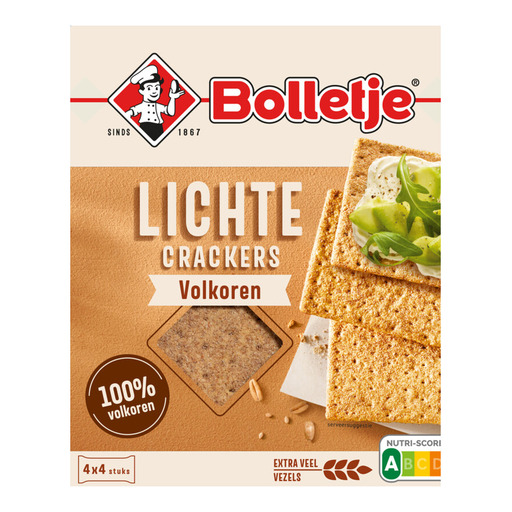
Bolletje Lichte Crackers Volkoren, 190 g
A thin cracker to add toppings to for anyone who values wholegrain cereals at coffee time.
Bolletje says this product range is made from 100% wholegrain cereals. Check the label for allergens; its thin shape doesn’t automatically make the cracker suitable if you have swallowing difficulties.
View at Joybuy
 No image available
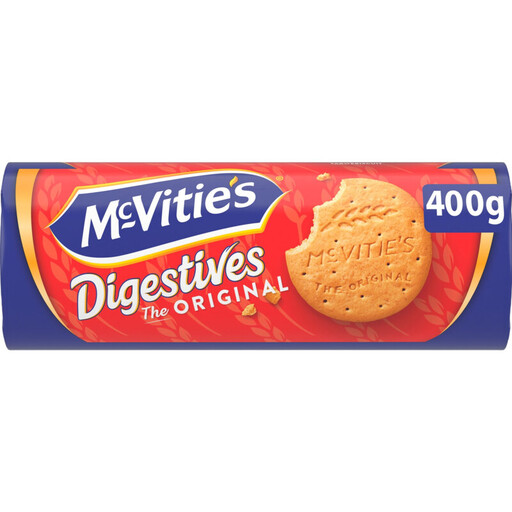
McVities Digestive Original, 400 g
A digestive biscuit for anyone who wants to serve a biscuit with their afternoon coffee instead of a cracker to add toppings to.
For this variety, compare the serving size and nutritional information on the packaging, and check the allergens. A crisp biscuit isn’t automatically suitable if you have swallowing difficulties.
View at Joybuy
Frequently asked questions
Is a digestive the same as a cracker?
No, a digestive is a biscuit, not a wholemeal cracker. If you’re choosing between the two, compare the ingredients, nutritional information and texture of the specific products.
Is a crisp cracker suitable for every older person?
No, a hard, dry cracker isn’t automatically suitable, particularly if you have difficulty chewing or swallowing. Thuisarts discusses adapted food textures for people with swallowing difficulties; follow personalised advice on the right texture.
What if someone chokes or feels food getting stuck?
Don’t take it upon yourself to offer an extra-crisp or thin cracker as a solution. Thuisarts lists choking and food getting stuck as signs of swallowing difficulties; speak to a healthcare professional about these symptoms and follow any existing advice on consistency.
Where can I check the allergens in digestives and crackers?
Read the label on the pack you’re going to serve, including warnings about possible traces. The Netherlands Food and Consumer Product Safety Authority says that allergen information for pre-packed products appears on the label; online information may have changed since it was published.
How should I store an opened pack?
Follow the storage instructions on the packaging for the variety you’ve chosen. For AH Digestive, Albert Heijn recommends storing the biscuits in a sealed tin after opening; don’t assume the same instructions apply to every cracker or toast without checking the label.


