
If you’re looking for a classic biscuit to enjoy with coffee
A digestive biscuit is ready to serve without any toppings. Digestive biscuits from brands including Albert Heijn and Jumbo are described as wheat biscuits or biscuits.


Choose a digestive biscuit if you want to serve a sweet biscuit with coffee, without any toppings; choose a cracker if you’d like something savoury to top. Whichever you choose, compare the ingredients, nutrition information per 100 g and allergens, as products that look similar can still differ.
A digestive biscuit is ready to serve without any toppings. Digestive biscuits from brands including Albert Heijn and Jumbo are described as wheat biscuits or biscuits.
For digestive biscuits, you can check the proportion of wholemeal flour, fibre, sugars, salt and sweeteners used. Compare the nutrition information per 100 g, and read the ingredients list too.
For cheese or other savoury toppings, a cracker or Melba toast is better suited to what you have in mind than a sweet digestive biscuit. Melba toast and seeded crackers are examples of this other product category.
First, decide whether you want to serve biscuits without toppings or a base you can add toppings to. Then compare options within that product category.
| What to consider | What to check before buying | Who is this important to? |
|---|---|---|
| Sweet biscuit with coffee | Check whether the product is a digestive biscuit. If you’re comparing different options, check the sugars and fat per 100 g. | If I’m serving just coffee and a biscuit, I want something that can go straight on the table without toppings. This sweet pairing is the top priority for around 36% of consumers. |
| Ingredients and nutrition information | Read the ingredients list and compare fibre, sugars and salt per 100 g. For a 0% sugar option, also check the sweeteners and warnings. | When choosing between different digestive biscuits, I want to know what’s actually in them first. This is the deciding factor for around 29% of consumers. |
| Savoury toppings | Check whether the product is described as a cracker or Melba toast, and check the allergens in both the base and the topping. | If I want to serve savoury toppings too, I need a base that can be topped rather than a sweet biscuit. This is the top priority for around 21% of consumers. |
| Pack size | Check the weight, the stated number of pieces and the storage instructions for an opened pack. | If I’m buying for a group having coffee, I want to work out how many pieces I can serve and what will be left over. A suitable pack size is the main concern for around 14% of consumers. |
The percentages refer to consumers for whom the stated consideration is their top priority; they say nothing about the nutritional value or suitability of any individual product. The product description and intended use are the main factors in distinguishing digestive biscuits from crackers.
Digestive biscuits are sold as biscuits, while Melba toast and seeded crackers are different types of product. A pack of digestive biscuits may therefore not be right for the toppings you want to serve.
Before choosing, decide whether you want a sweet biscuit to serve with coffee or a base for savoury toppings.
A mention of wholemeal flour doesn’t tell you which other types of flour the product contains. The Voedingscentrum links the term ‘wholemeal’ on biscuits and crackers to the flour used.
Read the full ingredients list and compare the nutrition information per 100 g if wholemeal flour or fibre is important to your choice.
According to Albert Heijn, AH Digestive 0% sugar uses sweeteners. The product information warns that excessive consumption may have a laxative effect.
As well as checking the sugar claim, look at the ingredients, the rest of the nutrition information and the instructions on the packaging.
AH offers a standard digestive biscuit and a 0% sugar option.
Jumbo stocks both a standard digestive biscuit and a Digestive Volkoren (wholemeal digestive).
Melba Crackers Volkoren is a cracker for anyone who would rather serve something to top with their coffee.
Bolletje Ontbijtcrackers Meerzaden (multiseed breakfast crackers) are a cracker option, rather than a classic digestive biscuit.
ALDI describes Biscotto Digestive Biscuits as wheat biscuits to enjoy with tea or coffee.
Lidl Netherlands lists a 400 g pack of plain Digestives.
McVitie's Digestives Original is a classic digestive biscuit for anyone looking for a biscuit to enjoy with coffee.
The first four products are crackers or crispbreads for anyone looking for something to top. The coffee biscuits at the end are suited to a sweet coffee break, but aren’t labelled as digestive biscuits. So start by choosing the type of product you want.
 No image available
Consider this crispbread if you’d like to serve a cracker with coffee instead of a sweet digestive biscuit.
The pack contains 265 g. Check the ingredients and allergens on the pack if you’re serving toppings with it too.
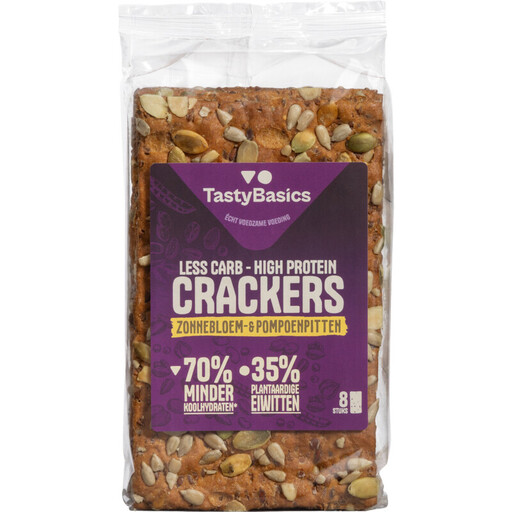 No image available
This cracker is suited to a coffee break when you want something savoury to top, rather than a digestive biscuit.
The pack contains eight crackers. When putting together your snacks, compare the ingredients in your toppings too.
 No image available
Choose this cracker option only if you’re looking for an alternative to a sweet biscuit; this product isn’t a digestive.
The pack contains 300 g. Check the nutrition information per 100 g if you want to compare its composition with other crackers.
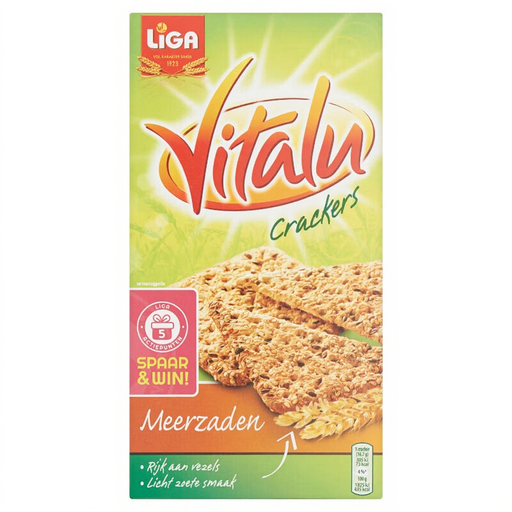 No image available
These crackers are suited to a coffee table where you want to offer something to top alongside biscuits.
The pack contains 200 g. Check the label and your chosen toppings if ingredients or allergens are important to you.
 No image available
These biscuits are an option if you want to serve something sweet with coffee. They aren’t labelled as digestive biscuits.
The pack contains 250 g. Compare the ingredients and nutrition information if you’re choosing between different types of coffee biscuits.
No. The digestive biscuits described are biscuits, while Melba and seeded products are crackers. Choose a digestive biscuit if you want to serve something sweet without toppings; choose a cracker if you’re looking for a base for savoury toppings.
According to the Voedingscentrum, the term ‘wholemeal’ on biscuits and crackers refers to the flour used. A stated percentage of wholemeal flour alone doesn’t tell you what other flour the product contains. So read the full ingredients list and, if it matters to your choice, compare the fibre per 100 g too.
Seal the pack well after opening and follow the storage instructions on the packaging. Albert Heijn recommends storing its digestive biscuits in a sealed tin; Jumbo advises keeping its digestive biscuits in a dark place.
Check the ingredients and any ‘may contain’ statement on each pack, and do the same for your toppings. The digestive biscuits described contain wheat; the Melba cracker described also contains sesame and soya, among other ingredients.