What should you look for when choosing?
First decide whether you want something to eat straight away with your coffee, or a base for a light breakfast. Then compare the nutritional information and ingredients of products that suit the occasion.
| What to consider |
What to check when buying |
Who should consider this? |
| Something to have with your coffee |
Check whether you’re choosing a biscuit or a cracker, and whether you want to eat it without a topping. |
If I’m just making coffee, I want something sweet to eat with it without any extra preparation. For around 36% of consumers, this is the most important thing in a coffee-time snack. |
| Wholegrain and fibre |
Check the ingredients for wholegrain ingredients and compare the fibre content per 100 g. |
When coffee is part of my light breakfast, I’m more likely to look for a cracker base whose wholegrain content and fibre I can check. Around 27% of consumers prioritise this breakfast need. |
| Thin base for toppings |
Consider the product type and salt content per 100 g; think about whether you have a topping and, if needed, a knife. |
I don’t want a sweet biscuit, but a thin piece of toast that I can eat with a simple topping I’ve brought along. Around 19% of consumers put this need first. |
| Labels and allergens |
Check the ingredients, allergens and any warnings on each pack; where relevant, compare sugars, polyols and salt too. |
If an ingredient matters to me, I want to know exactly what’s in my biscuit or cracker before I eat it. For around 18% of consumers, checking the label is the top priority. |
Products for different coffee moments
These Joybuy products include a digestive biscuit to enjoy with your coffee without a topping, crackers as a base for breakfast or a snack, and Melba toast for simple toppings. Choose according to the occasion, then check the information on the specific pack.
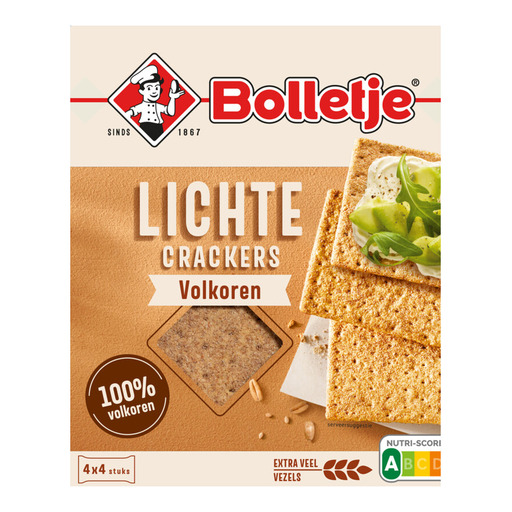 Image unavailable
Bolletje Light Wholegrain Crackers, 190 g
A cracker option if you’re pairing coffee with a light breakfast or a topping you’ve brought along, rather than having a sweet biscuit on its own.
190 g pack. If you have allergies, check the ingredients on the pack.
View at Joybuy
 Image unavailable
McVities Digestive Original, 400 g
A digestive biscuit for anyone who wants something to eat with their coffee without a topping.
400 g pack. If you’re also considering a base for breakfast, compare its nutritional information with that of a cracker.
View at Joybuy
 Image unavailable
Wasa Sourdough Rye Crackers, 235 g
Sourdough rye crackers for anyone who’d rather have a cracker with their coffee than a digestive biscuit.
235 g pack. If grains or allergens affect your choice, check the ingredients for this version.
View at Joybuy
 Image unavailable
Wasa High-Fibre Crackers, 300 g
A cracker base for anyone who wants to compare the fibre information on the label as part of a light breakfast, rather than choosing a sweet biscuit to have with coffee.
300 g pack. Check the ingredients separately if the exact wholegrain ingredients matter to you.
View at Joybuy
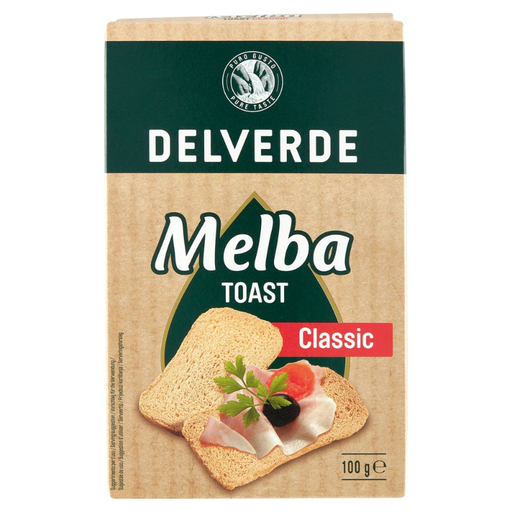 Image unavailable
Delverde Classic Melba Toast, 100 g
Melba toast for anyone looking for a base for a topping they’ve brought along, rather than a digestive biscuit to have with their coffee.
100 g pack. If fibre and allergens matter to your choice, compare the information on the pack.
View at Joybuy
Frequently asked questions
Are digestive biscuits the same as crackers?
No, they serve different purposes here. Albert Heijn describes its AH Digestive as a biscuit: an option to have with your coffee without a topping. A cracker or Melba toast, on the other hand, can be used as a base for a light breakfast or toppings; compare the ingredients and nutritional information for the specific products.
What should I look for if I want a wholegrain cracker?
Check how much of the grain used is wholegrain. The Netherlands Nutrition Centre distinguishes between a product made entirely with wholegrain ingredients and one that combines wholemeal flour with ordinary flour. So check the ingredients list as well as the product name.
Is a digestive biscuit with 0% sugar automatically a suitable choice?
No—check the other ingredients and nutritional information too. Albert Heijn lists 14 g of polyols per 100 g for AH Digestive 0% sugar and warns that excessive consumption may have a laxative effect.
How can I check allergens in the crackers at my hotel?
For a packaged product, check the allergen information on the specific pack. Ondernemersplein says allergens must be listed on the label. If you’re offered a product without its packaging, ask the hotel for the allergen information before eating it.
How should I store an opened pack in my hotel room?
Follow the storage instructions for the product you’ve chosen and seal the pack tightly after opening. Albert Heijn recommends keeping its standard AH Digestive in a cool, dark, dry place and storing it in a sealed tin after opening.


