
If you want a biscuit without a topping
A digestive is a good fit for a coffee break when you want to serve a sweet biscuit straight away. Albert Heijn and Jumbo describe their digestives as biscuits to enjoy with coffee or tea.


Choose a digestive if you want a sweet, crisp biscuit to enjoy with your coffee, without any topping. Choose a cracker if you’d like to add your own sweet or savoury topping. If fibre or wholegrain content is a priority, compare the ingredients and nutrition per 100 g. A fibre claim on a biscuit doesn’t, by itself, tell you how its other nutritional values compare with those of a cracker.
A digestive is a good fit for a coffee break when you want to serve a sweet biscuit straight away. Albert Heijn and Jumbo describe their digestives as biscuits to enjoy with coffee or tea.
A cracker gives you the choice of a sweet or savoury topping. Bolletje describes its Bagel Crackers as suitable for adding toppings or eating plain; for other varieties, check whether they’ll work with the topping you have in mind.
Compare the ingredients list and nutrition per 100 g rather than relying on the product name alone. The Netherlands Nutrition Centre distinguishes between products containing some wholemeal flour and products that are entirely wholegrain.
Decide what you’d like during your coffee break: a biscuit you can enjoy as it is, a base for toppings, or a product where fibre and grain content come first. Then compare the packaging of the options that suit you.
| What you want | What to check before buying | Who this matters most to |
|---|---|---|
| Sweet biscuit with no topping | Check that it’s a biscuit and compare sugars and saturated fat per 100 g. | If you want to reach straight for a sweet biscuit with your coffee, you won’t need a topping; around 40% of consumers say convenience and flavour come first. |
| A base for toppings | Check whether the cracker is suitable for adding toppings, and read the allergen information for the variety you choose. | If I want to switch between sweet and savoury toppings during my break, I look for a crisp base; for around 30% of consumers, this flexibility is the main reason for choosing one. |
| Fibre and a wholegrain base | Read the exact wholegrain description and ingredients; compare fibre per 100 g. | If you mainly want to know which grains a product contains and how much fibre it has, compare the labels side by side; around 30% of consumers prioritise these checks. |
Don’t compare a plain cracker as if it were the same serving as a cracker with toppings. Anything you add contributes to the ingredients, allergens and nutritional value of your snack.
The digestives reviewed are sold as biscuits: they’re a sweet option to enjoy without a topping. A cracker, on the other hand, can be a base for toppings. Searching for both product names won’t tell you which type you’re looking for.
First decide whether you want a biscuit to enjoy as it is or something to add toppings to. Then compare flavours and nutritional values within the right product type.
An ingredient containing wholemeal flour doesn’t automatically mean the whole product is wholegrain. In 2024, the Netherlands Food and Consumer Product Safety Authority reported that 51 of the 190 products it examined should not have been described as wholegrain.
If a fully wholegrain product is a must, check both the exact product description and the ingredients on the packaging.
The fibre content doesn’t tell you how much sugar, saturated fat or salt a biscuit or cracker contains. This could lead you to assume that products with different nutritional values are the same.
Compare the nutrition tables per 100 g, then consider the portion you’ll actually have with your coffee.
Ingredients vary between varieties. The biscuits and crackers reviewed include ingredients such as cereals containing gluten, milk and sesame.
If you have an allergy, read the latest allergen information for the exact flavour and pack you want to buy.
The own-label range includes both a standard digestive and AH Digestive wholemeal, made with wheat flour. This gives you two biscuit varieties to compare.
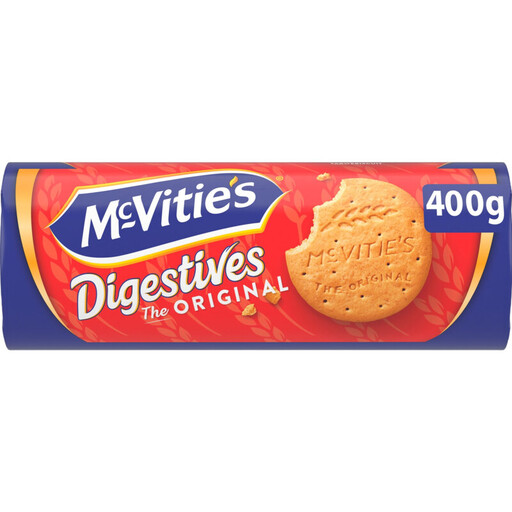
McVitie's Digestives Original is a wheat biscuit for anyone looking for a classic biscuit to enjoy without a topping.
Bolletje offers Light Wholegrain Crackers and Bagel Crackers for anyone looking for a crisp base or a cracker to enjoy without a topping.
According to its product information, Liga Cracotte High Fibre is a light, crisp grain toast that can be enjoyed with sweet or savoury toppings.
This selection is based on three questions for your coffee break: do you want a biscuit without a topping, a base for toppings, or a product whose grain content and fibre you can assess? The numbers follow the order of the curated product selection; they don’t indicate quality or sales rankings.
| Number | Product | Features | Why it’s included | Retailer |
|---|---|---|---|---|
| 1 | McVitie's Digestives Original | Wheat biscuit; 400 g pack reviewed. | Albert Heijn describes this product as a wheat biscuit. It’s a sweet option to enjoy with your coffee without a topping. | Albert Heijn |
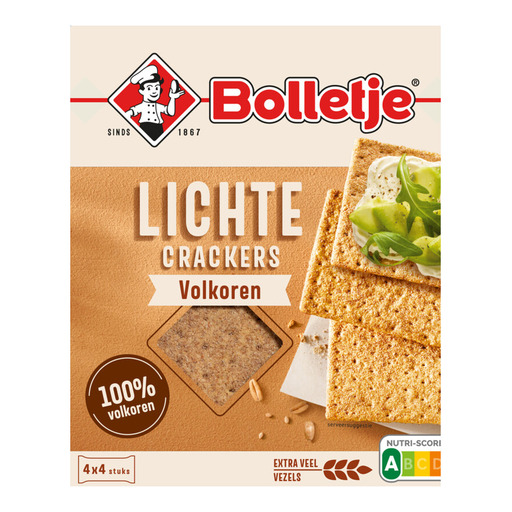
| 2 | Bolletje Light Volkoren Crackers 190 g | According to the product information, 100% wholegrain cereals and 15 g of fibre per 100 g. | The product information on Joybuy gives you specific details to assess the cracker’s wholegrain content and fibre. | Joybuy |
| 3 | Liga Cracotte vezelrijk | Grain toast; 11 g of fibre per 100 g according to the product information. | Albert Heijn describes this Cracotte as suitable for sweet or savoury toppings. This makes it a different kind of base for toppings from a biscuit. | Albert Heijn |
This selection includes a digestive for enjoying as a biscuit without a topping, as well as a range of crackers and crispbreads for anyone who values toppings or grain content. For products with a fibre or wholegrain claim, compare the exact details on the packaging.
 No image available
A cracker option if you want to choose your own topping with your coffee or take the wholegrain base into account.
The product information reviewed lists 100% wholegrain cereals and 15 g of fibre per 100 g. If you have an allergy, check the latest ingredients list for this pack.
 No image available
A rye cracker to consider if you’d prefer a base for your own toppings during your coffee break rather than a sweet biscuit.
Compare the grain content and nutrition on the packaging with those of other crackers. Include your chosen topping when checking ingredients or allergens.
 No image available
These crackers are worth considering if fibre is your main priority when choosing.
Assess the fibre content alongside the other nutritional values per 100 g. The name High-Fiber alone doesn’t tell you whether the entire product is wholegrain.
 No image available
A wheat biscuit for anyone who wants something to enjoy with their coffee without a topping, rather than a cracker to add toppings to.
McVitie's product information lists fibre, sugars, saturated fat and salt per 100 g. If nutrition matters to your choice, compare all these values together.
 No image available
A crisp option if you want to choose what to put on it with your coffee.
Check the ingredients list if a fully wholegrain product is important to you. Also read the allergen information on the pack you choose and for any toppings you plan to add.
No. The digestives reviewed are sold as biscuits and are intended to be enjoyed as they are. If you’d like to add your own sweet or savoury topping with your coffee, look for a cracker that’s suitable for this.
A product containing some wholemeal flour isn’t automatically fully wholegrain. For products such as crackers and biscuits, the Netherlands Nutrition Centre explains the difference between containing some wholemeal flour and being entirely wholegrain. So check the exact product description and ingredients list.
Yes, because ingredients vary between products and varieties. The Netherlands Food and Consumer Product Safety Authority provides guidance on allergen labelling. If you have an allergy, always check the latest information on the exact pack you choose, including any toppings you add.
Follow the storage instructions on the pack you choose and seal it properly after use. For the digestives reviewed, Albert Heijn recommends storing them in a sealed tin once opened; McVitie's says to store them in a cool, dry place.