Choose a digestive as a crunchy addition to a more substantial breakfast, such as wholemeal bread or yoghurt with fruit, rather than as your only breakfast item. When comparing wholemeal and 0% sugar varieties, check the sugars, polyols and allergens on the label too. Lotus Biscoff is a speculoos biscuit for a different taste preference, not a digestive.
Who is this choice relevant to?
Breakfast lovers who fancy something crunchy
You’re looking for a biscuit to enjoy alongside a more substantial weekend breakfast, not as a replacement for it. The Netherlands Nutrition Centre lists options such as wholemeal bread with a topping and yoghurt with fruit and oats.
Shoppers comparing fibre and wholemeal options
You want to compare the fibre content and proportion of wholemeal flour without assuming that a wholemeal digestive also contains less sugar. Albert Heijn’s product information shows why it’s worth checking both figures.
Shoppers checking sugars and polyols
You’re considering a 0% sugar digestive and want to know what other ingredients it contains. Albert Heijn lists polyols in its variety and warns that excessive consumption may have a laxative effect.
What should you look for when choosing?
First decide what role the biscuit will play at breakfast. Then compare the nutritional information if fibre or sugars matter to you, or choose between the flavour of a digestive and that of speculoos.
| What to consider |
What should you check? |
Who is this important to? |
| Role at breakfast |
Decide whether the biscuit is an addition to other breakfast foods, rather than the whole breakfast. |
I already serve something like wholemeal bread or yoghurt with fruit and just want to add something crunchy. For around 42% of consumers, this supporting role is the priority. |
| Fibre, wholemeal content and sugars |
Compare fibre and sugars per 100 g; for a wholemeal variety, also check the proportion of wholemeal flour in the ingredients list. |
If I’m looking for more fibre, I also want to know how much sugar the biscuit contains. This balance is the deciding factor for around 33% of consumers. |
| Flavour and type of biscuit |
Choose between a digestive and speculoos based on the product type and its described flavour, not just the shape of the biscuit. |
With my coffee, I might want a plain wheat biscuit or a caramelised speculoos biscuit. Biscuit type and flavour are the first things around 25% of consumers consider. |
Common mistakes
-
Thinking of a digestive as a complete breakfast
A biscuit can be part of your breakfast, but it won’t automatically replace the other breakfast foods. The Netherlands Nutrition Centre lists wholegrain products, fruit and dairy or alternatives among its breakfast suggestions.
First decide what else you want to eat, then add a biscuit if you fancy something crunchy.
-
Going by the word ‘wholemeal’ alone
According to Albert Heijn’s product information, AH Digestive wholemeal contains 6 g of fibre and 20 g of sugars per 100 g, compared with 3.2 g of fibre and 16 g of sugars per 100 g in AH Digestive. So, with these two varieties, more fibre doesn’t mean less sugar.
Check both fibre and sugars per 100 g, and look at the stated proportion of wholemeal flour.
-
Assuming 0% sugar means you can skip the label
Albert Heijn lists 14 g of polyols per 100 g in AH Digestive 0% sugar and warns that excessive consumption may have a laxative effect.
Check the polyols, the rest of the nutritional information and any warnings on the pack too.
-
Guessing allergens from the name ‘digestive’
Albert Heijn and Jumbo list wheat in the product information for the digestives discussed here; Jumbo also lists gluten. The name of the biscuit won’t tell you whether a particular variety is suitable for someone with an allergy.
Before buying, check the current ingredients and allergen information for the pack you’ve chosen.
Brands to consider
Albert Heijn
This own-label range includes a standard digestive, a wholemeal variety and a 0% sugar variety.
- Albert Heijn’s product information lists the ingredients and nutritional values for each variety, so you can compare fibre and sugars per 100 g.
- The varieties differ: the wholemeal digestive lists 6 g of fibre and 20 g of sugars per 100 g, while the 0% sugar variety lists 14 g of polyols per 100 g. Check the current pack.
Jumbo
Its own-label range includes a crunchy 400 g digestive; Jumbo also stocks McVitie’s digestives.
- Jumbo lists 3.1 g of fibre and 19.2 g of sugars per 100 g for its own-label digestive.
- The allergen information for this own-label variety lists wheat and gluten. Check the pack you’ve chosen if allergens are a concern for you.
Lotus Biscoff
A speculoos biscuit for anyone who fancies a caramelised flavour with their coffee or weekend breakfast, rather than a classic digestive.
- Lotus Bakeries describes Biscoff as crunchy and caramelised.
- Speculoos is a different type of biscuit from a digestive. Compare the ingredients and nutritional information for the product you choose separately.
Biscotto (ALDI)
An ALDI own-label range of wheat digestive biscuits, including a 300 g pack shown here.
- ALDI describes Biscotto Digestive Biscuits as crunchy wheat biscuits.
- Check the nutritional information and allergen details on the specific pack before comparing this variety with another digestive.
Sondey (Lidl)
Lidl’s own-label biscuit range; Lidl also stocks plain Digestives.
- Plain Digestives are worth considering if you’re looking for a digestive without a chocolate coating.
- Use the label on the pack you choose to check its ingredients, allergens and nutritional values.
Biscuits to suit different preferences
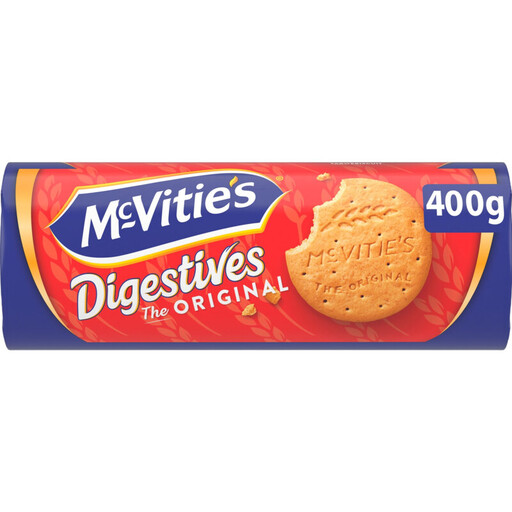
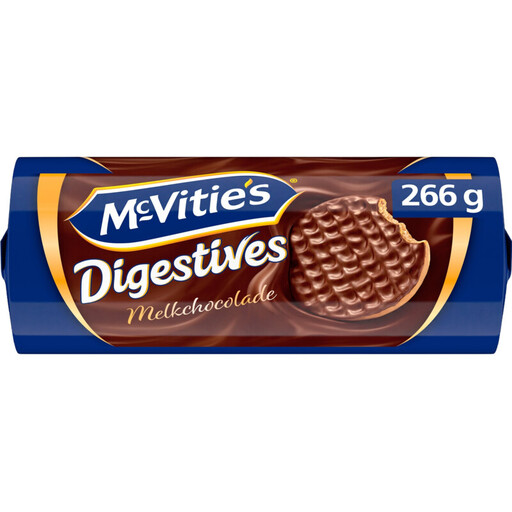
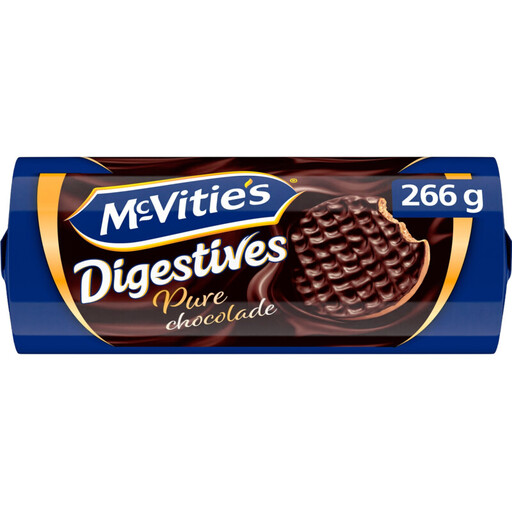
This selection of Joybuy products includes a plain digestive, two chocolate-coated digestives and a Lotus Biscoff speculoos biscuit. Choose the plain digestive if you want an uncoated biscuit; the other products are better suited to a preference for chocolate or caramelised speculoos.
 No image available
McVities Digestive Original, 400 g
A plain digestive for a crunchy addition to your weekend breakfast. Check the current nutritional information and the allergens on the pack if they’re important to you.
View at Joybuy
 No image available
Lotus Biscoff Speculoos Cookie, 250 g
A speculoos biscuit for anyone who fancies a caramelised flavour with their coffee, rather than a substitute for a classic digestive. If you have allergies, check the full ingredients and allergen information on the current pack.
View at Joybuy
 No image available
McVitie's Digestives Milk Chocolate, 266 g
A milk chocolate digestive for anyone who’d prefer a chocolate-coated biscuit with their weekend breakfast rather than a plain one. Check the current pack for allergens and compare nutritional values on the same basis.
View at Joybuy
 No image available
McVitie's Digestives with Dark Chocolate, 266 g
A chocolate-coated digestive for anyone who doesn’t want a plain, uncoated variety. Check the current pack to see which type of chocolate, allergens and nutritional values are listed for this product.
View at Joybuy
Frequently asked questions
Can a digestive make up my entire weekend breakfast?
It’s best to think of a digestive as an addition rather than your only breakfast item. The Netherlands Nutrition Centre suggests options such as wholemeal bread with a topping or yoghurt with fruit and oats, so decide what else you’d like to serve too.
Does a wholemeal digestive contain less sugar?
Not necessarily: Albert Heijn lists 20 g of sugars per 100 g for AH Digestive wholemeal and 16 g per 100 g for AH Digestive. The wholemeal variety does contain more fibre. So compare both figures on the labels of the products you’re considering.
What should I check in a 0% sugar digestive?
As well as the sugars, check which polyols are used and read any warnings. Albert Heijn lists 0.3 g of sugars and 14 g of polyols per 100 g for AH Digestive 0% sugar, along with a warning that excessive consumption may have a laxative effect.
How can I check whether a digestive is suitable for my allergy?
Read the allergen information on the specific, current pack. The Netherlands Food and Consumer Product Safety Authority states that allergens must be listed on the label of prepacked foods. Albert Heijn lists wheat in the digestives discussed here, while Jumbo lists wheat and gluten in its own-label variety.
How should I store an opened pack of digestives?
Follow the storage instructions on the pack you’ve chosen and seal it carefully after opening. Albert Heijn and Jumbo’s product information recommends storing the digestives discussed here in a cool, dark and dry place.


