What should you look for when choosing?
First decide whether you want a plain biscuit or a base you can add a topping to. Then compare the values per 100 g and per portion, focusing on what matters most to you.
| What to consider |
What to check before buying |
Who it matters to |
| Fibre and wholegrain |
Compare the fibre content per 100 g and check the product name and ingredients if you’re specifically looking for a product made entirely from wholegrain. |
If fibre is my top priority, I want to know whether a cracker or biscuit contains flour as well as wholemeal flour. Around 36% of consumers prioritise this choice of grain. |
| Sugars and sweeteners |
Check the sugar content and other nutritional values per 100 g and per portion. For a 0% sugar option, also read the information about polyols. |
I want to choose a sweet snack without relying solely on the wording on the front of the pack. For around 29% of consumers, sugar and the rest of the product’s ingredients are the main considerations. |
| Allergens |
Read the current ingredients list and any warnings about possible cross-contamination, including those for the topping. |
If I need to avoid an allergen, both the biscuit or cracker and its topping must be suitable. This is the main concern when shopping for around 21% of consumers. |
| Snack type and toppings |
Choose between a ready-to-eat biscuit and a base you can add a topping to; consider the whole portion. |
For a snack that needs no preparation, I’d rather grab a biscuit. On other days, I want to choose my own topping. Around 14% of consumers prioritise this practical choice. |
Products at Joybuy
This selection includes crackers and toast for a crunchy snack base, as well as a classic digestive biscuit for anyone who prefers a snack without a topping. Before you decide, compare the nutritional information and ingredients on the exact pack you’re considering.
 Image unavailable
Bolletje Whole Grain Crispbread 265 g
An option for when you’d rather have crispbread than a sweet biscuit mid-morning. The pack contains 265 g; check the ingredients and the portion you plan to eat on the label.
View at Joybuy
 Image unavailable
Wasa High-Fiber Crackers 300 g
A cracker option if you want to compare the fibre content of different products. The pack contains 300 g; check the nutritional information per 100 g and use the label to work out the values for your own portion.
View at Joybuy
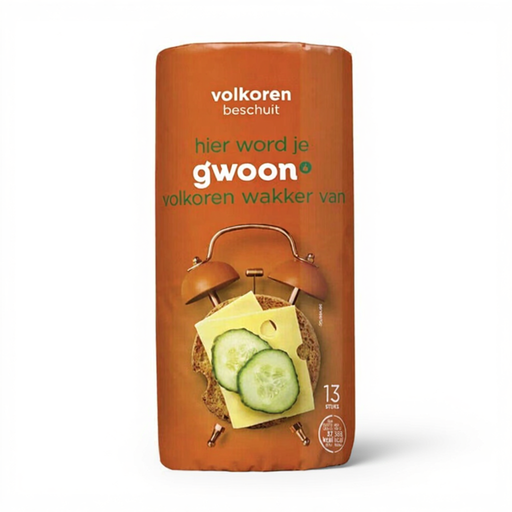 Image unavailable
g'woon Wholegrain Crispbreads 125 g
A crunchy base for adding your own topping. The pack contains 125 g; check the label for the ingredients and product name if a product made entirely from wholemeal flour matters to you, and remember to consider your topping too.
View at Joybuy
 Image unavailable
McVitie's Digestives Original 400 g
A classic digestive biscuit for anyone looking for a snack without a topping. The pack contains 400 g; compare the nutritional information per biscuit and per 100 g with the portion you plan to eat.
View at Joybuy
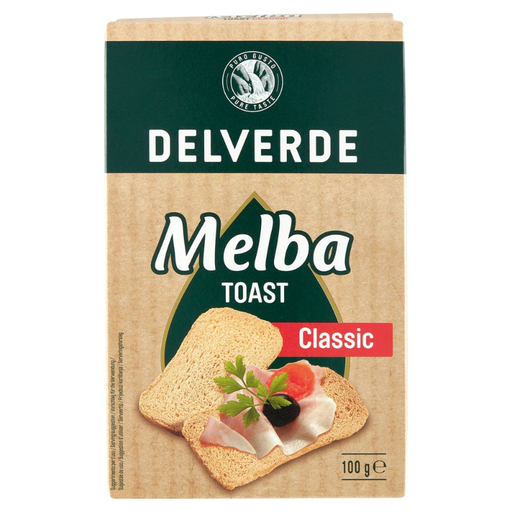 Image unavailable
Delverde Classic Melba Toast 100 g
A toast option if you’d rather put together your own snack with a topping than have a digestive biscuit. The pack contains 100 g; compare both the toast and the topping when choosing, and read the allergen information on both packs.
View at Joybuy
Frequently asked questions
Is a digestive the same as a cracker?
No. The digestives discussed here are biscuits, while a cracker or Melba toast can be used as a crunchy snack base. First decide whether you want a plain biscuit or a base you can add a topping to, then compare products within that category.
Can I eat as many 0% sugar digestives as I like?
No. A 0% sugar claim doesn’t tell you what a suitable portion size is. Albert Heijn lists 0,3 g of sugars and 14 g of polyols per 100 g for its Digestive 0% suiker, along with a warning that excessive consumption may have a laxative effect. Check the other nutritional information and consider your portion too.
How can I tell if a cracker or biscuit is entirely wholegrain?
Check the product name and ingredients rather than relying on the colour or a word in the product title. According to the Netherlands Nutrition Centre, the term wholegrain on crackers, savoury biscuits and sweet biscuits means that the product is made entirely from wholemeal flour.
Where can I check for allergens in digestives and crackers?
Read the ingredients list and any warnings on the current packaging for both the product and the topping. The Netherlands Food and Consumer Product Safety Authority explains that the allergens which must be declared in prepacked foods need to be clearly shown on the label. Which allergens are relevant varies from product to product.
How should I store biscuits or crackers after opening?
Follow the storage instructions on the packaging and seal it securely after opening. Albert Heijn recommends keeping its digestives in a sealed tin; Jumbo advises sealing its classic digestive well and storing it in a dark place.


