Which option is right for you?

If you want to serve a biscuit on its own

If you want to serve coffee or tea without preparing any toppings, a digestive biscuit suits that style of serving. Albert Heijn and Jumbo describe the digestive biscuits reviewed as biscuits to enjoy with coffee or tea. Check the ingredients and allergens on the pack you choose.

If you want to make topped bites

If you want to offer small, crunchy bites, you can use Melba toast as a base. For example, Jumbo suggests serving the Van der Meulen Melba Toast Naturel reviewed with cheese and cress. If any guests have a food allergy, check both the toast and every topping.

If you want to compare labels

If fibre, sugar, salt or allergens will influence your choice, compare specific products. According to Albert Heijn’s product information, the wholemeal digestive biscuit reviewed contains more fibre per 100 g, but also more sugar and salt, than the standard AH Digestive reviewed.

What should you look for when choosing?

First decide whether you want a biscuit without toppings or a base for topped bites. Then compare the labels of products that suit the way you plan to serve them.

What to consider What to check when buying Who should consider this?
Serving a biscuit on its own Choose a biscuit deliberately and check the ingredients and serving size on the pack. If I want something to serve with coffee or tea without any preparation, I prioritise a biscuit on its own. Around 40% of consumers put ease of serving first.
Making topped bites Check the size of the toast and look at the ingredients in the toppings too. For small bites, I want a crunchy base I can add toppings to, even if it takes longer to prepare. For around 30% of consumers, the option to add toppings matters most.
Letting the label decide Compare fibre, sugar and salt per 100 g; also read the allergen information for the product you choose. If I need to consider the ingredients or nutritional value, I don’t choose based on serving style alone. For around 30% of consumers, checking the label is the top priority.

Common mistakes

  • Assuming ‘wholemeal’ means ‘less sugar or salt’

    According to Albert Heijn, the AH Digestive wholemeal reviewed contains 6 g of fibre, 20 g of sugar and 1.15 g of salt per 100 g. For the standard AH Digestive, Albert Heijn lists 3.2 g, 16 g and 0.78 g per 100 g respectively. So, in this comparison, the wholemeal version does not have a lower value across the board.

    Compare the values that matter to you per 100 g, rather than relying only on the front of the pack.

  • Treating Melba toast like a biscuit to have with coffee

    Melba toast is designed to be a crunchy base for toppings. Serving it takes more preparation than offering a biscuit straight from the pack.

    Choose Melba toast if you also want to prepare toppings; choose a biscuit if you want to serve something without toppings.

    For topped bites, you’ll need to prepare and store the toppings separately.

  • Guessing allergens from the product name

    Ingredients vary between products, and toppings can contain allergens too. The Netherlands Food and Consumer Product Safety Authority explains how allergens must be listed on the labels of pre-packed foods.

    Read the current ingredients list and allergen information for both the toast or biscuit you choose and the toppings.

  • Assuming every toast or biscuit contains iodine

    According to the Netherlands Nutrition Centre, bread does not have to be baked with baker’s salt. So you cannot assume that a particular toast or biscuit is made with baker’s salt just because of its product category.

    Don’t assume a product contains iodine based on its name; check the ingredients on the label of the product you choose.

Brands to consider

Albert Heijn

The own-brand range reviewed includes standard and wholemeal AH Digestive biscuits.

  • For the wholemeal version reviewed, Albert Heijn lists 6 g of fibre per 100 g, compared with 3.2 g for the standard version.
  • According to the same product information, the wholemeal version also contains more sugar and salt per 100 g. Check the current packaging.

Jumbo

The 400 g Jumbo Krokante Digestive Biscuit reviewed is described as a biscuit to have with coffee or tea.

  • The product information lists 3.1 g of fibre, 19.2 g of sugar and 1.24 g of salt per 100 g.
  • These values apply to this product, not to other Jumbo biscuits. Check the allergen information too.

Van der Meulen

The Melba Toast Naturel reviewed is a base for small topped bites.

  • Jumbo describes this version as thin, toasted slices that can be served with cheese and cress, among other toppings.
  • The listed ingredients include wheat, barley and soya; according to the label, the product may also contain sesame. Check each product separately.

Bolletje

Bolletje’s product range includes rusks, crackers and crispbread: other options for adding toppings besides Melba toast.

  • The range is useful if you’re looking for a base for toppings but don’t specifically want Melba toast.
  • Check the size, ingredients and nutritional information for each Bolletje product.

Lidl

Lidl’s Dutch product pages list 240 g packs of Melba toast and 400 g packs of plain digestive biscuits as shop products.

  • These two product types offer a choice between toast for adding toppings and a biscuit.
  • Check the current packaging in store for ingredients, allergens and nutritional information.

Products for your coffee break

This Joybuy selection includes Melba toast for topped bites, biscuits to serve without toppings, and wholemeal rusks as another base for toppings. The biscuits listed are not necessarily digestive biscuits too; choose by product type and, when comparing labels, use the same nutritional basis.
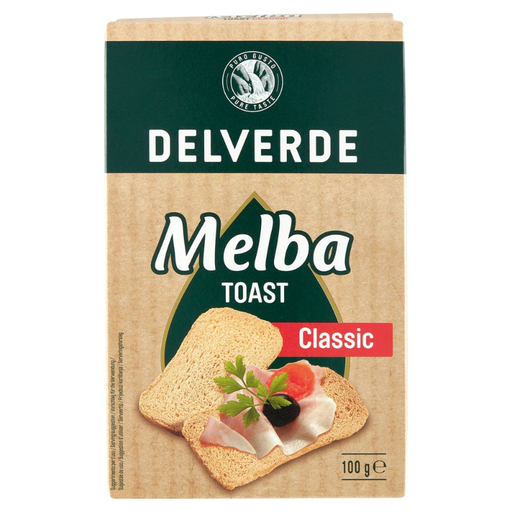
Delverde Classic Melba Toast, 100 g pack

Delverde Classic Melba Toast 100 g

Melba toast to consider if you want to make topped bites. When choosing toppings, check the toast’s current label too, and only compare nutritional values on the same basis.

View at Joybuy
g'woon Coffee Biscuits, 250 g pack

g'woon Coffee Biscuits 250 g

A biscuit option if you want to serve something with coffee without toppings. This product is not labelled as a digestive biscuit; check the label if the ingredients or allergens matter to your guests.

View at Joybuy
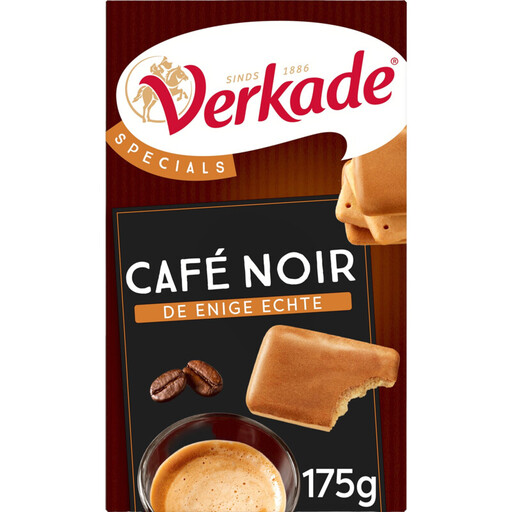
Verkade Cafe Noir Bitesize, 200 g pack

Verkade Cafe Noir Bitesize 200 g

Another biscuit option for a coffee break without toppings, but not a confirmed digestive biscuit. Check the ingredients and allergens on the pack you choose.

View at Joybuy
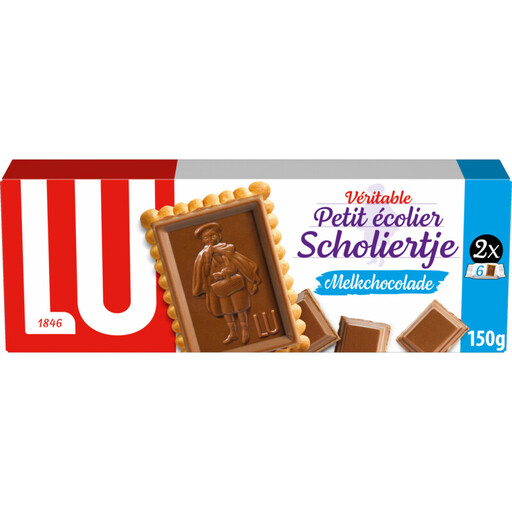
Lu Scholiertje Milk Chocolate Biscuits, 150 g pack

Lu Scholiertje Milk Chocolate Biscuits 150 g

A chocolate biscuit for anyone who wants to serve a biscuit without toppings with their coffee, but not a confirmed digestive biscuit. Check the current ingredients list and allergen information for your guests.

View at Joybuy

Bolletje wholemeal rusks, pack of 13

Bolletje wholemeal rusks, 13 pieces

An alternative if you’re looking for a base for toppings and don’t specifically need Melba toast. Rusks are neither digestive biscuits nor Melba toast; check the packaging separately for ingredients and nutritional value.

View at Joybuy

Frequently asked questions

Are digestive biscuits the same as Melba toast?

No. A digestive biscuit can be served without toppings with coffee or tea; Melba toast consists of thin, toasted slices and is used as a base for topped bites.

How do I compare the nutritional value of different versions?

Compare the nutritional information per 100 g so different serving sizes don’t skew the comparison. Then look at the values relevant to your choice, such as fibre, sugar and salt, and read the ingredients list too. The Netherlands Nutrition Centre recommends comparing labels per 100 g.

Does a wholemeal digestive biscuit automatically contain less sugar or salt?

No. According to Albert Heijn, the AH Digestive wholemeal reviewed contains 20 g of sugar and 1.15 g of salt per 100 g; the company lists 16 g of sugar and 0.78 g of salt per 100 g for the standard AH Digestive. So compare the specific products rather than relying on the name alone.

What should I check if my guests have allergies?

Check the current allergen information for every product and topping you choose. According to the product information, the Melba Toast Naturel reviewed lists wheat, barley and soya, and may contain sesame; don’t assume other versions have the same ingredients.

Does toast or a digestive biscuit automatically provide iodine through baker’s salt?

No, you can’t tell from the product type. According to the Netherlands Nutrition Centre, bread does not have to be baked with baker’s salt. Check the ingredients of the product you choose rather than assuming it contains baker’s salt based on its name.
