
Breakfast eaters comparing fibre content
You’re looking for something crunchy, but don’t want to rely only on words such as ‘digestive’ or ‘wholegrain’. Compare the sugars and salt on the nutrition table for the variety you choose, too.


Choose a digestive biscuit if you fancy something crunchy with coffee or tea, Melba toast for small topped bites, or a rusk as a light, round base for toppings. Don’t let the product name make your nutritional choices for you: check the packaging of the variety you choose for ingredients, fibre, sugars, salt and allergens.
You’re looking for something crunchy, but don’t want to rely only on words such as ‘digestive’ or ‘wholegrain’. Compare the sugars and salt on the nutrition table for the variety you choose, too.
You want a base for sweet or savoury toppings. Small pieces of Melba toast and larger, light rusks offer different sizes and eating experiences.
You need to know which ingredients and allergens are in the exact variety you’re buying. The Netherlands Nutrition Centre stresses the importance of checking food labels if you have a food allergy. Information about ingredients such as wheat, milk, soya and oats varies from product to product.
First decide whether you want a biscuit to enjoy alongside breakfast or a crunchy base for toppings. Then compare the nutritional information and ingredients of varieties suited to that use.
| What to consider | What to check before buying | Who it matters most to |
|---|---|---|
| Fibre and nutritional value | Compare fibre, sugars and salt per 100 g, and consider how much you’ll actually eat. Jumbo lists 5,8 g of fibre, 19,3 g of sugars and 1,15 g of salt per 100 g for Digestive Volkoren. | If I’m considering a wholegrain variety, I want to look beyond the name on the front. For around 45% of consumers, this comparison of nutritional values is the most important factor. |
| Toppings and size | Choose between a biscuit to eat on its own, small pieces of Melba toast for toppings, and round rusks. Also consider the pack size. | I’m looking for a crunchy base for my toppings in a suitable size. For around 33% of consumers, this use is the deciding factor. |
| Allergens | Read the ingredients and allergen information for the exact variety, including any ‘may contain’ information. | If I need to avoid an ingredient, I want to check the packaging before considering taste or texture. This is the main concern for around 22% of consumers. |
A digestive is a biscuit. If you’re mainly looking for a base for toppings, how you plan to use it matters more than the name ‘digestive’.
First decide whether you’ll eat it on its own or add toppings. Then compare the nutritional value per 100 g and the amount you plan to serve of products suited to that use.
A claim on the front doesn’t answer all your questions about sugars, salt or other allergens. For example, Jumbo lists milk, oats and soya in its gluten-free Digestives Melkchocolade.
Check the full ingredients list, nutrition table and allergen information for the flavour and pack you’ve chosen.
Melba toast is designed for small topped bites, while rusks offer a larger, light, round base. A biscuit has a different role at the table.
Think in advance about what you want to add toppings to, and whether you’d also like to serve a biscuit with coffee or tea.
A general rule about using baker’s salt won’t tell you which ingredients are in a specific digestive biscuit, toast or rusk.
For information about a particular product, check the ingredients on the current packaging or ask the manufacturer.
Bolletje presents Echte Beschuit as a product for breakfast and lunch.
Albert Heijn lists AH Digestive, AH Digestive volkoren met tarwebloem and McVitie’s Digestives original as separate products, among others.
Jumbo lists regular, wholegrain, chocolate and gluten-free digestive biscuit varieties.
Lidl lists Digestives naturel and Melba toast as different types of product.
ALDI lists Biscotto Digestive Biscuits alongside rusks, toast and crackers.
This selection of Joybuy products includes rusks, crackers, Melba toast and a digestive biscuit. Crackers are an extra option for toppings here, not the same product as Melba toast or rusks.
 Image unavailable
A round, crunchy base for serving rusks with toppings.
Pack of 13. If you have an allergy, check the current ingredients and allergen information.
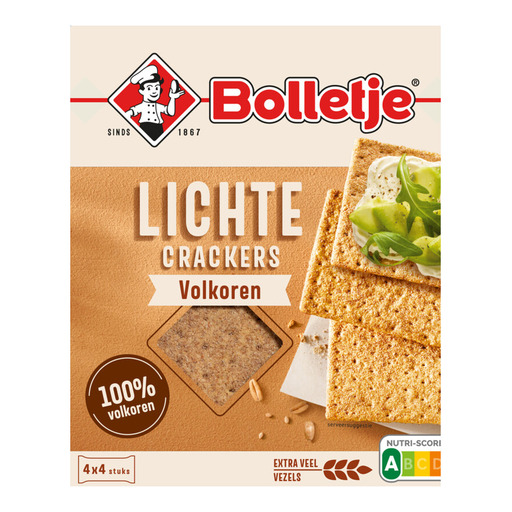 Image unavailable
A cracker option if you’re looking for a crunchy base for toppings instead of a digestive biscuit.
190 g pack. Compare the nutritional information and check the packaging if you have an allergy.
 Image unavailable
A rye cracker to consider when toppings are the main focus of breakfast.
235 g pack. If you need to avoid certain grains, check the ingredients and allergen information on the packaging.
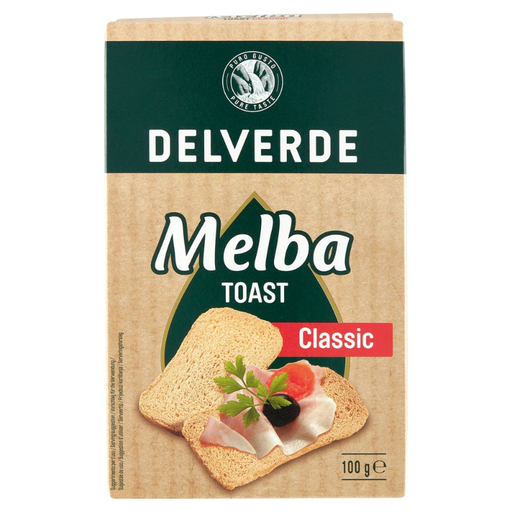 Image unavailable
Melba toast is ideal for small, crunchy bites with toppings.
100 g pack. Check the current nutritional information and allergen details for this variety.
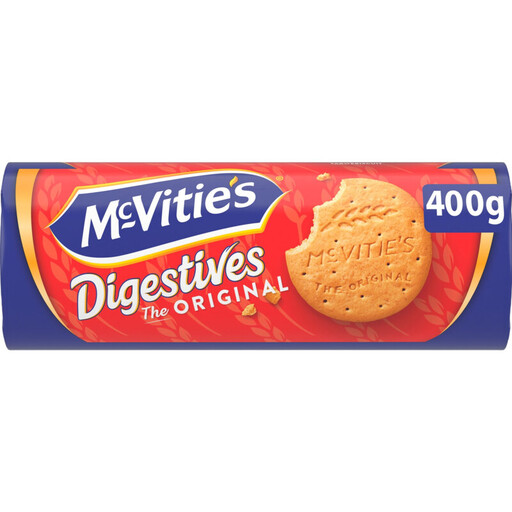 Image unavailable
A digestive biscuit for something crunchy with coffee or tea, rather than a base for generous toppings.
400 g pack. Compare sugars, salt and fibre on the label. If you have an allergy, check the ingredients too.
No. A digestive is a biscuit, while toast and Melba toast are different products you can use as a base for toppings. Rusks offer another light, round base for breakfast.
No. Compare the sugars, salt, fibre and your portion size, too. Jumbo lists 5,8 g of fibre, 19,3 g of sugars and 1,15 g of salt per 100 g for Digestive Volkoren. Check the current packaging of the variety you’re buying.
Check the ingredients and allergen information for the exact variety, even if ‘gluten-free’ appears on the front. For example, Jumbo lists milk, oats and soya in its gluten-free Digestives Melkchocolade.
You can’t tell from the product category alone. The Netherlands Food and Consumer Product Safety Authority describes the conditions for using iodised baker’s salt, not the ingredients in every individual type of toast or rusk. Check the packaging or ask the manufacturer.
Follow the storage advice on the packaging of the variety you’ve chosen. For its Digestive Biscuit Pure Chocolade, Jumbo advises sealing the pack well after opening and storing it in a dark place.