
Fans of a classic biscuit
You want a plain digestive to serve with coffee or tea, without a chocolate coating or strong caramel flavour.


Choose a plain digestive if you want to serve a simple wheat biscuit with coffee or tea. A wholemeal version is worth comparing if fibre content matters more to you. If you need a gluten-free option, check the specific pack and all other allergens. A chocolate digestive is a good choice if you prefer something sweeter, but nutritional values vary by product.
You want a plain digestive to serve with coffee or tea, without a chocolate coating or strong caramel flavour.
You’re looking for a wholemeal version and comparing fibre, sugars, saturated fat and portion size, rather than relying on the word ‘digestive’ alone.
If you’re choosing a biscuit for someone with a specific dietary requirement, the ingredients list and allergen information on the pack are what matter most.
First decide whether you want to serve a plain biscuit, a wholemeal version or something sweeter. Any dietary or allergen requirements should take priority over flavour.
| What to consider | What to check before buying | Who is this important for? |
|---|---|---|
| Classic flavour | Check whether it’s a plain digestive and how many biscuits you want to serve each guest. | I want a biscuit with my coffee or tea that has no chocolate or strong caramel flavour. This classic serving choice comes first for around 30% of consumers. |
| Wholemeal and fibre | Compare fibre per 100 g and per biscuit, and check sugars and saturated fat too. | When choosing between regular and wholemeal digestives, I want to know how much fibre there is in a portion. This is the main consideration for around 30% of consumers. |
| Gluten and allergens | Read the ingredients, allergen information and any ‘may contain’ statement on the current packaging. | If a guest has a dietary requirement, I need to be able to check whether this particular biscuit is suitable. This check is the most important factor for around 20% of consumers. |
| Something sweeter | Check the type of biscuit, its chocolate coating or flavour, and the nutritional information per 100 g. | I’m looking for a biscuit with chocolate or a pronounced caramelised flavour to enjoy alongside my drink. This preference is the deciding factor for around 20% of consumers. |
The products reviewed vary in fibre, sugars and saturated fat. The word ‘wholemeal’ also doesn’t tell you everything about a biscuit’s nutritional value.
Compare the nutritional information per 100 g and, where provided, per biscuit. The Voedingscentrum notes that nutritional values can vary between brands.
Jumbo lists milk, oats and soya for its Lekker Vrij van Gluten Digestives Melkchocolade, and also states that it may contain nuts.
Check the allergen information on the pack you’re using before buying and serving.
Ingredients and nutritional information can change, so Albert Heijn recommends checking the packaging.
Read the current label again if a dietary requirement, allergen or exact nutritional value is important to your choice.
The Digestives Original reviewed is a wheat biscuit sold in a 400 g pack.
AH Digestive is a regular 400 g digestive biscuit that Albert Heijn describes as vegan and lactose-free.
The Jumbo versions reviewed include a wholemeal digestive and a separate gluten-free digestive with milk chocolate.
ALDI Nederland describes Biscotto Digestive Biscuits as crisp wheat biscuits in a 400 g pack containing around 27 biscuits.
Lidl describes Sondey as a brand with a range of biscuits and cookies. Lidl also lists a separate 400 g product called Digestives naturel.
Lotus Biscoff is an alternative coffee biscuit, not a digestive. Lotus Bakeries describes it as crisp and caramelised.
This Joybuy selection includes a plain digestive and two chocolate digestives. Choosing a wholemeal or gluten-free version requires a separate check of the product and its label.
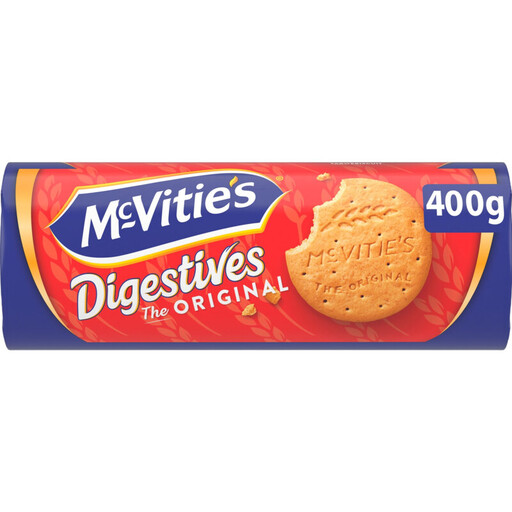 Image unavailable
A plain digestive if you want to serve a biscuit without a chocolate coating with coffee or tea.
For McVitie's Digestives Original, Jumbo lists 3,7 g of fibre, 15,1 g of sugars and 10,1 g of saturated fat per 100 g. If you have an allergy, check the current label: this version contains wheat and may contain milk.
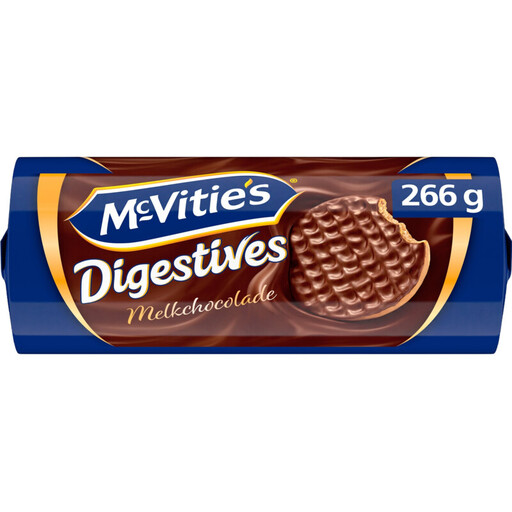 Image unavailable
A milk chocolate digestive for anyone who wants to serve a chocolate biscuit with coffee or tea.
The pack contains 266 g. Check the current allergen information before serving, particularly if wheat, milk or soya is a concern for any of your guests.
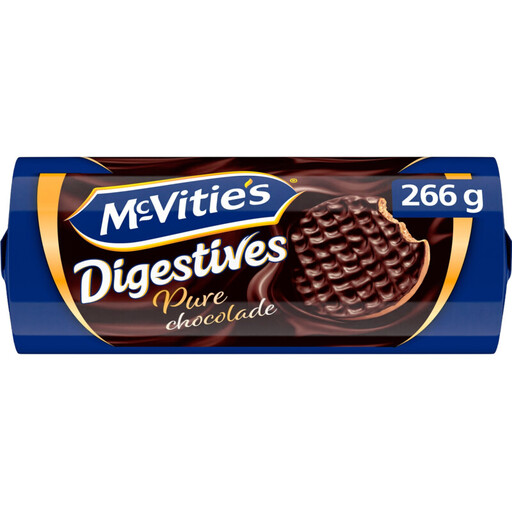 Image unavailable
A dark chocolate digestive if you’d prefer this chocolate version to a plain or milk chocolate biscuit.
The pack contains 266 g. If you have an allergy, check the current information about wheat, milk and soya on the packaging.
The name doesn’t tell you how much fibre, sugar or saturated fat a biscuit contains. Compare the nutritional information for the versions you’re considering per 100 g and, if provided, per biscuit. The Voedingscentrum notes that nutritional values vary between brands.
Don’t assume it’s suitable: the regular digestives reviewed contain wheat. Only choose a product based on the current packaging of that specific item, and check the other allergens too. For example, Jumbo lists milk, oats and soya in its gluten-free milk chocolate digestives.
Check the ingredients list and allergen information on the pack you’re going to serve. The Nederlandse Voedsel- en Warenautoriteit states that the required allergens must be listed on labels for prepacked foods. Also read any ‘may contain’ information that’s relevant to your guest.
Seal an opened pack tightly and follow the storage instructions for that specific product. Joybuy advises storing McVities Digestive Original biscuits in a dry place, preferably somewhere cool.