
Stock-up shopper
You’re looking for a pack of regular digestive biscuits to enjoy with tea or coffee, or to share with visitors. You check whether the pack size suits how often you eat them.


Choose a digestive biscuit based on what matters most to you when shopping: pack size, ingredients, nutritional value or allergens. A wholemeal variety may differ from a regular digestive in its fibre content; a 0% sugar variety may contain sweeteners, and gluten-free does not mean free from other allergens. So compare the label of the variety you want to buy.
You’re looking for a pack of regular digestive biscuits to enjoy with tea or coffee, or to share with visitors. You check whether the pack size suits how often you eat them.
You compare ingredients and nutritional information because fibre, wholemeal ingredients or added sugars influence your choice. Check the values per 100 g and the serving size.
You need to work out whether a specific pack is suitable for your diet. Check the current ingredients list, allergen information and any details about the possible presence of other allergens.
First decide which feature matters most to you. Then compare only varieties whose ingredients and on-pack information meet your needs.
| What to consider | What to check | Who it matters to |
|---|---|---|
| Pack size | Check how many grams are in the pack and choose a quantity that suits how you use them. | If I want to keep biscuits at home for tea or visitors, I look for a pack that suits how often I serve them; around 33% of consumers prioritise stock levels and pack size. |
| Fibre and wholemeal ingredients | Compare fibre per 100 g and check which wholemeal ingredients are listed. | If you want to assess the ingredients in different digestives, look beyond the product name. Around 25% of consumers prioritise fibre and wholemeal ingredients. |
| Added sugars and sweeteners | Check the ingredients, sugar information in the nutrition table and any warnings about sweeteners. | If I want to avoid added sugars, I also want to know which sweeteners the biscuit contains; this is the main consideration for around 25% of consumers. |
| Gluten and allergens | Check the current gluten-free claim, ingredients and information about allergens that are present or may be present. | If I have a gluten or allergen restriction, the specific pack I choose needs to suit my diet. Around 17% of consumers prioritise this check. |
The name doesn’t tell you how much wholemeal ingredient or fibre a biscuit contains. The regular and wholemeal varieties described by Jumbo have different fibre values per 100 g.
Read the ingredients list and compare fibre per 100 g. Also check sugars, fat and salt if they’re relevant to your choice.
Albert Heijn lists sweeteners in AH Digestive 0% sugar and warns that excessive consumption may have a laxative effect.
Check which sweeteners are listed on the pack and read the accompanying warning before choosing this variety.
According to Jumbo, its gluten-free digestive with milk chocolate contains milk, oats and soya, and may contain nuts. So a gluten-free product may not be suitable for every allergen restriction.
Check the full allergen information on the current packaging every time you buy it.
Digestive Original is a familiar branded option if you’re looking for this specific product.
The own-label range described includes a regular digestive, a wholemeal variety and a gluten-free variety with milk chocolate.
AH Digestive 0% sugar is an option if you want to check the information about sugar and sweeteners.
Biscotto is ALDI’s own-label brand for the 400 g pack of digestive biscuits described here.
These products include an Original variety in a 400 g pack and two chocolate varieties in 266 g packs. First decide whether you want a regular digestive or a chocolate variety. For a closer comparison, use the nutritional information on the packaging.
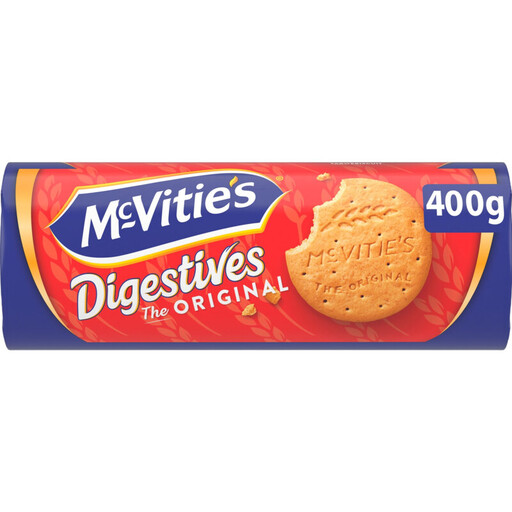 Image unavailable
For anyone looking for a regular digestive to keep at home for tea or coffee. The pack contains 400 g; check the current ingredients and allergen information on the packaging.
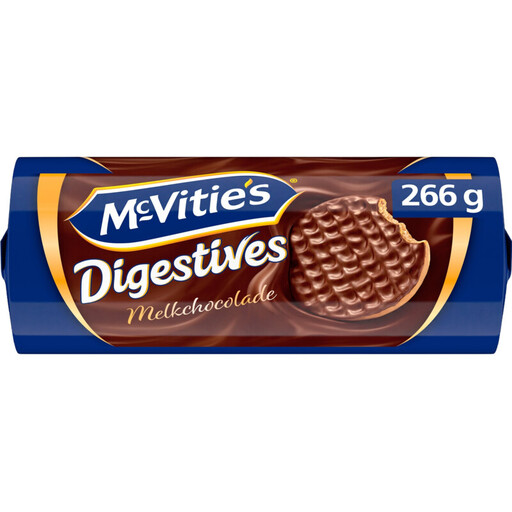 Image unavailable
For anyone looking for a digestive with milk chocolate. The pack contains 266 g; if you have an allergen restriction, check the information on the current packaging.
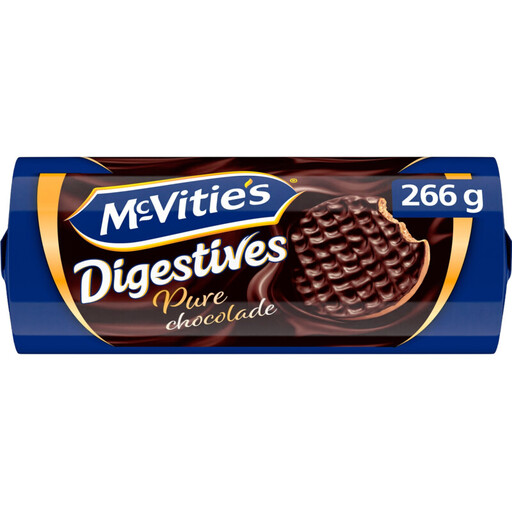 Image unavailable
For anyone looking for a digestive with dark chocolate. The pack contains 266 g; read the current ingredients and nutritional information to compare this variety with other digestives.
No. The name ‘digestive’ doesn’t tell you how much wholemeal ingredient a biscuit contains. If the ingredients matter to you, read the ingredients list and compare fibre per 100 g.
That doesn’t follow from the claim. Albert Heijn lists maltitols and isomalt in AH Digestive 0% sugar and warns that excessive consumption may have a laxative effect.
Not necessarily. According to Jumbo, its gluten-free digestive with milk chocolate contains milk, oats and soya, and may contain nuts. So check the allergen information on the packaging of the variety you’re buying.
Check the current packaging of the product you’re buying, especially for ingredients and allergens. Use online product information to find varieties, but read the label on the pack you choose before eating it.