
Anyone putting together a sharing board
You’ll want a crunchy base for savoury toppings, and may also consider the size, flavour and how easily the toast breaks.


Choose Melba toast or party toast as a base for savoury toppings; a digestive is a biscuit for a sweet occasion and isn’t a substitute for toast. Then compare the shape and flavour for your sharing board, and check the ingredients, nutritional information and allergen details on each pack.
You’ll want a crunchy base for savoury toppings, and may also consider the size, flavour and how easily the toast breaks.
You may want to compare wholemeal options, fibre and salt without relying on the product name alone.
You’ll need the latest ingredients and allergen information. The Netherlands Food and Consumer Product Safety Authority states that allergen information for prepacked foods must appear on the label.
First decide whether you want a base for savoury toppings or a sweet biscuit. Then compare only products that suit that occasion.
| What to consider | What to check before buying | Who it matters to |
|---|---|---|
| Occasion and serving style | Check whether it’s toast, a cracker or a biscuit, and whether its shape and flavour suit how you plan to serve it. | For savoury toppings, I want a crunchy base, not a sweet biscuit. For around 40% of consumers, how a product is served is said to be the main reason for choosing it. |
| Fibre and salt | Compare the nutritional information on the same basis, such as per 100 g, and consider the portion you’ll eat. | If fibre or salt is the deciding factor for me, I want to be able to compare values across packs. For around 30% of consumers, this nutritional profile is said to come first. |
| Ingredients and allergens | Read the latest ingredients list, allergen information and any warnings on the pack. | If I need to check ingredients because of an allergy, the product name can’t replace the label. Checking ingredients and allergens is said to be the top priority for around 30% of consumers. |
Albert Heijn describes a digestive as a wheat biscuit. It’s a different product category from Melba toast or party toast for savoury toppings.
Start with the occasion: choose toast or crackers for savoury toppings, and consider a digestive when you’re looking for a biscuit.
According to the Netherlands Nutrition Centre, bakers aren’t required to use baker’s salt. So don’t assume a bakery product contains iodine based on its name.
Check the ingredients of the toast you choose, or ask the producer about that particular variety if it matters to you.
On their own, these words don’t tell you how much fibre or salt a product contains, or which allergens are present.
Compare the nutritional information per 100 g, and also read the ingredients and allergen information.
Albert Heijn points out that ingredients, nutritional values and allergy information can change.
Use online information to compare products, then check the pack of the product you actually choose when you buy it.
A brand to consider if you’re looking for Melba toast to serve with savoury toppings.
A retailer and own-label brand where you can browse toast and digestive biscuits as separate product categories.
A retailer and own-label brand with toast snacks and mini crackers, as well as Melba toast from Van der Meulen.
A brand to consider if crackers or crispbread would also suit your occasion.
These Joybuy products include Melba toast for savoury toppings, as well as crackers and crispbread if you’re considering a different crunchy base. Digestive biscuits aren’t part of this selection.
 No image available
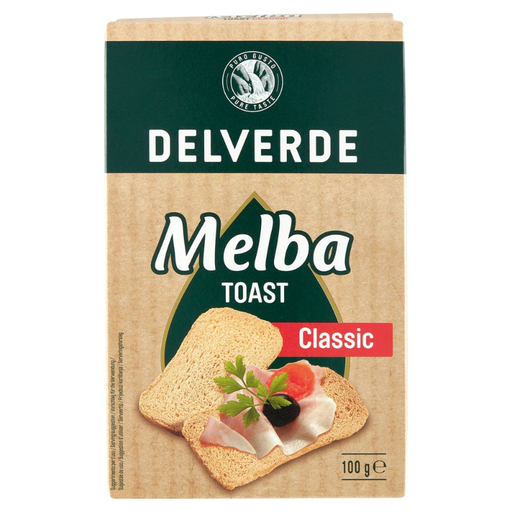
Melba toast to consider if you’re looking for a base for savoury toppings.
Compare the nutritional information with other types of toast, and check the latest ingredients and allergen information on the pack.
 No image available
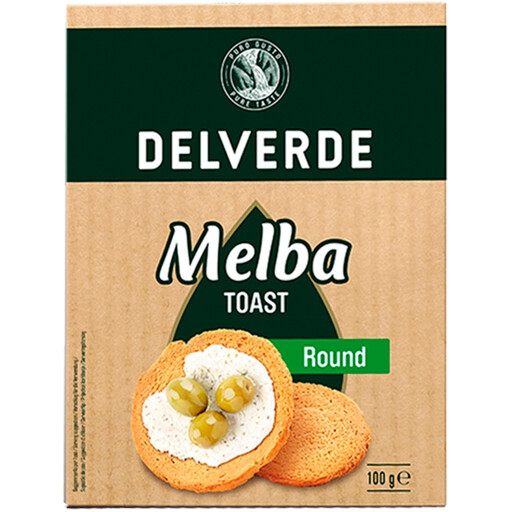
The round shape is worth considering if you’re looking for Melba toast for a sharing board.
Check the ingredients, allergens and nutritional information on the pack you choose.
 No image available
A cracker to compare with Melba toast if you’re looking for a different type of base for toppings.
Don’t let the name High-Fiber replace the nutritional information: compare fibre and salt per 100 g, and check the allergens on the pack.
 No image available
A rye cracker to consider if you want a crunchy base for toppings but don’t necessarily want Melba toast.
Compare the nutritional information per 100 g, and check the ingredients and allergens on the pack you choose.
 No image available
Crispbread to compare if having a base for toppings matters more to you than the shape of Melba toast.
To compare fibre and salt, read the nutritional information and also check the allergens on the latest pack.
No. Albert Heijn describes a digestive as a wheat biscuit and lists toast in a separate category. For savoury toppings, choose a suitable type of toast or crackers; a digestive is better suited to a sweet occasion.
Yes, check the latest packaging for the specific toast. According to the Netherlands Food and Consumer Product Safety Authority, allergen information for prepacked foods must appear on the label; an online product description may have changed since it was published.
No, you can’t tell from the product category. The Netherlands Nutrition Centre says bakers aren’t required to use baker’s salt. Check the ingredients of the toast you choose, or ask the producer for product-specific information.
Follow the storage instructions on the pack of the product you choose. For its digestive biscuits, Albert Heijn recommends storing them in an airtight tin once opened; don’t automatically apply this advice to a different type of toast or biscuit.