Who is this choice relevant to?

Parents looking for a grain-based option to serve more often

You want to know whether crispbread, crackers or biscuits fit with your aim of taking wholegrains and fibre into account. The Netherlands Nutrition Centre recommends looking for the wholemeal option when choosing grain products.

Families looking for a classic biscuit moment

You’re mainly after the flavour and crunch of a digestive biscuit, but also want to consider its sugars, fat, salt and serving size.

Parents packing something for school or an after-school club (BSO)

You’ll need to check the label on the exact pack against the school or after-school club’s rules and any individual allergy arrangements. The grain products reviewed include wheat and other cereals containing gluten.

What should you look for when choosing?

Classic digestive biscuit

Good for: a sweet, plain biscuit when that’s what you want from snack time.

Consider: the name doesn’t tell you how much sugar, fat or fibre it contains; compare the exact variety and serving size.

Wholemeal Melba toast

Good for: a crunchy piece of toast to add toppings to.

Consider: the Van der Meulen variety reviewed also lists salt and allergens, including sesame, soya and cereals containing gluten.

Wholemeal crackers or crispbread

Good for: a base for toppings if you’d rather not choose a sweet biscuit.

Consider: recipes vary, so check the ingredients and nutritional information on the pack you choose.

What to consider What to check when buying Who it’s most relevant to
Wholegrain base Check whether the exact product is labelled wholemeal, and compare fibre and salt per 100 g. I’m looking for a grain-based option rather than a biscuit for regular snack times. For around 42% of consumers, this nutritional consideration comes first.
Biscuit moment Compare sugars, fat and salt per 100 g, then consider how many biscuits you’ll serve. After school, I want to give my child a crunchy, sweet biscuit without losing sight of the portion size. This is the top priority for around 33% of consumers.
Allergens and packing Read the current label, including any warnings about traces, and check the school or after-school club’s rules. If I’m packing something, it needs to meet the allergy arrangements for my child and their group. Around 25% of consumers say this check is their top priority.

Common mistakes

  • Taking the name “digestive” as nutritional advice

    A digestive is still a biscuit. Albert Heijn lists 16 g of added sugars, 21 g of fat and 0.78 g of salt per 100 g for AH Digestive, among other values. The name, or an ingredient such as wholemeal wheat flour, is no substitute for checking the full nutritional information.

    Choose a digestive if you’re looking for a biscuit. If you want a grain-based option to serve more often, compare genuinely wholemeal alternatives too, along with the portions you serve.

  • Letting one value on the pack make the decision for you

    The Van der Meulen Wholemeal Melba Toast reviewed lists 9.7 g of fibre, but also 1.9 g of salt per 100 g. These values answer different questions about the same toast.

    Compare products on the same 100 g basis, then consider how many pieces of toast you’ll serve and what toppings you’ll add.

  • Relying on outdated product information

    Ingredients and allergy information can change. This is especially important when a product is going to school or an after-school club.

    Read the current pack when you buy it, and check for any warnings about traces of allergens too.

  • Assuming a product contains iodine because of its category

    According to the Netherlands Nutrition Centre, using iodised baker’s salt in bread is not compulsory. So you can’t tell how much iodine a product provides just from the words “toast” or “digestive”.

    Base your comparison on information about the specific product, not on an assumption about the salt used.

Brands and product ranges compared

Bolletje

Worth considering if you’re looking at a cracker to add toppings to as an alternative to a digestive biscuit.

  • Bolletje describes its Lichte Crackers Volkoren as made from 100% wholegrain cereals.
  • The product information lists wheat, barley and sesame, among other ingredients. Check the exact pack if you need to follow allergy arrangements.

Van der Meulen

The Wholemeal Melba Toast reviewed is a piece of toast for adding toppings to, and can be compared with a sweet biscuit.

  • The product information lists 9.7 g of fibre per 100 g and a pack containing six small packets.
  • The same variety lists 1.9 g of salt per 100 g and allergens including wheat, barley, rye, sesame and soya.

Albert Heijn huismerk

AH Digestive is a specific biscuit variety to compare with toast or crackers.

  • Albert Heijn lists a 400 g pack of AH Digestive, with ingredients including wheat flour, wholemeal wheat flour and sugar.
  • The product information lists 16 g of added sugars per 100 g. Check the current pack for nutritional information and allergens when you buy it.

Jumbo huismerk

Jumbo Digestive Volkoren is another biscuit variety to compare using the information on the label.

  • Jumbo lists 5.8 g of fibre and 19.3 g of sugars per 100 g for this variety.
  • The product information also lists 1.15 g of salt per 100 g, wheat and possible traces of barley, oats and rye.

Biscotto en Sun Snacks van ALDI

Two different types of product: Biscotto Digestive Biscuits and Sun Snacks Melba Toast Naturel.

  • ALDI lists a 400 g pack of Biscotto biscuits and a 240 g pack of Sun Snacks Melba Toast.
  • If you’re choosing based on nutritional information or allergens, check the label on the specific pack.

Products for this snack choice

These products include crunchy grain-based options for adding toppings to, as well as one classic digestive biscuit. First decide what you’re looking for in a snack, then compare the exact pack and, if you’re packing something, the relevant allergy arrangements.

g'woon Wholemeal Crispbread, 375 g

g'woon Wholemeal Crispbread 375 g

For anyone looking for a crunchy base to add toppings to after school, rather than a digestive biscuit. The pack contains 375 g; check the grain ingredients and allergens on the current label before packing it.

View at Joybuy

Wasa High-Fiber Crackers, 300 g

Wasa High-Fiber Crackers 300 g

A cracker option for anyone looking for a base to add toppings to. The pack contains 300 g; compare the nutritional information per 100 g and check the allergens on the pack if it’s going to school or an after-school club.

View at Joybuy

Bolletje Whole Grain Crispbread, 265 g

Bolletje Whole Grain Crispbread 265 g

A crunchy grain-based option to consider alongside biscuits. The pack contains 265 g; check the label for this specific variety before drawing conclusions from information about other Bolletje crackers.

View at Joybuy
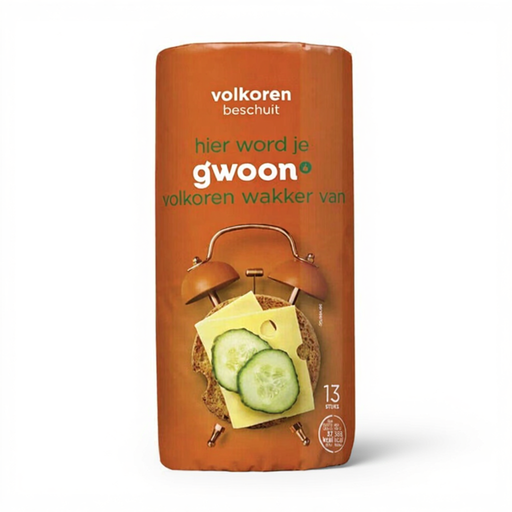
g'woon Wholegrain Crispbreads, 125 g

g'woon Wholegrain Crispbreads 125 g

A smaller pack of crispbreads for anyone considering a base to add toppings to; this variety contains 125 g. Check the label on this specific pack for sugars, ingredients and allergens.

View at Joybuy

McVities Digestive Original, 400 g

McVities Digestive Original 400 g

For anyone specifically looking for a classic digestive biscuit rather than a piece of toast to add toppings to. The pack contains 400 g; consider the nutritional information per 100 g as well as how many biscuits you’ll serve.

View at Joybuy

Frequently asked questions

Should I check for gluten in toast and digestive biscuits?

Yes, read the label on the exact pack if gluten is a factor in your choice. The digestive biscuits and Melba toast reviewed contain, or may contain, cereals with gluten; check which grains and any warnings are listed on the product you choose.

Does the name “digestive” tell me anything about the nutritional value?

No, the name doesn’t tell you how much sugar, fat, salt or fibre a biscuit contains. Compare the specific variety: for example, Albert Heijn lists 16 g of added sugars and 21 g of fat per 100 g for AH Digestive.

Should I always choose wholemeal Melba toast instead of a digestive biscuit?

No, it depends on the snack occasion: Melba toast is a base for toppings, while a digestive is a biscuit. The Van der Meulen Wholemeal Melba Toast reviewed lists 9.7 g of fibre and 1.9 g of salt per 100 g; consider allergens, toppings and portion size when comparing them too.

Do toast and digestive biscuits always provide iodine because they contain baker’s salt?

No, you can’t tell that from the product category. The Netherlands Nutrition Centre says using iodised baker’s salt in bread isn’t compulsory; check the information for the specific product before making a claim about iodine.
