
Shoppers comparing classic biscuits
You want to keep eating digestive biscuits or other classic biscuits, so you compare total fat and saturated fat per 100 g rather than relying on the front of the pack.


If you want to limit your fat intake, start by comparing total fat and saturated fat per 100 g in digestive biscuits. Then consider how many biscuits you eat: a lower figure per 100 g doesn’t tell you how much fat is in your portion. According to Jumbo’s product information, Digestive Volkoren contains 17,7 g of fat per 100 g, while Krokante Digestive contains 20,5 g. A claim about sugar, fibre or gluten doesn’t replace this comparison.
You want to keep eating digestive biscuits or other classic biscuits, so you compare total fat and saturated fat per 100 g rather than relying on the front of the pack.
You want to know how the number of biscuits you eat affects the amount of fat and energy in your portion. That’s why the figures per biscuit or per portion matter alongside those per 100 g.
You need to take certain ingredients or allergens into account as well as fat content. First check which biscuits meet your requirements, then compare their nutritional values.
Start by comparing suitable digestive biscuits and other classic biscuits per 100 g. Then use the portion size and any dietary requirements to decide which information matters most for your choice.
| What to look for | What to check when buying | Who it matters to |
|---|---|---|
| Total and saturated fat | Compare both values per 100 g in similar biscuits. The Netherlands Nutrition Centre recommends comparing products on this basis. | If I want to eat less fat, I need to be able to see which suitable biscuit contains less total and saturated fat per 100 g. Around 42% of consumers put this fat comparison first. |
| Portion size and energy | Read the nutritional values per portion and check how many biscuits that portion includes. | When I’m having a biscuit with my coffee, I want to compare my usual number of biscuits with the figures on the label. That’s why around 33% of consumers put portion size first. |
| Claims and varieties | If a product makes claims about sugar or fibre, check the fat values too. If needed, compare a chocolate variety with a plain one. | When choosing between varieties, I don’t want to assume that a prominent claim also means less fat. Around 17% of consumers give this check top priority. |
| Gluten and allergens | Check the ingredients and allergens against your requirements, then look at the fat values of the suitable products too. | If I need to avoid an ingredient, a biscuit must meet that requirement first, even if another biscuit contains less fat. That’s the first concern for around 8% of consumers. |
According to the product information at Jumbo, McVitie's Digestives Original contains 21,3 g of fat and 10,1 g of saturated fat per 100 g. The Milk Chocolate variety lists 23,6 g and 12,4 g respectively.
If fat content matters to you, compare a chocolate digestive with a plain variety. Don’t assume this example applies to every chocolate-coated biscuit.
Albert Heijn states that AH Digestive 0% suiker contains 0 g of added sugars, but also 20 g of fat per 100 g. These figures answer different questions.
Check the fat and saturated fat figures separately when choosing biscuits to limit your fat intake.
A biscuit’s name doesn’t prove that it has an effect on digestion. According to Jumbo’s product information, the biscuit ingredients in McVitie's Digestives Melkchocolade don’t contain any substances that aid digestion.
Base your purchase on the nutritional information, ingredients and portion size, not on an assumed effect suggested by the product name.
Jumbo lists 24,3 g of fat per 100 g for Lekker Vrij van Gluten Digestives Melkchocolade. A gluten-free claim says nothing about this value in itself.
If you need a gluten-free option, check the label first, then compare the fat content of products that are suitable for you.
These brands offer examples of product varieties and labels to compare. The values listed apply to the specific biscuits, not to the brand as a whole.
Jumbo offers, among other products, a wholemeal digestive, a crunchy standard variety and a gluten-free chocolate digestive.
The standard AH Digestive and AH Digestive 0% suiker show why choosing based on sugar is separate from choosing based on fat.
Original and Milk Chocolate are two different digestive varieties whose nutritional values you can compare.
Original Speculoos is another classic biscuit to compare with digestives, but it isn’t a digestive itself.
ALDI describes Biscotto Digestive Biscuits as wheat biscuits in a 400 g pack containing around 27 biscuits.
These oat biscuits are an option if you want to assess the labels on other biscuits as well as digestives. The product name doesn’t describe them as digestives.
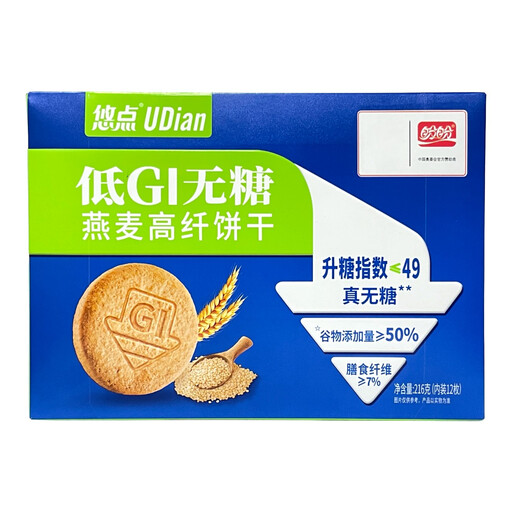 Image unavailable
For anyone who wants to compare oat biscuits as well as digestives. Check the fat content per 100 g and the portion size on the pack. Don’t assume claims about sugar or fibre mean the product is lower in fat.
No. Don’t assume it has this effect based on the name. According to the product information at Jumbo, the biscuit ingredients in McVitie's Digestives Melkchocolade don’t contain any substances that aid digestion.
No. A claim about sugar doesn’t tell you how much fat the biscuit contains. Albert Heijn lists 0 g of added sugars and 20 g of fat per 100 g for AH Digestive 0% suiker. Compare the fat values and your portion size to make the right choice for you.
Compare the nutritional information per 100 g, then look at the portion you eat. The Netherlands Nutrition Centre recommends using the values per 100 g when comparing products. For your own portion, the number of biscuits you eat matters too.
Not necessarily: Jumbo’s gluten-free chocolate digestive lists 24,3 g of fat per 100 g. If you need to avoid gluten, first check that the product meets your requirements, then compare the fat values of suitable biscuits.
Seal the biscuits well after opening and store them in a dry place. Albert Heijn recommends keeping its Digestive in a sealed tin. McVitie's Original product information on Joybuy advises storing it in a cool, dry place and keeping the pack tightly closed.