Before packing a digestive biscuit for school, first check the school's rules and the allergens listed on the packaging. The classic and wholemeal varieties reviewed contain wheat; the gluten-free chocolate variety reviewed contains milk, oats and soya, and may contain nuts. Then compare the nutritional information, portion size and packaging: wholemeal, classic and chocolate biscuits are not interchangeable choices.
Who is this comparison for?
Parents checking allergens and school rules
If wheat, gluten, milk, soya, oats or a possible nut warning matter, the allergen information on the pack you choose must fit your individual requirements. Also check what the school allows children to bring in.
Families comparing wholemeal digestives
The name ‘digestive’ doesn’t tell you how much wholemeal flour or fibre a biscuit contains. Compare the proportion of wholemeal ingredients and the nutritional information, including fibre, sugars and salt.
Families packing biscuits for school days
For these families, portion size, how many occasions the pack will cover and how to store it once opened all matter. A large pack isn’t automatically convenient for a school bag.
What should you look for when choosing?
First, establish which biscuits are suitable under the school’s rules and according to the allergen information. Then compare the ingredients and nutritional information of the options that remain, and consider how you’ll use the pack over the school week.
| What to consider | What to check before buying | Who it matters to |
|---|
| Allergens and school rules |
Read the allergen information and ‘may contain’ warnings on the pack; check the school’s rules. |
If an ingredient or school rule could rule out a product, I want to know before packing it. For around 31% of consumers, allergens and school rules would be the first thing to consider. |
| Wholemeal content and nutritional information |
Compare the proportion of wholemeal ingredients, fibre, sugars and salt per 100 g; also check the portion size. |
I want to judge a wholemeal digestive by its ingredients and nutritional information, not just its name. For around 25% of consumers, comparing the label would come first. |
| Pack size and how you’ll use it |
Compare the net weight and portion size with how many biscuits you expect to use and how you’ll store the pack after opening. |
A large pack only works for me if we’ll use it. A practical pack size would be the main consideration for around 25% of consumers. |
| Packing and portioning |
Check the stated portion size and whether the packaging suits the way you want to take the biscuits with you. |
For a school day, I want to decide in advance what to take and how to pack it. For around 19% of consumers, practical use would carry the most weight. |
Common mistakes
-
Assuming all digestives are the same when it comes to allergens
The classic and wholemeal varieties reviewed contain wheat. The gluten-free chocolate variety reviewed contains milk, oats and soya, and may contain nuts.
Read the full allergen information on the exact pack you’re buying and check it against individual requirements and the school’s rules.
-
Assuming ‘wholemeal’ or ‘digestive’ means a health benefit
On their own, these words don’t tell you how much fibre, sugar or salt a biscuit contains. The Netherlands Nutrition Centre recommends fruit and vegetables as snacks for children.
Compare digestives by their ingredients, nutritional information per 100 g and portion size. Don’t use the product name as a verdict on its overall nutritional value.
-
Looking only at the pack weight
A 400 g pack doesn’t tell you how many biscuits you’ll want to take on a school day or how you’ll store the rest once it’s open.
Check the portion size and storage instructions, and decide whether portioning the biscuits in advance would be practical for you.
-
Assuming speculoos is the same type of biscuit
Lotus Biscoff Speculoos is speculoos, not a digestive. According to Albert Heijn’s product information, the variety reviewed contains wheat, soya and cereals containing gluten.
Choose speculoos only if that’s the type of biscuit you want; don’t use it as a substitute if wheat or gluten needs to be avoided.
Brands compared
Albert Heijn
The AH Digestive and AH Digestive wholemeal varieties reviewed offer two different recipes from the same own brand.
- For AH Digestive wholemeal, Albert Heijn lists 37% wholemeal wheat flour and 6 g of fibre per 100 g.
- The varieties reviewed contain wheat; also check the packaging for any other cereals containing gluten.
Jumbo
The Jumbo products reviewed include classic and wholemeal digestives, as well as a gluten-free variety with milk chocolate.
- The product information makes it possible to compare the ingredients and allergens in these varieties.
- The gluten-free chocolate variety reviewed contains milk, oats and soya, and may contain nuts.
McVitie's
Digestives Original is a classic variety to compare with own-brand digestives.
- For the Original variety reviewed, you can compare the nutritional information listed per 100 g with that of other varieties.
- According to Jumbo’s product information, the Original variety reviewed contains wheat and may contain milk.
Verkade
The Digestive Original reviewed is another classic branded variety to include in a label comparison.
- Ingredients and allergens are useful points to compare with other classic digestives.
- The variety reviewed contains wheat and may contain milk; check the current packaging when buying.
Lotus Biscoff
Biscoff Speculoos is a different type of biscuit for anyone specifically looking for speculoos, not a digestive.
- Knowing the difference between the types of biscuit helps you avoid confusing a flavour choice with a digestive comparison.
- According to Albert Heijn, the speculoos variety reviewed contains wheat, soya and cereals containing gluten.
Digestive varieties at Joybuy
This selection includes a Digestive Original and two chocolate digestives. If you’re choosing biscuits for a school bag, focus on the allergens, the variety you want and how you’ll portion the biscuits. The chocolate varieties aren’t plain digestives.
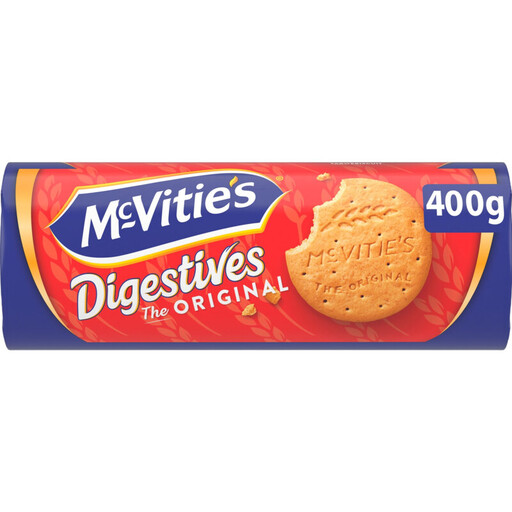 Image unavailable
McVitie's Digestive Original, 400 g
Worth considering if you’re looking for a classic digestive without a chocolate coating. The Original variety reviewed contains wheat and may contain milk; check the current allergen information and school rules before packing it.
View at Joybuy
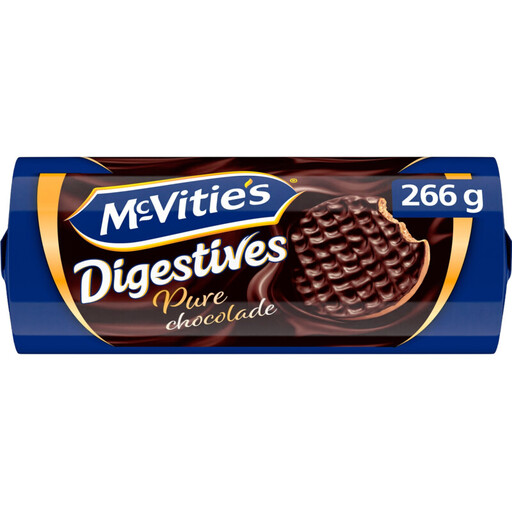 Image unavailable
McVitie's Digestives with Dark Chocolate, 266 g
For anyone specifically looking for a digestive with dark chocolate. This isn’t a plain digestive; check the allergen information, the school rules and whether the packaging suits the way you plan to pack it.
View at Joybuy
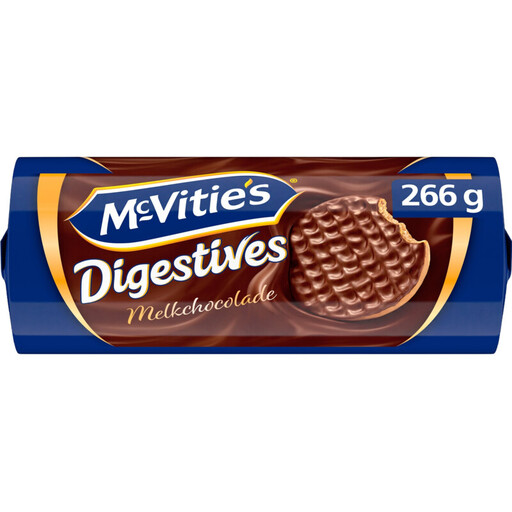 Image unavailable
McVitie's Digestives Milk Chocolate, 266 g
For anyone looking for a digestive with milk chocolate rather than a variety without a chocolate coating. Before packing it, check the allergens on the pack, the school rules and how you want to take a portion with you.
View at Joybuy
Frequently asked questions
Can you take a digestive biscuit to school?
That depends on the school’s rules. Check the school handbook or ask what’s allowed for snack time in class before packing biscuits.
Are plain digestives gluten-free?
The classic and wholemeal digestives from Albert Heijn and Jumbo reviewed here contain wheat. If gluten needs to be avoided, check the label and full allergen information for the specific product you want to buy.
Is a gluten-free digestive suitable for every allergy?
No. The Jumbo Lekker Vrij van Gluten Digestives Melkchocolade reviewed here contains milk, oats and soya, and may contain nuts. Check the current packaging against individual allergy requirements.
Does ‘digestive’ say anything about what the biscuit does?
No. Don’t assume the name means it has an effect on digestion. To compare products, look at the ingredients and nutritional information, such as fibre, sugars and salt per 100 g.
How should I store an opened pack for the next few school days?
Follow the storage instructions on the pack. For the AH Digestive reviewed here, Albert Heijn recommends storing the biscuits in a sealed tin after opening. For other varieties, check the packaging and only portion them in advance if that works for taking them with you.


