Choose a plain digestive if you want to share a classic biscuit, or opt for a chocolate version if you fancy a different flavour. If the biscuit needs to be gluten-free, choose a product that is explicitly labelled as gluten-free and check the current label for other allergens too. Speculoos can also be served with drinks, but it isn’t a digestive biscuit.
Who are these biscuits for?
For anyone who wants to share a classic biscuit
Whether you’re serving coffee, tea or a drinks spread with something sweet, look for a plain digestive in a pack that suits the number of guests. It’s also worth thinking about what you’ll do with any biscuits left over.
For anyone who needs to check allergens carefully
The name ‘digestive’ doesn’t tell you whether a biscuit is suitable for your diet. Check the ingredients and allergen information on the current packaging, even if the product is labelled gluten-free.
For anyone looking for a more distinctive flavour
A chocolate digestive or caramelised speculoos offers something different from a plain digestive. Speculoos is a different type of biscuit, not a digestive variation.
What should you look for when choosing?
First, decide which biscuit you want to serve and whether anyone at the table needs to avoid particular allergens. Then check the pack size and the nutritional information that matters for your choice.
| What to consider |
What should you check? |
Who is this important for? |
| A classic biscuit to share |
Check the type of biscuit, the pack size and the storage advice once opened. |
If I’m serving a plain biscuit with coffee or tea, I want a pack that’s easy to share. This classic choice is the priority for around 37% of consumers. |
| A suitable quantity |
Compare the net weight with the number of guests and consider whether you can store any leftover biscuits properly. |
For a small get-together, I don’t want to open more than I can use or store. The right pack size matters most to around 27% of consumers. |
| Gluten and other allergens |
Read the current ingredients and allergen information. If you’re choosing a gluten-free digestive, check which other allergens it may contain too. |
If someone at the table needs to avoid gluten or another allergen, checking the label comes before choosing a flavour. This is the main concern for around 18% of consumers. |
| A different flavour |
Choose deliberately between plain, chocolate and speculoos; compare the nutritional information per 100 g if needed. |
For this get-together, I specifically want a chocolate digestive or the caramelised flavour of speculoos. This flavour preference is the deciding factor for around 18% of consumers. |
Common mistakes
-
Judging the whole biscuit by its fibre claim
The Consumentenbond points out that biscuits can carry a fibre claim too. On its own, this claim doesn’t tell you how much fibre a serving contains or what the rest of its nutritional profile looks like.
Voedingscentrum advice is to compare the nutritional information per 100 g. For the portion you plan to serve, also check the fibre, sugars, fat and salt content.
-
Assuming a biscuit is gluten-free because it’s called a digestive
The plain digestives described from Albert Heijn, Jumbo and McVitie's contain wheat or gluten. The gluten-free Schär Digestive Landtaler described here contains soya and may contain egg and lupin.
Check the current label every time you buy, for any allergens that are relevant to you or your guests.
-
Opening a large pack without a storage plan
If you have biscuits left over, sealing the pack properly is important to help maintain their quality after opening.
Choose a pack size that suits your get-together and follow the storage advice on the packaging. Seal an opened pack tightly or use an airtight tin.
Brands compared
Albert Heijn
AH Digestive 400 g is a plain option for anyone looking to serve a classic biscuit.
- A 400 g pack for a plain digestive.
- The version described contains wheat and may contain barley, oats and rye; check the current label.
Jumbo
Jumbo Krokante Digestive is a 400 g plain option, while chocolate digestives are a separate flavour choice.
- A clear choice between plain and chocolate.
- The plain version described contains wheat and gluten. Compare the nutritional information for each version separately.
McVitie's
Digestives Original is the brand’s plain option, and chocolate versions are also available.
- Original is available in a 400 g pack and a 2 × 400 g multipack.
- The Original described contains wheat and gluten and may contain milk. Choose a pack size you can use up or store properly.
Schär
Digestive Landtaler is a separate option if you need a biscuit that is explicitly labelled gluten-free.
- The packaging described is labelled gluten-free, wheat-free and lactose-free.
- The product contains soya and may contain egg and lupin; gluten-free doesn’t mean allergen-free.
Biscotto
Biscotto Digestive Biscuits is a plain digestive in a 400 g pack.
- ALDI describes the pack as containing around 27 biscuits.
- Check the packaging itself if you’re choosing based on ingredients or allergens.
Lotus Biscoff
Lotus Biscoff Speculoos is a caramelised alternative to serve with coffee or tea, but it isn’t a digestive.
- A different flavour option from a plain digestive.
- The speculoos described contains wheat and soya; don’t treat it as interchangeable with a digestive.
Digestive biscuits for drinks at Joybuy
These two McVitie's products suit different tastes for a get-together: a plain digestive to share and a milk chocolate version.
 Image unavailable
McVitie's Digestives Original 400 g
A plain digestive for anyone who wants to share a classic biscuit with drinks.
400 g pack. The Original described contains wheat and gluten and may contain milk; check the current label if allergens are relevant to your choice.
View at Joybuy
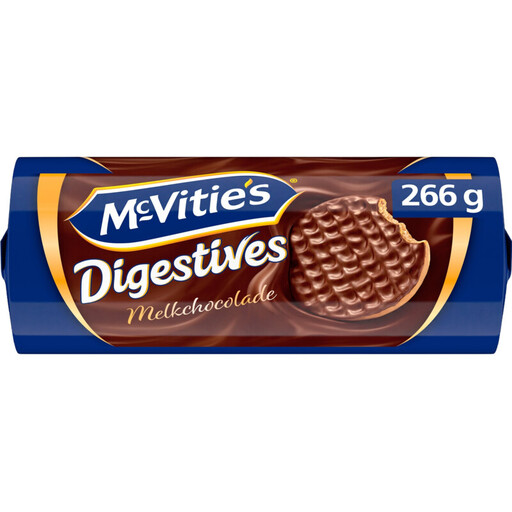 Image unavailable
McVitie's Digestives Milk Chocolate 266 g
A milk chocolate digestive for anyone who wants to serve a chocolate version rather than a plain one with drinks.
266 g pack. Check the current ingredients, allergen information and nutritional details if you want to compare this version with the plain one.
View at Joybuy
Frequently asked questions
Does a fibre claim automatically make a digestive a better choice?
No. A fibre claim doesn’t tell you the biscuit’s full nutritional value. Voedingscentrum recommends comparing products per 100 g; also consider the portion you plan to serve and the listed sugars, fat and salt.
Can I serve a regular digestive to someone who needs to avoid gluten?
Don’t assume so: the plain digestives described from Albert Heijn, Jumbo and McVitie's contain wheat or gluten. Schär Digestive Landtaler is explicitly labelled gluten-free, but contains soya and may contain egg and lupin. Always check the current label.
How should I store digestives once the pack is open?
Follow the storage advice on the packaging and seal the opened pack tightly. The plain digestives described should be stored in a dry place; an airtight tin is useful if you won’t serve the rest at the same get-together.
What should I check on the pack if someone needs to avoid an allergen?
Read the current ingredients list and any warnings about possible cross-contamination. The Netherlands Food and Consumer Product Safety Authority explains that 14 allergens must be listed on labels. Check for any allergens relevant to the person at the table, even if the biscuit is labelled gluten-free.


