
Organisers of children’s or family groups
They want to hand out biscuits after the Easter egg hunt, so they pay attention to the pack size and number of portions.


Choose a 400 g pack of plain digestive biscuits if you want to share biscuits after the Easter egg hunt and the ingredients suit the group. If anyone needs a gluten-free biscuit, choose one labelled gluten-free and check the other allergens too. A chocolate variety offers a different flavour, but may contain additional allergens, so check the current packaging before serving.
They want to hand out biscuits after the Easter egg hunt, so they pay attention to the pack size and number of portions.
They need to check which ingredients and warnings are relevant for each participant. A standard digestive made with wheat is not suitable if a gluten-free product is needed.
They could consider chocolate digestives, or choose speculoos as a different kind of biscuit. With either option, the ingredients and allergens remain key.
First, check that the biscuits suit any known dietary requirements in the group. Then compare the quantity, preferred flavour and where you can buy the pack.
| What to consider | What to check when buying | Who it matters to |
|---|---|---|
| Allergens | Read the ingredients and warnings on the current packaging. Look for a gluten-free label if needed. | If someone in my group needs to avoid certain ingredients, I want to know which biscuit I can offer first. For around 31% of consumers, suitability comes first. |
| Quantity and storage | Compare the net weight and, if stated, the number of biscuits or portions. Check how to store the pack after opening. | After the hunt, I want to be able to hand out enough biscuits without leaving an opened pack out for longer than necessary. For around 25% of consumers, the quantity for the group is their main concern. |
| Flavour | Choose between plain and chocolate; if you opt for chocolate, check the allergens again. Lotus Biscoff is speculoos, not a digestive biscuit. | I want the biscuits to be a treat at the end, so I’m more likely to choose a distinctive flavour. For around 25% of consumers, flavour is the most important factor. |
| Availability | Check that the pack you want is available and read the full product information on the packaging. | I want to be able to pick up a pack in good time that also suits my group. For around 19% of consumers, this practical consideration comes first. |
The product name does not mean that a biscuit helps with digestion. McVitie’s says that Pure Chocolate contains no ingredients that do this.
Choose based on the product type, ingredients, allergens and flavour, not on an assumed effect of the name.
The wholemeal digestives described by Albert Heijn and Jumbo contain wheat. Wholemeal and gluten-free are different characteristics.
If you need a gluten-free option, choose a product labelled gluten-free and check the other relevant allergens too.
The standard digestives mentioned come in 400 g packs, while the Schär Digestive Landtaler described comes in a 3 × 50 g pack. This difference matters when you’re buying for a group.
Match the net weight and, where stated, the number of portions to the number of participants.
Previous packaging or a web page may not match the product you’re serving now. Lidl says it does not publish a complete online list of ingredients and allergens for its food products.
Read the physical packaging just before serving, especially if a participant has a relevant allergy or dietary requirement.
Original and Pure Chocolate are two different digestive varieties for anyone choosing between plain and chocolate.
AH has a standard Digestive and a separate wholemeal variety, both described as 400 g packs.
Jumbo Digestive Volkoren is an option if you specifically want to offer a wholemeal wheat digestive.
Digestive Landtaler is a biscuit labelled gluten-free, available in a 3 × 50 g pack.
Biscotto is ALDI’s own brand for a 400 g pack of digestive wheat biscuits.
Original Speculoos is an alternative for anyone specifically looking for a caramelised flavour, not a digestive variety.
These Joybuy products suit two different choices for after the Easter egg hunt: a 400 g pack of plain digestives to share, or a smaller pack with milk or dark chocolate. For all three, check the current ingredients if anyone in the group has allergies.
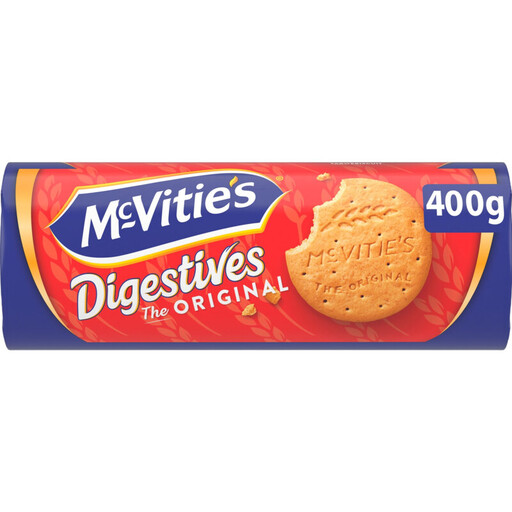 Image unavailable
A plain wheat digestive for anyone who wants to share biscuits from a larger pack after the Easter egg hunt.
The Joybuy product page lists 16% wholemeal wheat flour. The product contains wheat and may contain milk; check the current packaging before serving.
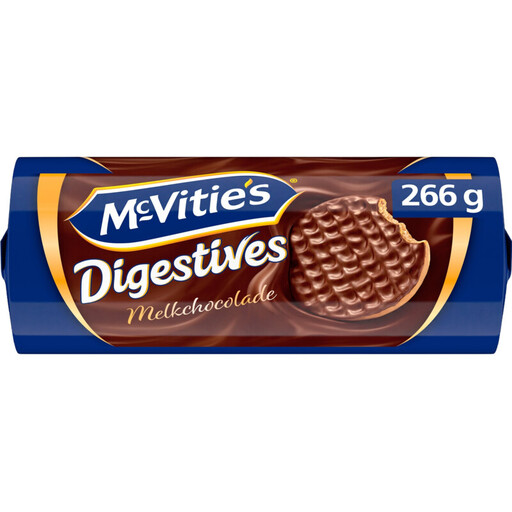 Image unavailable
A milk chocolate digestive for anyone who wants to serve a chocolate variety after the hunt.
The pack contains 266 g. This variety contains milk, soya and wheat; check the packaging for other warnings and the number of biscuits if you’re planning for a group.
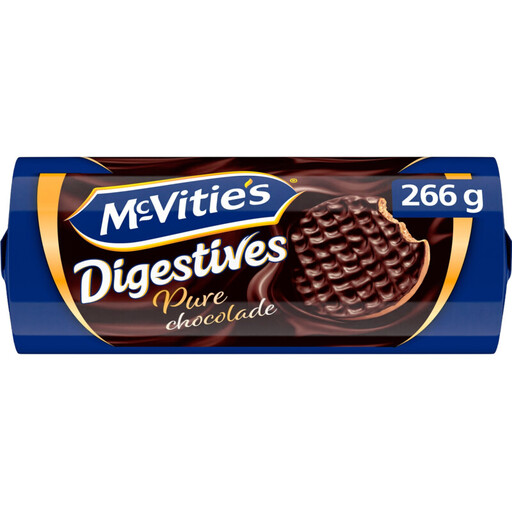 Image unavailable
A dark chocolate digestive for anyone who wants to offer a different chocolate flavour from the milk chocolate variety.
The pack contains 266 g. This variety contains milk, soya and wheat; check the packaging for other warnings and the number of biscuits if you’re planning for a group.
No, don’t assume they are: the standard digestives described from McVitie’s and Albert Heijn contain wheat. If you need a gluten-free product, choose a biscuit labelled gluten-free and check the other allergens too.
Check the current packaging for ingredients and warnings that are relevant to the participants. According to the Netherlands Food and Consumer Product Safety Authority, the allergens that must be declared have to be clearly listed on the label of prepacked foods. For the varieties mentioned here, make sure you check for wheat, milk and soya, and, where applicable, warnings for egg or lupin.
No, a chocolate coating means you need to check the ingredients again. According to Jumbo, the McVitie’s Pure Chocolate described contains wheat, milk and soya; only choose this variety if those ingredients suit the group.
For an unopened pack of dry biscuits, check their appearance, smell and taste, and follow the instructions on the packaging. The Netherlands Nutrition Centre distinguishes between a best-before date and assessing the product after that date; don’t use damaged packaging for the group.
Check the physical packaging instead. Lidl Netherlands says it does not publish a complete online list of ingredients, allergens and nutritional values for its food products.