
People with coeliac disease
Before choosing a biscuit, they want to check the gluten-free label and any cross-contamination warnings on the current packaging. The Dutch Coeliac Society highlights the importance of these warnings.


If you have coeliac disease, don’t choose a biscuit based on the word ‘digestive’. First check the gluten-free label, ingredients and warnings on the current packaging. Schär Digestive Landtaler is a gluten-free biscuit without chocolate; Jumbo Lekker Vrij van Gluten Digestives Melkchocolade is a chocolate version made with gluten-free oats. They contain different other allergens, so the packaging remains the deciding factor whichever variety you choose.
Before choosing a biscuit, they want to check the gluten-free label and any cross-contamination warnings on the current packaging. The Dutch Coeliac Society highlights the importance of these warnings.
They’re looking for a gluten-free biscuit to enjoy with tea or use as a biscuit base, and compare ingredients, allergens and fibre per 100 g. Jumbo describes Schär Digestive Landtaler as a gluten-free biscuit that can also be used as a cake base.
They’re considering other types of gluten-free biscuits as well as digestives. Albert Heijn and Jumbo’s product listings offer some options, but ranges can change, so the packaging of the product you choose is what matters.
Start by checking the gluten-free label and any warnings on the packaging. Then compare only biscuits that meet your other requirements, looking at the type of biscuit, ingredients and nutritional information.
| What to consider | What to check before buying | Who it matters most to |
|---|---|---|
| Gluten-free label and warnings | Read the gluten-free label and any warnings about cereals containing gluten on the current packaging. | When I’m buying for someone with coeliac disease, I don’t want to rely on the biscuit’s name to spot a possible cross-contamination warning. This check comes first for around 36% of consumers. |
| Type of biscuit, fibre and oats | Compare the type of biscuit and fibre per 100 g; if it’s an oat biscuit, check whether the oats are labelled gluten-free. | For a biscuit to enjoy with tea or use as a base, I’m specifically looking for a digestive-style biscuit, but I want to know whether the variety contains oats. Around 29% of consumers give this product choice top priority. |
| Other allergens | Check the ingredients, highlighted allergens and any ‘may contain’ statements against your own dietary restrictions. | A gluten-free label isn’t enough for me if I also need to avoid milk, soya or another allergen. These additional restrictions are the biggest consideration for around 21% of consumers. |
| Range and choice of shop | See which types of gluten-free biscuits the shop currently stocks and check the label of the variety you choose. | If my usual biscuit isn’t available, I want to be able to choose another type without skipping the label check. This choice of shop comes first for around 14% of consumers. |
Digestive describes a type of biscuit, not whether it’s gluten-free. Albert Heijn’s product information lists wheat flour and cereals containing gluten for regular Lotus Biscoff Speculoos.
Use the biscuit’s name to find a flavour or texture you like, but check the current packaging to see whether it’s suitable for someone with coeliac disease.
Gluten-free digestives may still contain other allergens. According to Jumbo’s product information, Schär Digestive Landtaler contains soya and may contain lupin and egg; Jumbo Lekker Vrij chocolate digestives contain milk, oats and soya and may contain nuts.
Even with a trusted gluten-free product, check the ingredients and allergen information against your personal dietary restrictions.
A warning about possible cross-contamination gives you information that you won’t find from the ingredients list alone. According to the Dutch Coeliac Society, ‘may contain cereals containing gluten’ and ‘not suitable for people with coeliac disease’ indicate the same possible risk.
Read the whole pack, including the warnings, before choosing a biscuit for someone with coeliac disease.
A biscuit shown in a shop’s product listing may not be available in every store at all times. Gluten-free product listings may also include different types of biscuits.
Check what’s currently available when planning your shop, and check the packaging again if you choose an alternative.
Schär Digestive Landtaler is a gluten-free digestive biscuit for anyone looking for a variety without chocolate.
Jumbo’s gluten-free range includes Digestives Melkchocolade and other types of biscuits.
Consenza offers a range of gluten-free biscuits for people looking for something other than just digestives.
Albert Heijn’s gluten-free biscuit listing is a starting point if you’re considering types of biscuits other than digestives.
Regular Lotus Biscoff Speculoos can serve as a familiar biscuit for comparison, but it isn’t a gluten-free option for someone with coeliac disease.
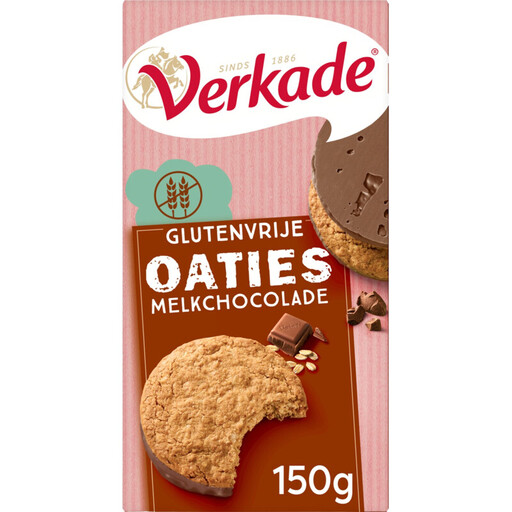
If you’re considering a gluten-free oat biscuit with milk chocolate as an alternative to digestives, this Verkade Oaties variety is another type to look at. If you have coeliac disease, check the current packaging, including any warnings.
 No image available
An oat biscuit with milk chocolate for anyone looking for something other than a digestive and who can eat oats.
Joybuy’s product information lists gluten-free oats. Check the gluten-free label and any warnings about cross-contamination with gluten on the current packaging.
The product information lists milk, oats and soya, and states that the product may contain nuts. Joybuy also notes that some people with coeliac disease may be sensitive to oat protein.
The ‘gluten-free’ label is subject to specific requirements: according to the Dutch Coeliac Society, a product can use this label if it contains less than 20 mg of gluten per kg of product. Also check the current ingredients and warnings. The European Commission sets out the requirements for gluten-free labelling in the EU.
No, regular Lotus Biscoff Speculoos isn’t a gluten-free option. Albert Heijn’s product information lists wheat flour and identifies wheat and cereals containing gluten as allergens. Don’t assume the same applies to other Lotus varieties.
An oat biscuit may be suitable if the product itself is labelled gluten-free and oats are right for you. Check the other allergens and the packaging too: Joybuy’s product information lists gluten-free oats for Verkade Gv Oaties and notes that some people with coeliac disease may be sensitive to oat protein.
Take any warning about possible cross-contamination into account, even if gluten isn’t listed as an ingredient. According to the Dutch Coeliac Society, ‘may contain cereals containing gluten’ and ‘not suitable for people with coeliac disease’ indicate the same possible risk. Don’t base your choice solely on the product name or where it’s placed in the shop.
Read the current packaging every time you buy, as ingredients and allergen information can change. Albert Heijn recommends checking the packaging even if you’ve bought the product before.