
Bakers making a cheesecake base
You want biscuits that can be finely crushed and pressed into a base without overpowering the flavour of the filling. Rutger Bakt recommends digestives for a cheesecake base because of their firm, crumbly texture.


Choose a plain digestive if you want the filling to provide the main flavour, or a chocolate digestive if you want the base to taste of chocolate too. Rutger Bakt recommends digestives for a crumb base; grind them finely and follow your recipe for the quantities of biscuits and butter. If you have a gluten restriction or need to avoid certain allergens, check the packaging for your chosen variety and the other ingredients in the recipe.
You want biscuits that can be finely crushed and pressed into a base without overpowering the flavour of the filling. Rutger Bakt recommends digestives for a cheesecake base because of their firm, crumbly texture.
You’re choosing biscuits not just for the crumbs, but for the chocolate layer too. Albert Heijn and Jumbo state that their dark chocolate digestives reviewed here contain 30% chocolate; the exact variety matters.
You’ll need to look beyond standard digestives and check for other allergens too. Jumbo’s gluten-free milk chocolate digestive lists milk, oats and soya, and may contain nuts.
First decide whether the base should mainly support the filling or add a chocolate flavour of its own. Then check how much biscuit you need and, if it matters to your choice, the ingredients in the exact variety.
| What to consider | What to check when buying | Who it matters to |
|---|---|---|
| Texture and flavour | Choose a digestive that you can crush according to your recipe; decide whether you want a base without a chocolate layer. | If the filling should take centre stage, I want a biscuit I can grind finely without adding a strong chocolate flavour. Around 50% of consumers prioritise this. |
| Chocolate layer | Compare the type of chocolate and, where stated, the chocolate percentage and nutritional information per 100 g. | I want the base of my dessert to taste of chocolate, even if that makes it less neutral. Around 30% of consumers prioritise this chocolate flavour. |
| Gluten and allergens | Read the label for the exact variety and check the other ingredients in your recipe too. | If I need to avoid certain ingredients, the biscuit’s name alone isn’t enough to tell me whether the whole base is suitable. Around 20% of consumers prioritise this check. |
The standard chocolate digestives reviewed here contain wheat, milk and soya. Jumbo’s gluten-free milk chocolate variety also lists milk, oats and soya, and may contain nuts.
Read the label for the exact variety you’re buying, and check the butter, filling and topping separately.
A chocolate layer or speculoos gives the base a flavour of its own. This changes how it pairs with a subtle filling.
Before you buy, decide whether you want a plain digestive base or would rather taste chocolate or speculoos in the base.
Albert Heijn notes that product ingredient and allergy information can change.
If you need to avoid certain ingredients, use the label on the pack you’re actually buying to make your decision.
Dr. Oetker uses 250 g of digestives for a cheesecake base in a 9-inch springform tin. A 165 g pack won’t provide enough on its own.
Compare the biscuit weight in your recipe with the net weight of the pack you’ve chosen.
Offers 266 g milk chocolate and dark chocolate digestives; both varieties reviewed here state that they contain 30% chocolate.
The AH Digestive Dark variety reviewed here comes in a 300 g pack and contains 30% dark chocolate.
The varieties reviewed here include a 300 g dark chocolate digestive and a separate 165 g gluten-free milk chocolate digestive.
Verkade uses Digestive Original in its own recipe for a crumb-based dessert base.
The speculoos with Belgian chocolate reviewed here offers a different base flavour from a classic digestive.
These Joybuy products include two chocolate digestives for a chocolate-flavoured base and a Digestive Original for when you want the filling to shine through. For each product, compare the pack size with the quantities and ingredients in your recipe.
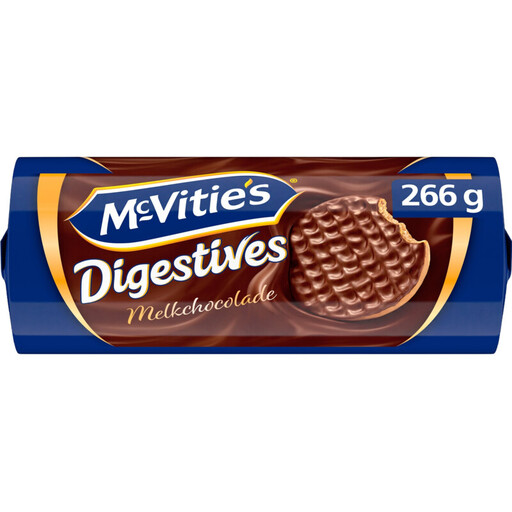 Image unavailable
For a digestive base with a hint of milk chocolate. According to Albert Heijn, this variety contains 30% milk chocolate; the pack contains 266 g. If you need to avoid certain ingredients, check the label on this product.
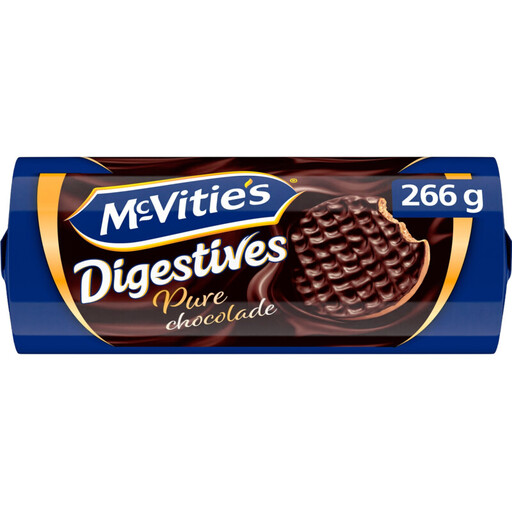 Image unavailable
For a digestive base with dark rather than milk chocolate. Jumbo states that this variety contains 30% dark chocolate; the pack contains 266 g. Check the ingredients and allergens on the pack you buy.
 Image unavailable
For a digestive base without a chocolate layer, when you want the filling to provide the main flavour. This is the 400 g Original variety, not a chocolate digestive. Use the quantity specified in your recipe and check the label if you need to avoid allergens.
Finely crush the biscuits, mix the crumbs with melted butter and press the mixture firmly into the tin. Dr. Oetker uses 250 g of digestives and 125 g of unsalted butter for a 9-inch springform tin; if you’re using a different tin or recipe, follow the quantities given for it.
Choose plain digestives when you want the filling to provide the main flavour, and a chocolate variety when you want the base to add a chocolate flavour of its own. For chocolate digestives, compare the exact variety, including the type of chocolate, ingredients and allergens.
No. The standard varieties reviewed here list wheat or ingredients containing gluten. Jumbo also sells a separate gluten-free milk chocolate digestive that lists milk, oats and soya, and may contain nuts. Check the label on your chosen biscuits and all the other ingredients in your recipe.
Store the biscuits according to the instructions on the pack and seal it well once opened. Leave a pressed base to set as directed in your recipe.