
Vandaag of morgen in huis

Kwaliteit gegarandeerd

Welkomstaanbiedingen ontgrendelen: GRATIS bezorging | Tot 80% korting | Gratis 30 dagen JoyPlus-proefperiode
Download de app
As a parent, you want to make the best choices for your little one, and that starts with something as simple as a pacifier. The Difrax range is extensive, and it can be challenging to determine which pacifier is the right fit. What size, shape, or model suits the age and needs of your baby or toddler?
We're here to help. As a Joybuy Product Recommendation Officer, I'm happy to guide you. This article provides a clear overview of Difrax pacifiers, so you can make an informed choice that's perfect for your child.
Before we dive into our recommendations, here are a few practical points to keep in mind. These will help you narrow down the options.
Your child's age is the most important starting point. Difrax divides its pacifiers into clear age categories to align with jaw growth and sucking strength.
Always check the packaging for the recommended age. Using the wrong size can be less comfortable for your child.
Difrax primarily offers two different shapes, each with its own purpose.
The choice between them is personal and depends on your little one's preference.
Besides size and shape, a few other features can make a difference.
Based on product specifications and popular choices, we've highlighted three different Difrax pacifiers that provide a good overview of the range.
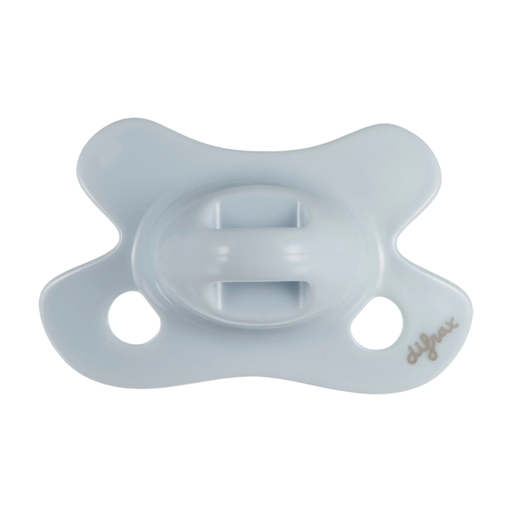
Why It Stands Out This pacifier is specifically designed for the littlest ones. Its small, lightweight design is ideal for newborns and even premature babies. The symmetrical shape is usually accepted quickly.
Benefits
Who Is It For? For parents of newborns (0-6 months) and premature babies who are looking for a first, lightweight, and easily accepted pacifier.
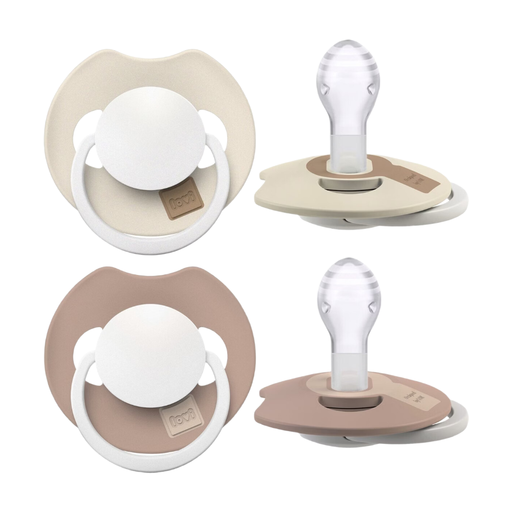
Why It Stands Out The combination of the dynamic LOVI teat and the glow-in-the-dark feature makes this a highly practical choice for toddlers. No more searching in the dark. The design is tailored to the jaw development of children from 18 months onwards.
Benefits
Who Is It For? For parents of toddlers (18 months and older) who are looking for a pacifier that supports oral development and is easy to find at night.
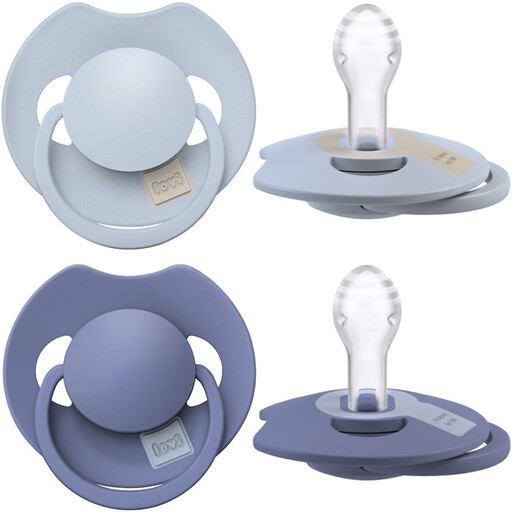
Why It Stands Out This is an excellent all-rounder for babies in the 6 to 18-month growth phase. It combines the benefits of the dynamic LOVI teat with a size that is perfect for this age, when sucking strength increases and the first teeth emerge.
Benefits
Who Is It For? For babies between 6 and 18 months. A great next step after the newborn pacifier, especially if you prefer an orthodontic model.
Every child is unique and has their own preferences. If one of these three isn't quite the right fit for your little one, or if you're looking for a different design or size, no problem. Many more variations are available.
Check out our full range of pacifiers to discover all models, colours, and sizes from Difrax and other brands.
1. How often should I replace a Difrax pacifier? For optimal hygiene and safety, it is recommended to replace a pacifier every six weeks. Check the pacifier daily for tears or damage by giving the teat a firm pull. Replace it immediately at the first sign of wear.
2. What is the difference between a Difrax Natural and a LOVI pacifier? The Difrax Natural is a fully symmetrical pacifier. It has an oval, flat shape and is never upside down in the mouth. The Difrax LOVI is a dynamic, orthodontic pacifier. The teat is designed to stretch and contract with the baby's sucking rhythm, which the manufacturer claims supports natural development.
3. Are Difrax pacifiers safe for teeth? Difrax designs its pacifiers with oral development in mind. The orthodontic pacifier (the LOVI model) in particular is specifically shaped to distribute pressure on the jaw and teeth. However, it is always wise to phase out pacifier use as your child gets older, in consultation with a dentist or healthcare provider.
