
Vandaag of morgen in huis

Kwaliteit gegarandeerd

Welkomstaanbiedingen ontgrendelen: GRATIS bezorging | Tot 80% korting | Gratis 30 dagen JoyPlus-proefperiode
Download de app
Finding the right pacifier for your little one can be a daunting task. You want to make a safe choice that supports their natural sucking reflex without hindering dental or speech development. For parents who are breastfeeding, the question of which pacifier is most compatible is an especially common concern.
This article is designed to be a practical guide. We will highlight the features of Difrax pacifiers and provide concrete guidance to help you make a suitable choice for your child, based on their age and needs.
Before making a choice, it's wise to consider a few key features. These specifications will help you determine which model is the most appropriate.
A pacifier must match the age and mouth size of your child. A pacifier that is too large can be uncomfortable, while one that is too small will not function correctly. Difrax uses clear age categories, such as pacifier 0-6 months for the youngest babies and pacifier 18+ months for toddlers. It is important to follow these guidelines and replace the pacifier as soon as your child reaches the next age stage.
The shape of the teat is crucial. Difrax offers various shapes, each with its own function:
Many Difrax pacifiers, like those in the LOVI line, feature a dynamic teat that moves with the baby's natural sucking rhythm.
Safety is paramount. A good pacifier is made from safe materials and has a thoughtful design. Pay attention to the following points:
Based on product specifications and popular choices among parents, we have highlighted several models that meet different needs.
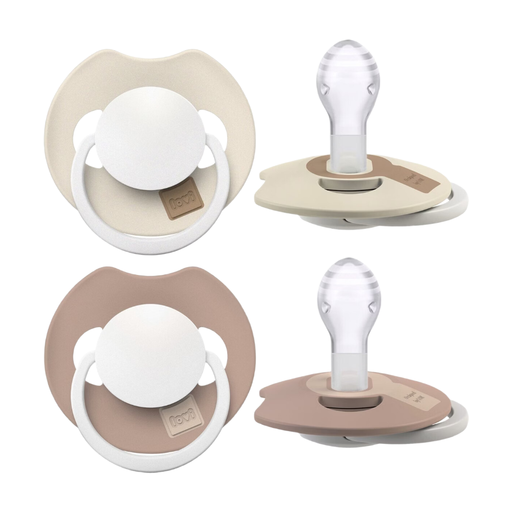
Why It Stands Out The glow-in-the-dark pacifier is a lifesaver for nighttime searches. The knob glows in the dark, allowing both you and your child to find the pacifier quickly without turning on the main light. The dynamic, orthodontic teat is specially tailored to the jaw development of toddlers.
Advantages
Who Is It For? For parents of toddlers aged 18 months and older who are looking for a sturdy, orthodontically sound pacifier that won't get lost at night.
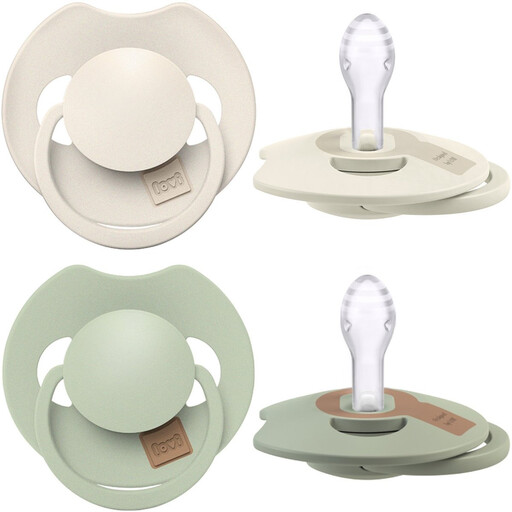
Why It Stands Out This model is specifically designed for the youngest babies (0-6 months). The symmetrical pacifier mimics the shape of the mother's breast, which, according to the manufacturer, ensures a high acceptance rate and facilitates combination with breastfeeding. The shield is extra light and soft, which minimises strain on the mouth.
Advantages
Who Is It For? For expectant parents or parents of a newborn (0-6 months), especially if breastfeeding is planned or combined with a pacifier.
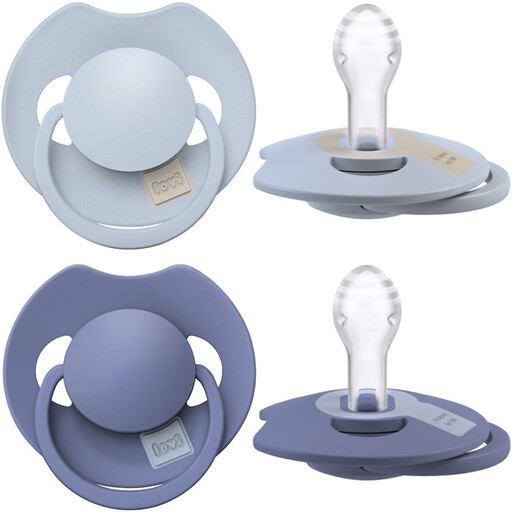
Why It Stands Out This pacifier is a reliable choice for the stage when babies become more active and start exploring the world (6-18 months). The dynamic teat moves with the sucking rhythm, which protects the natural sucking reflex. The design strikes a good balance between comfort and support for a growing mouth.
Advantages
Who Is It For? For parents with a baby aged 6 to 18 months who are looking for a durable and orthodontically sound pacifier for daily use.
A good pacifier is one thing, but hygiene is just as important. Especially when you're on the go, you want to store the pacifier cleanly and safely to keep bacteria at bay. A clean storage solution is therefore essential.
Check out our range of handy silicone containers that are perfect for storing pacifiers and small snacks.
For optimal hygiene and safety, it is recommended to replace a pacifier every 4 to 6 weeks. Additionally, check the pacifier for damage, such as cracks or bite marks, before each use by pulling firmly on the teat. Discard the pacifier immediately at the first signs of wear and tear.
Difrax designs its pacifiers with healthy development in mind. An orthodontic pacifier is specifically shaped to support the natural growth of the jaw, palate, and teeth. The design aims to minimise pressure on the teeth.
Models with a symmetrical pacifier, such as the Difrax LOVI, are often recommended in combination with breastfeeding. According to the manufacturer, the symmetrical, dynamic shape mimics the nipple, which can reduce the risk of nipple confusion and supports the natural sucking technique.
