
Vandaag of morgen in huis

Kwaliteit gegarandeerd

Welkomstaanbiedingen ontgrendelen: GRATIS bezorging | Tot 80% korting | Gratis 30 dagen JoyPlus-proefperiode
Download de app
As an expectant or new parent, you want the best for your child, but the search for the perfect pacifier can be overwhelming. The shelves are filled with options, and every package promises peace and comfort. Yet, the wrong choice often leads to frustration: a pacifier that's constantly spat out, skin irritation, or unnecessary expenses. Before you buy a pacifier, it's wise to know what to look for. We'll discuss the most common pitfalls and provide practical guidance for your decision.
Many parents make the same mistakes when purchasing a pacifier. By recognising them, you can save yourself and your baby discomfort.
To find the right Difrax pacifier, it's helpful to evaluate three key aspects. These specifications determine the safety, comfort, and acceptance by your child.
The size of a pacifier is tailored to the size of your baby's mouth and jaw. Difrax uses clear age categories, such as newborn pacifier (0-6 months), 6-18 months pacifier, and 18+ months. It's important to adhere to this classification. A pacifier for a newborn is smaller and lighter, which facilitates acceptance and puts less strain on the jaw.
The shape of the teat influences acceptance and oral development.
Safety and comfort are paramount. Always choose a BPA-free pacifier made from 100% silicone. This material is odourless, tasteless, and easy to clean. Also, pay attention to the shield. A butterfly-shaped shield leaves the nose free, which doesn't obstruct breathing. Air holes in the shield provide extra circulation, significantly reducing the risk of skin irritation from saliva.
Based on these criteria, we have selected several Difrax pacifiers that suit different needs and age stages.
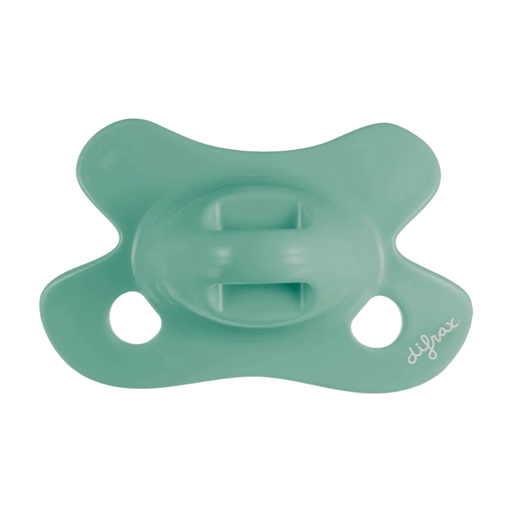
Why This Fits Their Persona: Specially designed for the very youngest. The size and weight are tailored for newborns and premature babies, which increases acceptance and places minimal strain on the jaw.
Addresses the 'wrong size' and 'skin irritation' pitfalls. The butterfly shape keeps the nose clear, and the air holes ensure optimal ventilation.
The symmetrical pacifier is quickly recognised and accepted. Made from BPA-free material.
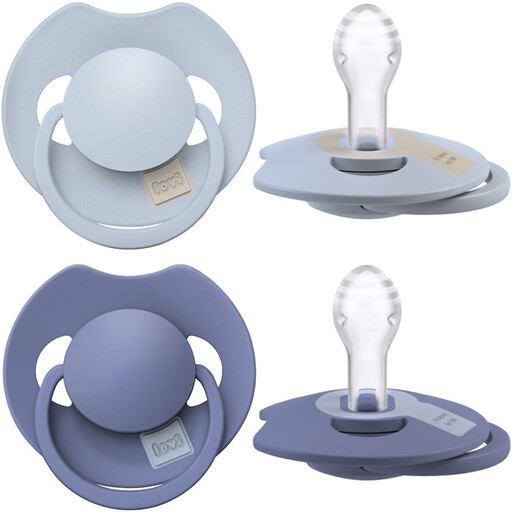
Why This Fits Their Persona: Ideal for babies in an active developmental phase. The dynamic design is intended to support the natural sucking reflex, which can be beneficial when combining with breastfeeding.
Avoids the 'wrong shape' pitfall. According to Difrax, the pacifier moves with the natural sucking rhythm, which increases acceptance and reportedly does not affect speech and dental development.
Dynamic teat made of silicone layers. The lightweight, skin-friendly shield minimises contact with the skin.
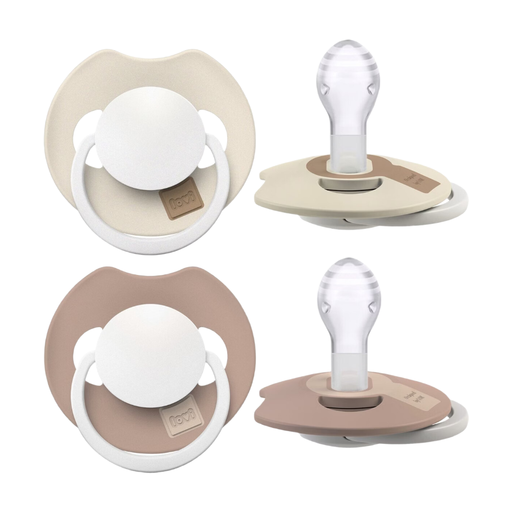
Why This Fits Their Persona: A practical solution for parents of toddlers who lose their pacifier at night. The glow-in-the-dark knob makes the pacifier easy to find in the dark, improving everyone's night's sleep.
Solves a common practical problem without compromising on core qualities. The pacifier still features an orthodontically sound shape and a safe, skin-friendly shield.
The glow-in-the-dark feature is its main selling point. It comes as a duo-pack, including a convenient sterilising case.
We have compiled a complete, up-to-date list of products that fully meet these strict selection criteria and local safety regulations.
For both hygiene and safety, it is recommended to replace a pacifier every six weeks. Inspect the pacifier daily before use. Pull firmly on the teat to check for any tears, cracks, or other damage. Discard the pacifier immediately at the first sign of wear.
The Difrax Natural has a symmetrical, round/oval teat. This shape is often easily accepted because it has no top or bottom and resembles the shape of a nipple. The Dental (or orthodontic pacifier) has a flat side that rests on the tongue and a rounded side that fits against the palate. This shape is designed to support the development of the jaw and palate. The choice depends on your baby's preference.
Before first use, and regularly thereafter, it is important to sterilise the pacifier. You can do this by placing it in a pan of boiling water for 5 minutes. Some Difrax pacifiers come with a sterilising case that can be used in the microwave. For daily cleaning, wash the pacifier with mild soap and warm water. After cleaning, squeeze out any water that may be trapped inside the teat.
