
Vandaag of morgen in huis

Kwaliteit gegarandeerd

Welkomstaanbiedingen ontgrendelen: GRATIS bezorging | Tot 80% korting | Gratis 30 dagen JoyPlus-proefperiode
Download de app
If you exercise regularly, do fitness training, or simply want to boost your intake of extra protein and nutrients, you’ll quickly come across dozens of types of dietary supplements. From protein powder and creatine powder to pre-workout, collagen supplements and vitamin C supplements – the differences aren’t just about flavour and price.
A flashy packet doesn’t tell you much about whether a product is right for you. So always check the ingredients, recommended dosage and allergens before you order. Below, you’ll find out how to compare sports supplements and which popular choices suit different situations.
Don’t just look at the number of grams. A 1 kg tub could contain a smaller portion of protein than a 750 g pack – or it could be the other way round. So compare:
With collagen, the difference can be significant. Vital Proteins Collagen Peptides Natural contains 284 g and 14 servings of 20 g. Lucovitaal Collagen Powder contains 54.6 g and 21 servings of 2.6 g. So the gram weight alone doesn’t tell you how much you’ll use each day.
A pre-workout with a long list of ingredients might look appealing, but you should mainly check the dosage of the ingredients that matter to you. With a product that contains caffeine, pay attention to the amount per serving and any other sources of caffeine you’re having that day.
A caffeine-free formula can be more practical for evening workouts. According to the product information, Applied Nutrition ABE Pump Pre Workout Stim Free contains citrulline malate, beta-alanine, creatine and taurine, with no added caffeine. That makes the formula clearer for anyone who wants to avoid stimulants.
A dietary supplement doesn’t replace a balanced diet or a healthy lifestyle. Claims about vitamins, minerals and proteins are only permitted in the EU under certain conditions. According to the manufacturer’s product information, protein can contribute to the growth and maintenance of muscle mass, provided the legal conditions for the claim are met.
Statements about collagen, skin, recovery or “fast absorption” should be read as the brand’s product information, not as a personal guarantee. According to Vital Proteins’ own information, the Natural product is made from bovine collagen peptides and contains 20 g of collagen per recommended serving. That’s something you can check on the ingredients list, but it doesn’t tell you how each individual will experience the product.
With protein powder, the protein content per scoop matters more than the total tub size. Optimum Nutrition Gold Standard Whey Strawberry states 24 g of protein per 30 g serving. The Gold Standard Isolate Vanilla states 25 g of protein per approximately 31 g serving.
With creatine, the amount of creatine monohydrate per day is what counts. Lucovitaal Pure Creatine Monohydrate recommends 3,000 mg per day and, according to the product information, is 100% creatine monohydrate. BSN DNA Creatine contains 3.5 g per serving and provides 63 servings from a 216 g pack. With blended pre-workouts, check how much creatine is actually in each full serving.
Whey protein comes from milk. Some products also contain soya as an emulsifier. Also check for warnings such as “may contain milk” or possible traces of gluten, egg, nuts and fish.
For vegan supplements, ingredient lists are especially important. Lucovitaal Pure Creatine Monohydrate and Body & Fit L-Arginine Powder are described as vegan according to the product information. Marine collagen is not vegan and contains fish. Vital Proteins Marine Collagen lists fish as an allergen and, according to the information, may also contain milk.
A supplement only works in practice if it fits your routine. Pay attention to:
With caffeinated pre-workouts, timing is especially important. Cellucor C4 Original states 150 mg of caffeine per serving and recommends use before training. According to the product information, it is not intended for people under 18, pregnant women or women who are breastfeeding. Always follow the label on your specific flavour and pack.
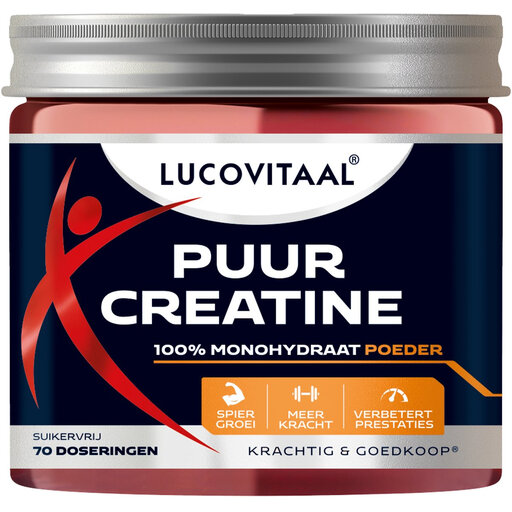
Why this fits: A straightforward choice for adults who want to add creatine to their training routine without flavourings or a blended formula.
The ingredients list states 100% creatine monohydrate. So you can clearly see what you’re paying for.
210 g, vegan according to the product information and sugar-free.

Why this fits: Suitable for active adults who regularly want extra protein after training or between meals.
The serving information states 25 g of protein per approximately 31 g of powder. So you can assess the protein percentage straight away.
930 g, 31 servings, vanilla flavour and less than 1 g of sugar per serving according to the product information.
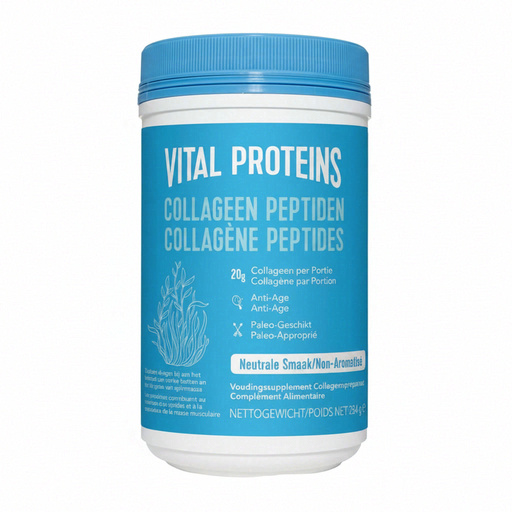
Why this fits: For adults who want a neutral collagen powder to mix into coffee, smoothies, shakes or meals.
The pack lists one main ingredient: bovine collagen peptides. The serving is 20 g, so the dosage isn’t hidden in a blend.
18 g of protein per serving, unsweetened and gluten-free according to the product data. Please note: it may contain milk.
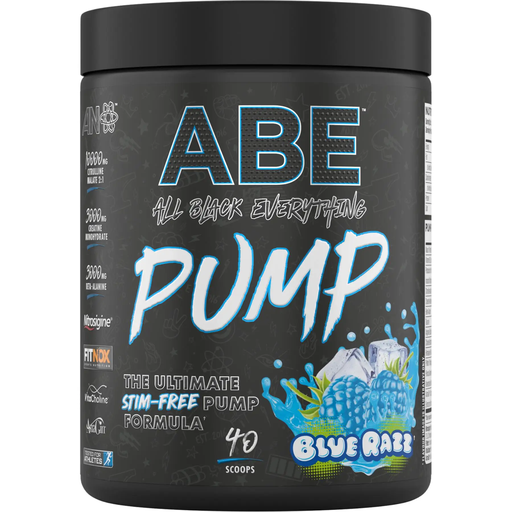
Why this fits: An option for adults looking for a caffeine-free pre-workout, for example for training later in the day.
The formula is described as caffeine-free. So you don’t have to guess based on the flavour name or packaging alone.
Vegan according to the product information; the maximum daily amount of 25 g contains 3 g of creatine.
We’ve put together a current selection of dietary supplement powders with clear product information, dosages and usage details.
Protein powder or whey protein can be a practical way to top up your daily protein intake. Look at the number of grams of protein per serving and check for milk and soya allergens. Creatine monohydrate is another popular category for strength athletes. Follow the recommended dosage on the label and combine supplements with a good diet and training.
Check the “best before” date on the pack. Seal an opened tub tightly and store the powder in a cool, dry place away from moisture and direct sunlight. Use a dry scoop and watch out for any changes in smell, colour or texture. The exact storage time varies from product to product.
Not always. A supplement can be handy when you want to take targeted extra protein, creatine or a particular vitamin, but it doesn’t replace a varied diet. If you’re taking medication, pregnant, breastfeeding or have a medical condition, it’s wise to consult a doctor or pharmacist first.
